




News
From Period Tracking to Fertility: What Makes Women Use Health Apps


In the last decade, women’s health technology has come a long way. It began as rudimentary period and ovulation trackers, evolving into a highly developed fertility-focused platform with all sorts of services — cycle predictions to conception assistance.
Then what is causing this growth, and more importantly, what is it that makes women actually use these apps? In this article, I will analyze the key factors that influence the adoption and sustained engagement with women’s health platforms, drawing on experience from healthcare software development services to highlight best practices. Features to include in the application are drawn from usage statistics, user interviews, industry reports, app feature analysis, and so on. Core focus areas include:
- Evolution of femtech from period trackers to fertility tools
- Key drivers and needs spurring femtech adoption
- Factors influencing continued and increased usage
- Role of accuracy, privacy, access to experts, etc., in user retention
- How consumer needs are shifting from tracking to planning, prediction and intervention
- Market outlook, opportunities and challenges ahead
The Femtech Growth Trajectory
Femtech grew at a phenomenal rate from $250M in 2015 to around $39.29 billion in 2024. Women’s health technology has been going mainstream since the launch of the popular fertility app Glow in 2013, unicorn startups like Modern Fertility raising more than $160 million in funding, and everything in between.
But how did we get here? Let’s do a quick retrospective first.
The Beginnings – Period Tracking
For most female health apps on the market today, the journey began with period tracking. When Glow first debuted nearly a decade ago, it tapped into an unmet need for women to easily record and analyze their menstrual cycles using their smartphones.
Soon, similar apps such as Clue, Flo, Eve and so on started catching on, allowing women to log not only periods but also moods, symptoms, sexual activity and so on. However, the aggregation of this rich longitudinal data provided groundbreaking views of individual cycles and patterns, underscoring the importance of thoughtful healthtech UX in making that data both accessible and actionable.
It was obvious why – Flo had over 15 million downloads by 2016, and Clue had gotten almost 5 million users. The success of tracking-based apps was the beginning of the shape of women’s health tech that was yet to come.
Pregnancy Planning and Ovulation Tracking
Period trackers showed women their cycles, but the next steps were still left to be determined. The obvious next step was to develop these apps into forward-thinking planning tools designed to achieve things like preventing pregnancy or maximizing the chances of conception.
Since Ovia is a modern fertility app that not just gives a forecast of when you will be ovulating, period, but also provides personalized advice and analysis for effective family planning or getting pregnant faster. This allows users to log basal body temperature, cervical fluid consistency, intercourse details and more for more accuracy.
Many trackers now integrate with wearables and connected devices for passive data collection rather than relying solely on manual logging. They leverage predictive analytics and machine learning on the aggregate data to refine predictions and insights further.
The Market Expands – Fertility, Menopause and More
From ovulation and conception tools, femtech startups have diversified into adjacent women’s health segments:
- Fertility testing: Modern Fertility, EverlyWell, Natalist
- Menopause support: Genneve, Elektra Health
- Pelvic and sexual health: Minna Life, Elvie
- Pregnancy care: Peanut, Expectful
- General women’s wellness: Tia, Willow
Instead of just tracking cycles, these companies provide proactive health screenings, community support, telehealth access, and personalized care plans around issues like family planning, sexual wellness, pregnancy, menopause, and so on.
While some apps have retained an informational focus, newer entrants promise a combination of community support, telehealth access and even prescription delivery at home. The scope spans reproductive health, pregnancy, menopause and overall wellness.
So what exactly is propelling this femtech boom and persuading women to use these health apps? Let’s analyze some key drivers and consumer needs.
What’s Driving Femtech Adoption Among Women
The runaway success of femtech apps points to some clear unmet needs among women that this technology is serving. What core user requirements are these platforms addressing?
Need for Personalized Insights
Every woman’s cycle and reproductive health needs are unique. While medical guidelines exist, they provide blanket recommendations instead of tailored insights. Femtech apps fill this gap.
Personalized predictions and analysis come about through sophisticated algorithms that crunch individual tracking data against crowdsourced benchmarks. It allows women to decode their own patterns and preferences rather than depend on made-up assumptions.
The Desire to Be Proactive
Traditionally, women had to be reactive on reproductive health issues, whether by means of social taboos or medical norms. Using fertility apps enables them to take charge.
Instead of passively waiting for periods, pregnancies or menopause to happen unexpectedly, femtech apps allow women to foresee them and prepare mentally as well as physically.
Modern Fertility found that most of their users joined to understand their fertility proactively instead of waiting until they started trying or faced issues. The ability to drive their own health trajectories draws women to these platforms.
Need for Community Support
Reproductive experiences like pregnancy and menopause can feel emotionally isolating. Women often have nowhere to openly discuss concerns and challenges.
For instance, femtech apps that have community forums, such as Peanut and Gennev, offer solidarity and support from other women who are going through the same experience. A report by L.E.K. Consulting highlights that unmet needs in women’s health often include emotional support, particularly during pregnancy, postpartum, and reproductive health journeys. The apps turn out to serve a dual purpose — tracking health data and also serving as mental health assistance when required.
Convenience and Accessibility
Perhaps the most straightforward driver is that femtech apps offer low effort and high convenience. Instead of scheduling doctors’ visits, waiting for tests or taking time off work, essential health data, advice and interventions are available 24/7 on women’s phones.
Easy connectivity with wearables for automated data collection also minimizes the logging needed. Their usage often increases in tandem with the level of effortless tracking enabled.
The convenience quotient goes a notch higher with the ability to order testing kits, get prescriptions, and access experts online from home, apart from just monitoring cycles. Managing health is really lower than ever.
What keeps people engaged with these apps long term, once the appeal to women is made?
Factors Driving Sustained Usage of Femtech Apps
Though downloads are easy to attain, not all users are actively using health apps. Building trust is a key to retaining users. What exactly is it that makes women users keep coming back to femtech platforms from week to week?
Accuracy of Tracking and Predictions
“Garbage in, garbage out” applies strongly to data-driven femtech apps. Erroneous period or fertility forecasts will frustrate women instead of helping them. Builders have to continually refine accuracy by sourcing more data points and improving algorithms.
Apps explicitly show prediction precision to retain user trust. Flo displays monthly accuracy scores for period tracking. Proven test results and doctor reviews also reinforce reliability for fertility testing apps.
User feedback is open on the best platforms, which then use it to amend cycle analysis anomalies. To sustain usage, you have to show progress in precision through transparency.
Relevance of Recommendations
True generic wellness advice doesn’t pull you towards engaging. Femtech apps have to give specific suggestions for each woman’s reproductive profile and health objectives.
Period trackers can push appropriately timed exercise regimens, nutrition plans, self-care prompts, etc., based on where users are in their cycle. Apps also educate women on high fertility days, early pregnancy precautions, menopause management, and more based on phase-specific needs.
Personalization requires synthesizing their tracked data, stated goals and contextual information like age, weight, health conditions, etc. Actionable and relevant recommendations specific to the user keep women checking back in.
Holistic Support Across Needs
Across life stages, women’s needs change from contraception to conception aid to menopause support. This aligns with this changing requirement, which encourages prolonged usage instead of single-purpose apps.
For instance, Tia started as a period/ovulation tracker but now also offers gynecological care, sexual health, pregnancy support, postpartum care and menopause services. Ovia’s suite of apps covers different stages like pregnancy, parenting and fertility.
Femtech apps positioned as long-term partners in women’s health win more loyalty compared to point solutions.
Access to Health Experts
While period and ovulation trackers are a great foundation for data, women usually need professional help to understand the implications.
Direct access to gynecologists, reproductive endocrinologists, pelvic floor therapists, mental health professionals, etc., through chat/call features builds credibility for femtech apps. It also fosters emotional reassurance when dealing with sensitive concerns.
Modern Fertility provides free 30-minute consults with fertility nurses to users. Others, like Minna Life and Genneve, enable in-app physician appointments. The convenience of expert medical advice, without appointments or clinic visits, keeps women returning.
Sense of Security and Privacy
In particular, privacy and data security are key to user comfort when dealing with intimate information such as cycles, sexual activity, contraception, pregnancy, etc.
Even the most useful apps risk being abandoned if they are hacked, data is leaked, or shared with concerns. Reassuring users proactively and explaining safety precautions in place results in more peace of mind.
Femtech apps include encryption methods, access controls and transparency on how data is used, and even include the ability to delete past entries irretrievably. Maintaining people’s sensitive medical history securely earns their ongoing reliance.
The Path Ahead for Femtech
Although women’s health technology has achieved widespread success, its use cases and market potential remain largely unexplored. However, some pertinent opportunities and challenges exist ahead.
Evolution from Tracking to Treatment
The end goal for femtech cannot be just monitoring and predicting reproductive health. True value addition will require helping women intervene in and improve their outcomes proactively.
This is the path forward: Modern Fertility’s entrance into personalized fertility treatment plans based on assessments. Apps will go beyond tracking to include prescription drugs, hormonal therapies delivered at home, at-home insemination tools, remote menopause counseling, and many more.
Preventive and corrective health will be the next frontier.
Overcoming Drop-Offs
The biggest threat to femtech’s future is abandonment after initial interest. Period-tracking app users stop engaging after three months at a rate of 72 percent. Principal drop-off drivers include privacy concerns, burden overhead, poor predictions, no actionability, and no support when vulnerable.
For the extended life, this will drive continued usage and therefore require ongoing value through better data integrations, personalized engagement features, and access to care. Alignment of early attrition risks and correcting them will be vital.
Operationalizing Robust Research
Femtech apps have access to very rich fertility health data at scale from millions of women around the world. The data capital contained in this has the potential to accelerate new reproductive research and insights faster than ever.
However, we must systematically operationalize the research potential, utilizing in-house experts and forming partnerships with university labs, hospitals, and biopharma companies. Here, data security and commercialization opportunities are both needed.
Responsible forging of robust medical research partnerships will open the doors to biomarkers of disease and early interventions, and much more.
Aligning with Evolving Market Needs
Women’s health needs are diverse and ever-evolving. The femtech market has expanded across subcategories like pregnancy tech, menopause tech and more. Continued fragmentation is imminent as startups spot newer micro opportunities.
But if they confuse users, this also runs the risk of confusing users. Consequently, apps must be specialized and simultaneously integrated across categories in accordance with what the user wants. Even while expanding the scope, the fundamental promise to women must be fulfilled.
Conclusion
Overall, femtech has been adopted because it addresses women’s need for personalized and proactive health insights. Retention is proving critical as convenience, community and access to care during vulnerable times.
However, data no longer needs to be overly passively tracked. We need a future, and enabling interventions by intelligent predictions, prescriptions, and expert guidance is necessary. Another bucket of potential will be unlocked by data security and partnerships.
As femtech builders expand their scope, they must remain in alignment with the core requirements of accuracy, convenience, and access to care for women. The promise of data-driven women’s health is only going to be delivered against these pillars.
The beginning of transforming medical outcomes by putting control directly in women’s hands. It is an exciting time for the consumers and creators of femtech solutions.


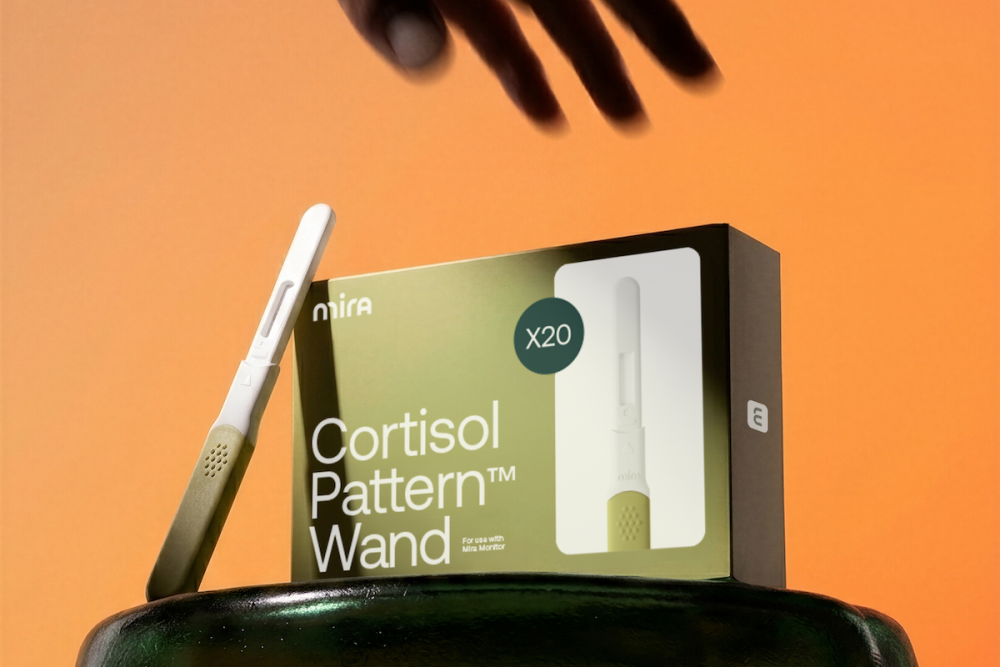
Mira has launched an at-home cortisol tracking kit that allows women to monitor stress-related patterns over time using urine samples.
The Cortisol Pattern Kit measures urinary free cortisol directly from a urine sample and displays results through the company’s existing monitor and app.
The system is intended for repeated testing rather than a single measurement, allowing users to compare results with a personal baseline built from their own data.
Mira said consistent daily testing can establish a baseline in about a week. It recommends testing in the morning and evening to see how cortisol patterns change throughout the day.
Cortisol is involved in the body’s stress response but is not a direct or complete measure of stress. The company said the kit is intended for general wellness use and is not designed to diagnose stress, an endocrine condition or any other medical condition.
The Cortisol Pattern Wands use the same lateral-flow testing format as Mira’s existing hormone tests. Users dip a wand into a urine sample, insert it into the Mira Monitor and view the result in the app within minutes.
The company said cortisol data can be viewed alongside cycle, hormone and daily routine information.
Sylvia Kang, founder and chief executive of Mira, said: “The Cortisol Pattern™ Kit gives women a new way to understand their stress patterns over time, in the context of their own biology.”
She added: “We built Mira to give women answers they had spent far too long searching for, beginning with the TTC journey and expanding into hormone and cycle tracking across life stages, including perimenopause. Now, we’re taking Mira beyond reproductive health and into everyday wellness, bringing personalised stress-pattern tracking directly into women’s homes.”
Mira said more than 350,000 women already use its platform to track their cycle and hormones.
Waitlist sign-ups for the Cortisol Pattern Kit and Cortisol Pattern Wands opened on 22 September, with wand refills available to pre-order in 20- and 30-count options.
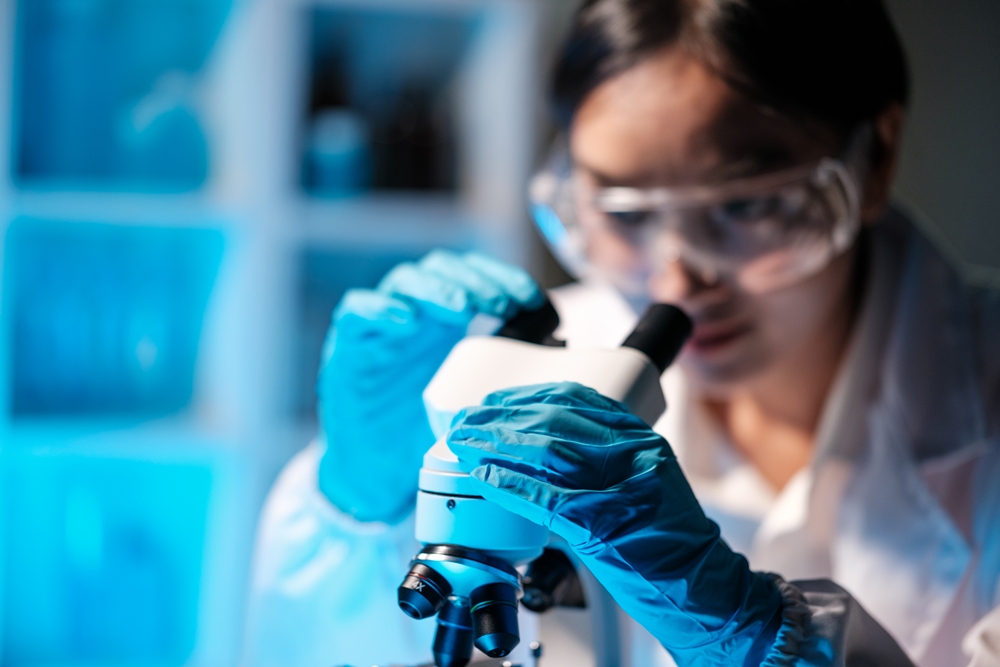
A targeted nanotherapy reduced endometriosis lesions and pain sensitivity after a single dose in mice, early research has found.
The experimental treatment uses a nanoparticle to deliver an existing drug to immune cells associated with endometriosis.
Researchers hope the approach could eventually lead to a treatment for people with the chronic condition, but it has not yet been tested in humans.

Kanako Hayashi, professor in Washington State University’s School of Molecular Biosciences in the College of Veterinary Medicine and a corresponding author of the research, said: “We found the disease-specific immune cell, and then we had a drug, but we couldn’t target the cell with the drug alone.
“So we used this nanocarrier that delivers the drug specifically to the disease site.”
The Washington State University team developed the therapy after previously identifying a distinct population of macrophages associated with endometriosis. Macrophages are white blood cells involved in immune defence.
They designed a nanocarrier, a specialised molecule used to transport drugs to the disease site, to target these cells without affecting surrounding cells and tissue.
The treatment uses niclosamide, a drug approved to treat intestinal tapeworms that is also being studied for other potential uses, including cancer treatment.
Previous research by the team found that niclosamide could reduce endometriosis lesions. However, the drug has low solubility, meaning large amounts are needed for it to work and limiting how long it can safely be taken.
The researchers engineered a nano-sized molecule called a dendrimer to bond with niclosamide and deliver it in a more soluble form.
In a mouse model, a single injection reduced the size and number of endometriosis lesions as well as sensitivity to pain.
Endometriosis affects roughly 190 million women worldwide and occurs when lesions similar to tissue inside the uterus grow outside it.
Symptoms can include chronic pain, severe cramps, pain during sex and infertility. Hormonal therapies can help manage symptoms but may affect fertility and bone density, while surgery can remove lesions but its effectiveness may be short-term.
Recent research has focused on immune system dysfunction in endometriosis, particularly problems involving macrophages.
The researchers are working with the WSU Office of Entrepreneurship and Innovation as they pursue patenting and commercialisation opportunities and seek support to test the technology in human trials.
Hayashi said: “Although we still need to clear multiple phases, this study is telling us the efficacy is strong, and this nanocarrier is stable, so far, for two weeks—and we think we can go longer.
“The idea is that if it’s stable for a month, you could go to the doctor once a month, get the shot, either IV or muscle injection, and then go home.”

Chest Heart & Stroke Scotland has launched a three-year Women’s Health Plan setting out actions to improve prevention, diagnosis, treatment and support for women in Scotland.
The 2026 to 2029 plan includes commitments on health information, prevention and early detection, professional training, peer support, post-diagnosis care, policy and research.
It comes amid disparities affecting women with chest, heart and stroke conditions, including differences in diagnosis, testing and treatment.
Figures cited by the charity show women in Scotland are 50 per cent more likely than men to receive an initial misdiagnosis after a heart attack.
Jane-Claire Judson, chief executive of Chest Heart & Stroke Scotland, said: “Women have been telling us for years that their symptoms aren’t being taken seriously, and the evidence backs them up.
“When we talk about women’s health, we need to look beyond reproductive and maternal health alone.
“Women experience inequalities across a wide range of conditions, including chest, heart, stroke and Long Covid conditions, and they deserve equitable access to the information, support and care they need.
“Our CHSS Women’s Health Plan is about listening to those experiences and turning them into meaningful action.”
Across the UK, women are twice as likely to be misdiagnosed with heart failure, with many waiting an average of 20 weeks for a diagnosis, compared with 3.6 weeks for men.
There are more than 4,600 incidences of stroke in women in Scotland each year, with more than 1,200 dying as a result.
Asthma and chronic obstructive pulmonary disease (COPD) are also more common among women, while women are nearly twice as likely as men to die from asthma.
Women are less likely to be offered diagnostic testing within 72 hours of a heart attack and less likely to be prescribed medication that reduces the risk of a second heart attack, according to the charity.
CHSS also said conditions that predominantly affect women, including Long Covid and heart conditions such as coronary microvascular dysfunction, remain under-researched and under-diagnosed.
Four in five women say they are not listened to by healthcare professionals, while UK female life expectancy has fallen from 20th to 26th place among 38 OECD countries in recent years.
The Women’s Health Plan includes developing women-specific health information and launching a prevention and early detection programme through CHSS’s Health Defence and Community Healthcare Support Service.
Other commitments include raising the visibility of women’s health, strengthening training for healthcare professionals, CHSS colleagues and volunteers, expanding peer support and post-diagnosis care, and campaigning for changes to policy, funding and women’s inclusion in research.
The charity also plans to drive continuous improvement in its women’s health work, shaped by lived experience.
CHSS said it will seek to address inequalities through prevention programmes, professional education, policy influence and improved support for women across Scotland.
The plan builds on CHSS’s women’s health work launched in 2021 and its wider No Life Half Lived strategy. It also aligns with phases one and two of the Scottish Government’s Women’s Health Plan.
More than 140 responses to a national survey helped shape the plan, alongside consultation with health and social care professionals and people with lived experience through CHSS’s Voices of Experience Panel.
Judson said: “By improving awareness, supporting earlier detection and diagnosis, and ensuring women are heard when they seek help, we can begin to address inequalities that have persisted for far too long.
“Our first plan, launched in 2021, established important foundations.
“This next phase builds on that progress and reflects our commitment to a Scotland, where nobody is left behind because of their sex or gender.
“At Chest Heart & Stroke Scotland, our No Life Half Lived mission means working towards a future where everyone can live well with their condition. By bringing together women with lived experience, health professionals, policymakers and partners, we can create lasting change and help build a fairer, healthier Scotland for women.”






 Menopause1 week ago
Menopause may not explain rising heart condition in women – study

 Fertility2 weeks ago
Paracetamol use may impact future fertility, studies suggest

 Insight1 week ago
Women with birth trauma face 2.5x higher healthcare costs – study

 Menopause2 weeks ago
Cancer drug could tackle osteoporosis menopause weight gain

 News1 week ago
Medical cannabis may improve endometriosis symptoms – study

 Cancer1 week ago
Study could explain why obesity is a breast cancer risk factor

 Menopause2 weeks ago
Menopause hormone therapy may improve cardiovascular health outcomes, study suggests
 AI1 week ago
Evvy secures US$40m for AI-powered vaginal microbiome testing