




Insight
Music and Sedation — a Synergic Approach to Alleviate Pain


Music’s profound influence on our emotional and physiological well-being since ancient times is undeniable. Not only does it foster social cohesion and emotional expression, but also serves as a powerful tool for relaxation and recreation.
In this article, we aim to explore the various ways in which music therapy can alleviate pain and promote overall well-being. By synthesizing existing research and evidence-based practices, we hope to shed light on the efficacy of music therapy as a complementary treatment modality.
How Our Brain Reacts to Music
Music therapy is a structured approach to utilizing music’s physiological, psychological, and emotional effects as part of treatment for individuals coping with illness or trauma. Our brain reacts to musical rhythm, melody, and beats in several ways. Various studies have been conducted to try and understand how the brain responds to music and how these responses could impact the effectiveness of music therapy.
1. Psychological Response
Music has a profound impact on our psychophysiological state. It can evoke memories, stimulate creativity, and alter mood. When we listen to music, our brain processes the auditory information and interprets it in ways that affect our thoughts, perceptions, and behaviors. Music therapy has been shown to have the potential to remedy psychological breakdowns, such as depression, anxiety, and general stress. This is achieved by offering a therapeutic outlet for the expression of one’s emotions as well as introspection.
2. Physiological Response
The human body is a great mystery, and one of its many shockers is how its physiological response to music involves changes in its physical functions, such as heart rate, blood pressure, and even respiratory rate. Researchers have done a great deal of work to understand how music can have a direct impact on these physiological parameters. Some studies have shown that certain types of music elicit specific physiological responses. For instance, fast-paced and rhythmic music has been proven to increase your heart rate and blood pressure. On the other hand, slow and melodic music can induce relaxation and reduce stress levels.
3. Emotional Response
Multiple studies have shown listening to music can result in a marked increase in brain activity in the regions associated with emotion and reward.
Music can induce a strong emotional response in listeners in many ways. Unexpected changes in musical features, such as intensity and tempo, result in enhanced tension and anticipation. Moreover, different musical elements, such as melody, harmony, rhythm, and lyrics, can also evoke a wide range of emotions, including joy, sadness, excitement, and nostalgia.
Our brain processes these emotional cues in music through complex neural pathways, triggering the release of neurotransmitters, such as dopamine, serotonin, and oxytocin. Music therapy utilizes this emotional power to help individuals process and express their emotions in a therapeutic context, leading to emotional healing and personal growth.
How Sedation Achieves Pain Relief
Procedural sedation is a widely used practice across various medical procedures to alleviate pain and discomfort. According to the Center for Disease Control’s data from the National Hospital Discharge Survey, sedation or anesthesia plays a crucial role in facilitating nearly 45 million procedures.
During procedural sedation, individuals remain conscious while the medical procedure is performed. Medical professionals closely monitor the patient’s heart rate and breathing throughout the process to ensure safety. These medical professionals undergo safe sedation training before being authorized to administer sedation. Despite being awake, patients remain relaxed and comfortable during the procedure.
Depresses CNS
Sedatives are prescription medications that reduce brain activity and promote relaxation and calmness. Sedation is commonly administered by qualified medical professionals to alleviate anxiety, discomfort, and pain.
Sedation drugs enhance the activity of a neurotransmitter called gamma-aminobutyric acid (GABA), which is responsible for slowing down brain activity. By increasing GABA’s activity, sedatives amplify its calming effect on the brain, promoting a state of relaxation.
Eases Muscle Tension and Induces Anxiolysis
Sedation eases muscle tension and induces anxiolysis through its effects on the central nervous system (CNS) neurotransmitters, particularly gamma-aminobutyric acid (GABA) and serotonin.
GABA receptors are widely distributed in regions that control muscle tone and tension. By increasing the activity of this neurotransmitter, sedation suppresses the firing of neurons in these areas, leading to muscle relaxation and hence decreasing muscle tension. Sedation also affects serotonin which regulates mood and anxiety.
We also have other neurotransmitter systems, such as noradrenergic and dopaminergic systems, which are implicated in muscle tension and anxiety. Sedation has been shown to have a marked impact on these systems as well. For example, sedation drugs that block the reuptake of norepinephrine or dopamine may further contribute to muscle relaxation and anxiety reduction by altering the balance of neurotransmitters involved in stress responses.
Overall, the combined effects of sedation on GABA, serotonin, and possibly other neurotransmitter systems help to ease muscle tension and induce anxiolysis, providing relief from both physical and psychological symptoms of anxiety and stress.
Modulates the Perception of Pain
Pain, a common symptom of various ailments, is processed and perceived by the brain. Medications that target the brain can modulate pain perception, primarily through two types of drugs: analgesics and anesthetics.
Analgesics alleviate pain without inducing loss of consciousness, while anesthetics depress the central nervous system (CNS).
Analgesics specifically target pain relief without affecting consciousness. On the other hand, central anesthesia involves drugs that depress the CNS, leading to the absence of sensory perception, including consciousness, while vital functions remain intact. This distinction underscores the importance of understanding the mechanisms of action and effects of different medications in managing pain and achieving desired levels of anesthesia.
The Results of Music Therapy & Sedation Combination
In a study published in the Journal of Invasive Cardiology, the impact of music therapy on pharmacologic conscious sedation during invasive coronary angiography (ICA) was evident. Conducted on 72 subjects undergoing elective ICA, the study compared the use of standard sedation with music therapy alongside medication. Results showed similar anxiety levels between groups, but the music group exhibited a trend towards reduced sedative use, particularly midazolam.
This suggests that music therapy may offer a viable alternative or complement to traditional sedation methods during such procedures, potentially reducing the need for sedative medications without compromising patient comfort. On the other hand, combining music therapy with sedation during medical procedures can have a synergistic effect on patient comfort and overall procedural outcomes.
Conclusion
The potential of music therapy as a non-pharmacologic adjunct in managing pain and anxiety during invasive medical procedures like coronary angiography can’t be overstated. By potentially reducing the reliance on pharmacologic conscious sedation, music therapy offers a promising avenue for improving patient experience and outcomes. In addition to music therapy, sedation also plays a significant role in alleviating discomfort, pain, and anxiety.
Overall, the combined use of music therapy and sedation offers a holistic approach to patient care, addressing both the physical and emotional aspects of discomfort and anxiety associated with medical procedures.



Condé Nast will close its women’s health publication Self after 47 years, with unprofitable editions of Glamour and Wired also set to shut.
In a memo published on the magazine giant’s website on Thursday, the media company’s chief executive, Roger Lynch, said: “As audience behaviours shift, we have not seen a path for Self to continue in its current form as a digital publication.”
“Going forward, health and wellness content will be integrated into our other brands, including Allure and Glamour,” Lynch said, referring to Condé Nast’s other beauty and wellness titles.

Self, which moved to an online-only format in 2017, still reaches more than 20m people each month.
The publication has also earned significant recognition over the years, including a National Magazine award and a Webby’s People’s Voice award.
The closure is part of a wider set of operational changes across the company. Lynch also announced the end of Wired’s Italy edition, noting that while the brand “remains a strong global brand, the Italian edition has not kept pace with growth in our other markets”.
Condé Nast will also wind down Glamour’s publishing operations in Germany, Spain and Mexico.
Lynch said: “Taken together, Wired in Italy, Self and the affected Glamour markets represent a little over 1 per cent of our overall revenue.
“They also remain unprofitable, and continuing to operate them in their current form limits our ability to invest in the ideas and areas that will drive future growth.”
Beyond editorial changes, the company is also restructuring internally to adapt to technological shifts.
Lynch said Condé Nast would make “changes within our technology organisation, reflecting the rapid advancement of AI and its impact on our ability to innovate and build products faster”, adding: “Teams will be restructured to be more agile and to work more closely with our brands and customers, reducing barriers to execution.”
The latest moves follow a series of transformations at Condé Nast in recent years.
Glamour ended its print edition in 2018, followed by Allure moving to a digital-only format in 2022.
In 2024, music publication Pitchfork was folded into GQ, the company’s men’s style magazine.
More recently, last November, Vogue, one of Condé Nast’s key revenue drivers, announced it would absorb Teen Vogue to create a more “unified reader experience across titles”.
The media industry has been shrinking steadily over the years.
From 2010 to 2017, the industry lost an average of 7,305 jobs annually, according to data from Challenger, Gray & Christmas published in December 2025.
Since 2018, the average number of job cuts in the industry has risen to 14,298 a year.
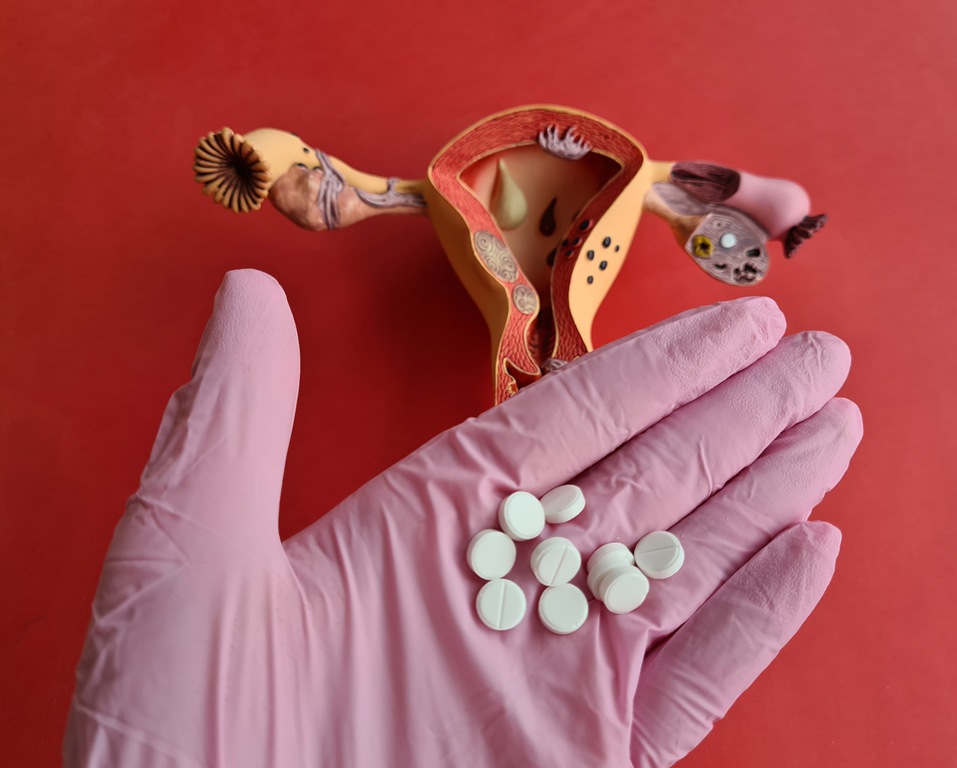
GSK said its ovarian cancer drug shrank or cleared tumours in more than 60 per cent of patients in an early trial as CCO Luke Miels pushes faster development.
The company said that in an early-stage trial, Mocertatug Rezetecan, known as Mo-Rez, shrank or eliminated tumours in 62 per cent of patients with ovarian cancer after chemotherapy had failed, and in 67 per cent of those with endometrial cancer.
Hesham Abdullah, GSK’s global head of cancer research and development, said: “Treatment of gynaecological cancers remains a major challenge, with a pressing need for new therapies that offer improved response rates.
“With Mo-Rez we now have compelling evidence of a promising clinical profile.”
GSK acquired the Mo-Rez treatment, an antibody-drug conjugate, from China’s Hansoh Pharma in late 2023 and has trialled it in 224 patients around the world, including the UK, over the past year.
Only a few patients needed to stop treatment because of side effects, the most common being nausea.
It is given every three weeks by intravenous infusion, meaning directly into a vein.
Combined with data from a separate intermediate trial in China, the results have given the British drugmaker the confidence to go straight to late-stage trials, with five clinical studies planned globally in the next few months, including on patients in the UK.
Speaking to journalists before the conference, Abdullah described Mo-Rez as a “key asset” in the company’s growing cancer portfolio.
It is expected to be a blockbuster drug, with peak annual sales of more than £2bn, which GSK hopes will help it achieve its 2031 sales target of £40bn.
A few years ago GSK did not have any cancer drugs on the market, but it now has four approved medicines and 13 in clinical development.
Last year, oncology generated nearly £2bn in sales, up 43 per cent from 2024, with sales of its endometrial cancer drug Jemperli rising 89 per cent.

Self-employment is linked to lower rates of high blood pressure, obesity, diabetes, poor health and binge drinking in Hispanic women, research suggests.
The findings, published in the peer-reviewed journal Ethnicity & Disease, suggest work structure may be related to cardiovascular disease risk among this group.

Dr Kimberly Narain is assistant professor of medicine in the division of general internal medicine and health services research at the David Geffen School of Medicine at UCLA, senior author of the study, and director of health services and health optimisation research for the Iris Cantor-UCLA Women’s Health Center.
She said: “Hispanic women experience a disproportionate burden of heart disease compared to non-Hispanic women. This is the first study to link the structure of work with risks for heart disease among this group of women.”
The researchers examined 2003 to 2022 data from the Behavioral Risk Factor Surveillance System to assess the association between self-employment, cardiovascular disease risk factors and health outcomes for Hispanic women.
The data included 165,600 Hispanic working women. Of those, about 21,000, or 13 per cent, were self-employed rather than working for wages or a salary.
Overall, the researchers found that self-employed women were less likely to report cardiovascular-disease-associated health problems.
They were also about 11 per cent more likely to report exercising compared with their non-self-employed counterparts.
Specifically, they found that self-employed Hispanic women had a 1.7 percentage point lower chance of reporting diabetes, roughly a 23 per cent decline.
They also had a 3.3 percentage point lower chance of reporting hypertension, roughly a 17 per cent decline.
The study also found a 5.9 percentage point lower chance of reporting obesity, roughly a 15 per cent decline.
It found a 2.0 percentage point lower chance of reporting binge drinking, roughly a 2 per cent decline.
It also found a 2.5 percentage point lower chance of reporting poor or fair overall health, roughly a 13 per cent decline.
The relationship between heart disease risks and the structure of work among Hispanic women was not driven by access to healthcare or differences in income, Narain said.
In fact, the decrease in high blood pressure linked to self-employment was nearly as large as the decrease in high blood pressure linked to being in the highest income group.
The study has some limitations.
The researchers relied on self-reported outcomes, which might be less reliable among ethnic and racial minorities and those from a lower socioeconomic background.
In addition, the researchers’ definition of poor mental health does not entirely match the accepted definition in the fifth edition of the Diagnostic and Statistical Manual of Mental Disorders.
They also did not have data allowing them to examine the specific types of occupations held by the women.
The study design also cannot prove any causal relationship between self-employment and cardiovascular disease risk, which is a subject the researchers will explore.
“The next step in the research is to conduct studies that are able to better assess if the structure of work is a cause of higher heart disease risks among Hispanic women.”
Narain said this.
Study co-authors are Lisette Collins, who led the research, and Dr Frederick Ferguson of UCLA.
Grants from the Iris Cantor-UCLA Women’s Health Center-Leichtman-Levine-TEM program and the UCLA National Clinician Scholars Program supported the research.











 Events3 weeks ago
Three sessions that show exactly where women’s health is heading in 2026

 Entrepreneur1 day ago
Future Fertility raises Series A financing to scale AI tools redefining fertility care worldwide

 Pregnancy3 weeks ago
How NIPT has evolved and what AI NIPT means in 2026

 Menopause4 weeks ago
Watchdog bans five ads for women’s heath claims

 News3 weeks ago
Two weeks left to make your mark in women’s cardiovascular health

 Opinion4 weeks ago
Q1 momentum: Female founders are advancing, but the system still hasn’t caught up

 News4 weeks ago
Endometriosis firm wins NIH prize

 Menopause1 week ago
More research needed to understand link between brain fog and menopause, expert says