




Ageing
Women, ethnic minorities and people from deprived areas less likely to receive life-saving heart valve treatment – study

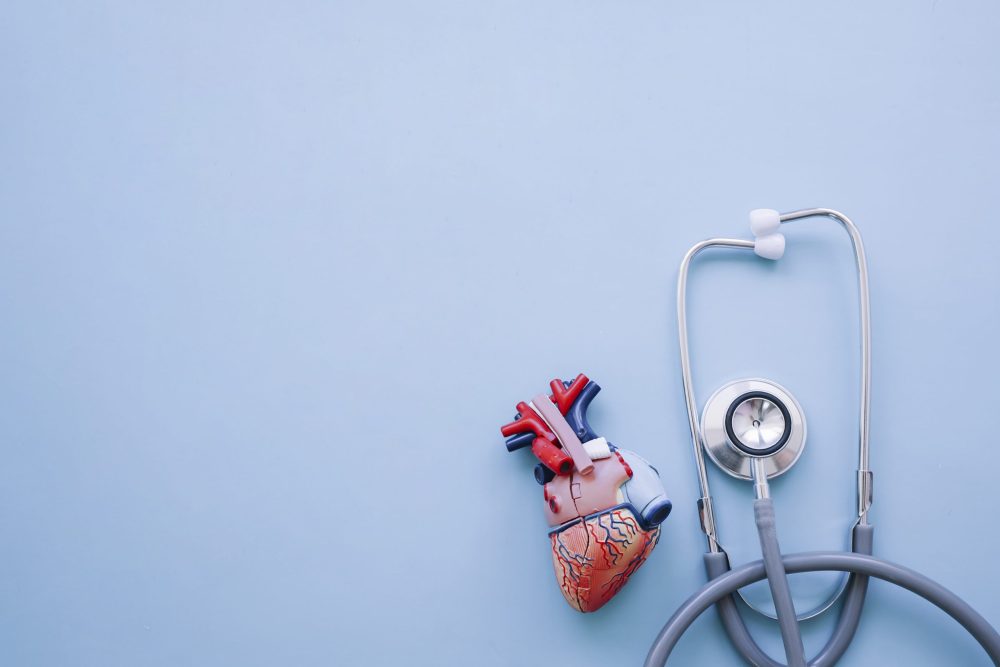
Women, people from ethnic minority backgrounds and those living in the most deprived communities are less likely to receive treatment after a diagnosis of aortic stenosis—a potentially fatal heart valve disease—according to new research.
The research highlights serious disparities in care for aortic stenosis, a common and potentially deadly condition if left untreated.
The study, led by researchers at the University of Leicester, analysed anonymised GP records for nearly 155,000 people diagnosed with aortic stenosis between 2000 and 2022, using data from practices across England.

The team found that women were 11 per cent less likely than men to be referred to secondary care—such as a hospital specialist—after diagnosis.
Women were also 39 per cent less likely to undergo a procedure to replace their aortic valve.
Aortic stenosis is the most common type of heart valve disease in the UK.
It develops when the aortic valve becomes thickened and stiff, restricting blood flow out of the heart.
Treatment typically involves replacing the valve through surgery or a less invasive keyhole procedure.
While some people won’t experience symptoms, prompt treatment is vital once symptoms begin.
Without it, around 50 per cent of people with severe symptomatic aortic stenosis will die within two years.
Dr Anvesha Singh is associate professor at the University of Leicester and consultant cardiologist.
Singh said: “Previous studies have shown lower rates of valve replacement in women, and clinicians had assumed that women were less likely to be diagnosed with aortic stenosis.
“This analysis, using large-scale real-world data, clearly shows that this is not the case. It gives us the clearest picture yet of what is happening in day-to-day clinical practice.
“Our study highlights potential inequities in the management and care of this common and serious condition. More research is needed to understand the reasons behind these disparities and the true prevalence of aortic stenosis across different groups.”
The analysis also revealed further disparities linked to deprivation and ethnicity.
Patients living in the most deprived areas were seven per cent less likely to be referred to secondary care and four per cent less likely to undergo valve replacement, compared with those in the least deprived areas.
South Asian and Black patients were also significantly less likely than White patients to have a valve replacement—27 per cent and 48 per cent less likely, respectively.
While they were more likely to be referred to secondary care, researchers noted this could reflect referrals for other heart issues not directly related to aortic stenosis.
Dr Sonya Babu-Narayan is clinical director at the British Heart Foundation and consultant cardiologist.
She said: “This study of more than 150,000 GP records has uncovered disparities in access to aortic valve treatment for women, South Asian and Black people, and people living in more deprived communities.
“We don’t yet have the full picture, but these findings are concerning.
“We need more research to understand what is driving the differences seen.
“That will be crucial to enable action to address any underlying causes stopping people from accessing the heart valve treatment and care they need, when they need it.”










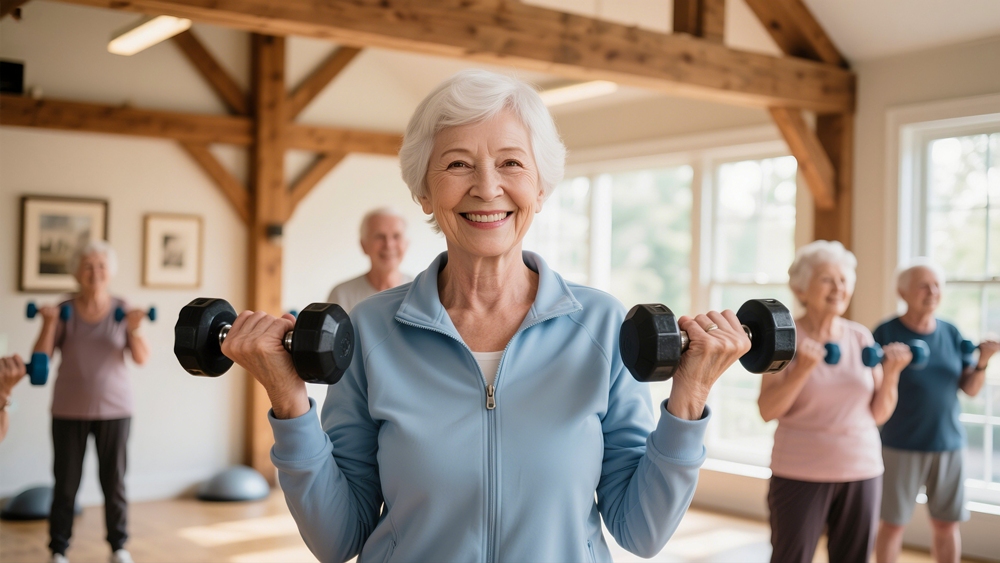
Weightlifting can improve memory and mental health in older women, whether they lift heavier or lighter weights, a clinical trial has found.
The study suggests structured exercise could offer a non-drug way to help protect the ageing mind.
As people age, physical abilities often decline and the risk of cognitive impairment rises.

Women can also face a higher risk of depression and anxiety later in life because of menopause, hormonal changes and shifting social factors.
Over time, poor mental health can speed up physical and cognitive decline.
Medical professionals often recommend cardiovascular and resistance training to help preserve physical independence.
Beyond building muscle and strength, lifting weights may also help protect the brain.
The research team recruited 120 women with an average age of 68 who were not taking part in any structured exercise programmes.
Before the intervention, independent cardiologists screened the volunteers using diagnostic stress tests to make sure they could take part safely.
The researchers then divided the women into three equal groups based on their baseline physical strength to ensure a balanced comparison.
The first group followed a resistance training programme using heavier weights for eight to 12 repetitions.
The second performed the same exercises using slightly lighter weights for 10 to 15 repetitions. The third acted as a control group and remained sedentary throughout the trial.
For three months, the active groups visited the university fitness facility three mornings a week.
Under the direct supervision of qualified fitness experts, participants completed three sets of eight different full-body exercises. These included weight machines and free weights, with movements such as chest presses, leg extensions, seated rows and bicep curls.
As the women grew stronger over the 12 weeks, supervisors progressively increased the weight they lifted.
This ensured participants stayed within their assigned repetition range while maintaining proper breathing and movement technique. Researchers also told all participants not to start any new exercise outside the laboratory setting.
The scientists carried out a broad set of cognitive and psychological tests before the programme began and again shortly after it ended.
They used the Montreal Cognitive Assessment to measure spatial skills, short-term memory and language processing.
The team also used several standardised surveys to track symptoms of geriatric depression and general anxiety.
Other tests assessed executive function, the mental processes involved in planning, focusing attention and multitasking.
In the Trail Making Test, the women had to connect a scattered sequence of numbers and letters as quickly as possible to assess cognitive flexibility.
In another verbal test, they had to name as many words beginning with the letter F, or as many animals as possible, within 60 seconds.
The researchers also used a computerised Stroop test to assess inhibitory control. In this visual test, the women saw words such as “red” or “black” displayed in conflicting ink colours, such as green.
They had to suppress the automatic urge to read the word and instead press a button matching the ink colour.
After the three-month intervention, both groups of weightlifters showed clear improvements in their test scores.
Their performance on the overall cognitive assessment rose, and their reaction times in executive function tests fell substantially.
The control group showed no such improvements, and in some categories their mental performance worsened slightly.
The structured exercise also reduced the severity of mood disorders among the active participants.
Scores for depressive symptoms fell by roughly 34 per cent in the lower repetition group and 24 per cent in the higher repetition group. Anxiety scores fell by more than 40 per cent in both groups.
The researchers said these improvements met the threshold for a clinically meaningful difference.
In practical terms, that means the psychological benefits were large enough for the women to notice in their daily emotional state.
The trial found no major differences in outcomes between the two repetition strategies, suggesting both intensities worked equally well against cognitive decline.
The study has several caveats that may shape future research into the neurological benefits of structured exercise.
The testing relied heavily on self-reported psychological surveys, which can be affected by subjective bias or temporary changes in mood.
The team also did not closely track differences in the women’s light daily physical activity outside the gym.
The researchers also said the social structure of the fitness programme may have contributed to the emotional benefits.
For 12 weeks, the active participants exercised in a shared, supportive environment, with regular contact with peers and supervisors.
This kind of consistent social interaction can help reduce loneliness and provide psychological relief.
Future trials will need to isolate whether different exercise durations or extra social interaction change these positive neural effects.
Even so, the results suggest resistance training could offer an accessible way to help treat mild cognitive and mood problems.
Regular weightlifting may benefit the mind as well as the muscles in older adults.
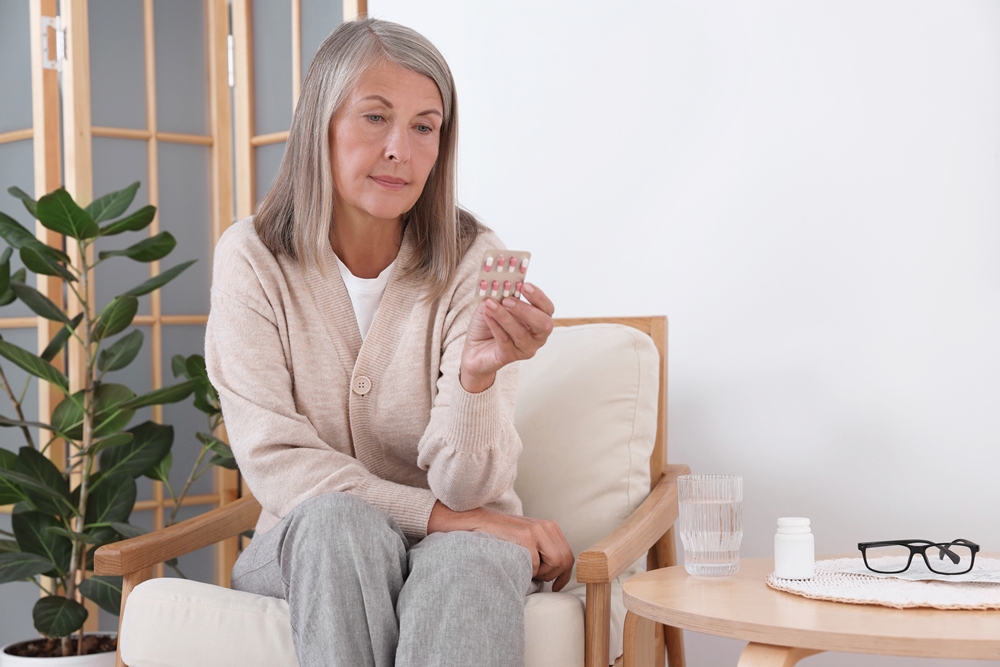
Women with osteoporosis may be more likely to carry a gene linked to Alzheimer’s, according to new research.
Scientists found that APOE4, the most common genetic risk factor for Alzheimer’s, can weaken bone quality in women, even when standard scans appear normal.
The study, carried out by researchers at the Buck Institute for Research on Ageing in California, US, and UC San Francisco, suggests the gene may damage bone at a microscopic level long before any visible signs.

These changes can emerge as early as midlife and remain invisible to routine imaging tests used to assess bone strength.
The findings suggest a link between Alzheimer’s risk and skeletal health and could help pave the way for earlier detection of both conditions.
Professor Birgit Schilling, a senior author of the study, said: “What makes this finding so striking is that bone quality is being compromised at a molecular level that a standard bone scan simply will not catch.
“APOE4 is quietly disrupting the very cells responsible for keeping bone strong – and it is doing this specifically in females, which mirrors what we see with Alzheimer’s disease risk.”
Doctors have long observed that people with Alzheimer’s suffer higher rates of bone fractures, while osteoporosis in women is known to be one of the earliest predictors of the disease.
Now scientists believe they may have uncovered why.
Researchers led by Dr Charles Schurman carried out a detailed analysis of proteins in aged mouse bone and found that tissue was unusually rich in molecules linked to neurological disease, including those associated with Alzheimer’s.
In particular, long-lived bone cells known as osteocytes showed elevated levels of APOE, with levels twice as high in older female mice compared with younger or male animals.
Further experiments using genetically modified mice revealed that APOE4 had a strong and sex-specific impact on both bone and brain tissue.
The disruption at the protein level was even greater in bone than in the brain.
However, the bone structure itself appeared completely normal under scans.
Instead, the gene interfered with a key maintenance process inside bone cells, preventing them from repairing microscopic channels that keep bones strong and resilient.
When this process breaks down, bones become more fragile even if they look healthy on standard imaging.
These results suggest bone cells could potentially act as early biological warning signs of cognitive decline in women carrying APOE4.
Professor Lisa Ellerby, another senior author, said: “We think targeting these cells may open a new front in preserving bone quality in this population.”
Experts say the findings highlight the need to view the body as an interconnected system rather than treating diseases in isolation.
Dementia, of which Alzheimer’s is the most common form, remains one of the UK’s biggest health challenges.
Around 900,000 people are currently living with the condition, a figure expected to rise to 1.6 million by 2040.
It is already the leading cause of death, responsible for more than 74,000 deaths each year.

Postmenopausal women with high cardiovascular risk face almost double the hip fracture risk, a new study has found.
Postmenopausal women face a high risk of bone fractures.
Due to declines in oestrogen levels, which can lead to an increased risk of osteoporosis, even a low-impact fall can result in a serious hip, back or wrist injury.
An estimated one in three women over 50 will experience a fracture due to bone loss in their lifetime.
The study found that heart health may affect fracture risk after menopause, with women at a higher risk of cardiovascular disease more likely to experience hip and other major bone fractures.
The association between cardiovascular disease risk and fractures was also stronger in women under 65, compared with women aged 65 and older.
In the study, published in The Lancet Regional Health – Americas, researchers used the American Heart Association’s recently developed PREVENT score to estimate a patient’s 10-year risk of cardiovascular disease. Women in the study were grouped as low, borderline, intermediate or high risk.
The strongest link was seen with hip fractures. Women in the high cardiovascular risk group had a 93 per cent higher risk of hip fracture than women in the low-risk group.
Women in the intermediate-risk group had a 33 per cent higher risk.
Higher cardiovascular risk was also linked to a greater risk of fractures in weakened bones in major areas such as the hip, spine, forearm or shoulder.
The findings could indicate that the PREVENT score, developed by the AHA in 2024, may be a valuable tool in identifying patients who could benefit from a bone density screening or referral to a bone health specialist.
Given the prevalence of both conditions and the economic burden they impose, reducing risk for both could improve the lives of older adults.
“While previous studies have suggested a link between cardiovascular disease and fracture risk, we were surprised by the magnitude associated with hip fracture risk,” said lead author Rafeka Hossain, a researcher with the Tulane University School of Medicine. “
Both of these conditions are prevalent and costly, and reducing risk for both could improve the lives of older adults.”
The study included data from more than 21,000 women in the Women’s Health Initiative, one of the largest national women’s health studies.
The findings add to growing evidence that heart health and bone health are closely connected.
Researchers say several biological processes may help explain the link, including chronic inflammation, oxidative stress, changes in calcium regulation and reduced blood flow to bone caused by atherosclerosis.
Hormonal changes after menopause, especially declining oestrogen levels, may also raise the risk of both heart disease and bone loss at the same time.
“Many of the same factors that protect your heart, regular physical activity, a balanced diet rich in calcium and vitamin D, not smoking and managing conditions like diabetes and high blood pressure, also help protect your bones,” Hossain said.
“If you’ve been told you have intermediate or high cardiovascular risk, particularly if you are a postmenopausal woman, it may be worthwhile to talk to your doctor about bone health screening, given the many effective treatments available that reduce fracture risk.”
The study found that women in the high-risk group tended to experience fractures sooner than women in the low-risk group.
For hip fractures, the median time to fracture was 15 years in the high-risk group versus nearly 20 years in the low-risk group.
The researchers caution that more work is needed before cardiovascular risk scores are added to standard fracture screening tools.
But they say the findings suggest that women with intermediate or high cardiovascular risk may want to talk with their doctors about bone health, especially after menopause.
“Taking care of your heart and bones should go hand in hand,” Hossain said.











 Menopause1 week ago
Perimenopause misinformation ‘putting women at risk’

 Opinion4 weeks ago
What Maternal Mental Health Month reveals about where postpartum support actually breaks down

 News4 weeks ago
NIH Grant terminations disproportionately impact minority scientists, research finds

 Events4 weeks ago
WUKA brings Period-Positive Pool Party to London Aquatics Centre to keep girls swimming through puberty

 Insight3 weeks ago
PCOS renamed after decade-long campaign to end ‘cyst’ misconception

 Events4 weeks ago
WHIS 2026 unveils agenda and first speakers for the leading women’s health summit
 Menopause4 weeks ago
CBT shows promise for menopause insomnia and hot flashes

 Hormonal health2 weeks ago
NHS urged to update website following renaming of PCOS