




Pregnancy
Nutrition that aligns with guidelines during pregnancy may be associated with better infant growth outcomes


Expectant mothers who maintain a diet that meets USDA dietary guidelines during pregnancy may be more likely to have infants with healthy birthweights, steadier growth patterns, and potentially a reduced risk of obesity later in childhood, according to a new study.
The research, involving more than 2,800 mother-child pairs across eight ECHO Cohort Study Sites, suggests that following a healthy prenatal diet in line with the USDA Dietary Guidelines for Americans could have long-term positive effects on infant growth up to 24 months.
This study found that eating a healthy diet during pregnancy was linked with a lower chance of extremely rapid infant growth,” said Assiamira Ferrara of Kaiser Permanente Northern California Division of Research.
Dr. Ferrara noted that rapid growth from birth to 24 months is a strong predictor of obesity later in life.
The study used two dietary measures—the Healthy Eating Index (HEI) and the Empirical Dietary Inflammatory Pattern (EDIP)—to look at maternal eating patterns. The HEI measures overall diet quality. The EDIP score measures how likely a diet is to cause inflammation in the body. Diets with high EDIP scores have been linked to increased levels of inflammation.
Key findings from the research showed that:
- Higher HEI scores, reflecting healthier diets, were associated with a 12 per cent reduced chance of infants being born large for gestational age (LGA), alongside lower rates of rapid growth up to 6six and 24 months.
- Lower EDIP scores, indicating diets with reduced inflammatory potential, were associated with a 24 per cent higher chance of LGA and had mixed effects on growth: slower from birth to six months but faster growth between birth and 12 months. This association was less clear and warrants further study.
“The findings support a role for a balanced prenatal diet that aligns with the USDA Dietary Guidelines in promoting healthy birthweights and balanced growth through early childhood,” said Monique Hedderson of Kaiser Permanente Northern California Division of Research.
“This suggests the need for programmes to help improve pregnant people’s access to healthy food and interventions to support healthy eating during pregnancy.”
Researchers said that the findings represent an opportunity for an early obesity prevention strategy. More research is needed to learn how low-inflammatory diets during pregnancy might benefit foetal and infant growth.




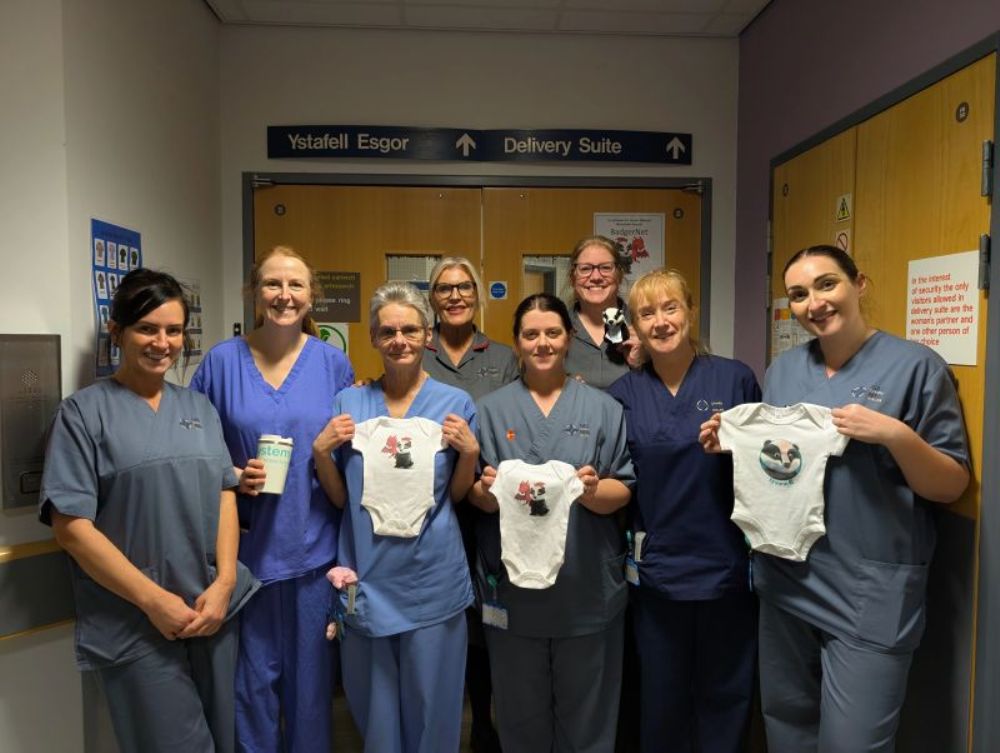
System C has completed the national rollout of BadgerNet Maternity across all seven NHS Health Boards in Wales. This is the first time any UK nation has unified its maternity care under a single digital record and patient-facing app.
With approximately 26,000 babies born annually in Wales, BadgerNet connects maternity information across organisational boundaries in the country.
Expectant parents can access their records, maternity appointments and key updates digitally through a single app, wherever they receive care while clinicians have secure access to the right information at the point of care.
The national three-year agreement across all Heath Boards replaces a patchwork of separate local systems and eliminates the need for paper hand-held notes.
Anthony Tracey is director of digital at Hywel Dda University Health Board, the final of the Welsh Health Boards to go live with BadgerNet.
He said: “The rollout of BadgerNet across Wales is a vitally important step forward in modernising our maternity services and providing a consistent service across the country.
“By giving expectant parents direct access to their information and enabling clinicians to share data more effectively, we are strengthening safety, transparency and consistency in maternity care nationwide.”
For expectant parents, the single digital maternity record transforms how they engage with their care.
Instead of carrying paper notes and repeating information at every appointment, parents can access key details, appointments and updates digitally, supporting more informed conversations and shared decision-making.
The result is greater transparency, fewer administrative frustrations and a more joined-up experience throughout pregnancy and into the postnatal period, regardless of which health board they fall under.
For clinicians and Health Boards, the joined-up approach reduces duplication and streamlines handovers across teams and sites. Information is digitally captured once and made available securely wherever it is needed, helping to minimise errors, reduce time spent tracking down notes and support more efficient multidisciplinary working.
At a national level, linking maternity data across Wales creates a foundation for safer, more consistent care.
Aggregated, standardised information enables earlier identification of trends and variation, supports evidence-based policy decisions and enhances long-term service planning.
With a comprehensive view of maternity activity and outcomes across the country, Wales is now better positioned to raise standards for parents, babies and families.
Guy Lucchi, managing director of healthcare at System C, added: “Delivering a truly national approach across all seven Health Boards is a significant achievement for Wales.
“One shared system means information flows with the patient, not the organisation.
“That reduces duplication, supports earlier identification of risk and frees up valuable clinical time.
“Crucially, linking maternity data at a national level provides powerful insight to drive improvement. Health Boards can benchmark, plan services with greater confidence and ensure resources are targeted where they are needed most, while expectant parents benefit from clearer communication and a more connected experience of care.”













 Hormonal health2 weeks ago
Perimenopause misinformation ‘putting women at risk’

 Hormonal health3 weeks ago
NHS urged to update website following renaming of PCOS

 Insight4 weeks ago
PCOS renamed after decade-long campaign to end ‘cyst’ misconception

 News1 week ago
Women still being failed when they reach menopause, experts say

 Entrepreneur2 weeks ago
Women’s Health Innovation Summit opens submissions for 2026 Innovation Showcase

 Diagnosis4 weeks ago
Artera receives FDA Clearance for breast cancer platform

 News1 week ago
Three menopause innovators shortlisted for Femtech World Award

 Fertility3 weeks ago
AI could transform ovarian care through personalisation, study finds