




News
March of Dimes launches fund to address ‘urgent’ maternal and infant health crisis
The fund seeks to help early-stage companies improve health outcomes in women and babies


A US nonprofit organisation has launched a venture philanthropy initiative to invest in companies working to address pressing maternal and infant health challenges.
The March Of Dimes works to improve maternal and infant health through earlier diagnosis, new treatments for conditions during and after pregnancy and ongoing mental and physical health support.
The new Innovation Fund will help the organisation invest in companies with potential solutions to improve health outcomes and impact the lives of moms and babies.
“With the maternal and infant health crisis at an all-time high in the US, launching the March of Dimes Innovation Fund will allow us to tap into and help guide the creative energy that can be found in startup companies,” said Stacey D. Stewart, president and CEO of March of Dimes.
“By funding companies focused on maternal and infant health, we are aiming to bring new solutions to life and bring about the change needed to positively impact moms’ and babies’ lives.”
The organisation’s support aim to provide the companies with assistance understanding maternal and infant health issues, help extend their market reach, provides access to consumer and professional content and lend credibility for advancing innovations in the sector.
In collaboration with Redesign Health, a health tech company based in New York, March of Dimes explored start-up concepts to identify and invest in a company that supports the ongoing health needs of women with the potential to impact pregnancy-related outcomes.
As a result, Iron Health, a virtual women’s health platform, was named the first health care venture investment for the March of Dimes Innovation Fund.
Stephanie Winans, CEO, Iron Health, said: “We’re on a mission to close the current gaps in women’s healthcare by empowering OB-GYNs with the right resources to extend their latitude of care.
“We are proud to partner with March of Dimes, a trusted champion for improving women’s health and pregnancy outcomes.
“Their partnership and deep focus on research, advocacy and innovation will help us achieve this mission, driving better health outcomes for more patients.”








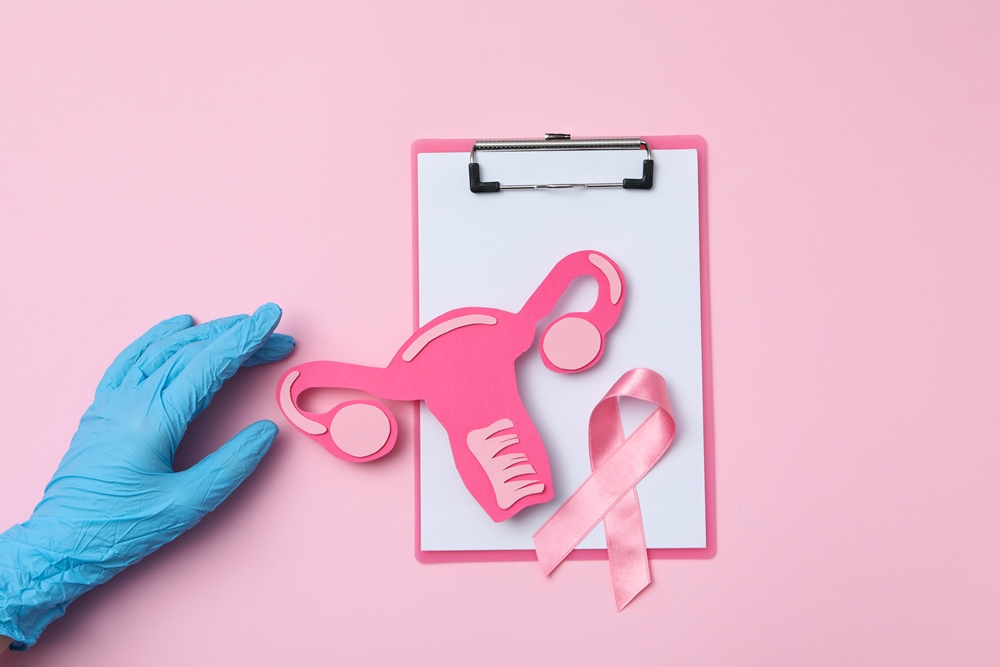
A non-profit has launched an endometriosis documentary featuring Amy Schumer and Marilyn Monroe as it pushes for changes in how the condition is treated and understood.
The Endometriosis Collective has launched to change how endometriosis is researched, treated and understood, starting with a documentary featuring stories from people including Amy Schumer and Marilyn Monroe.
The feature-length documentary, “End of the Cycle”, will premiere in New York on Tuesday, and The Endometriosis Collective is making the film free to stream online.

Schumer, a comedian, writer and actor, has previously spoken of how endometriosis left her “on the floor in pain, vomiting from the pain, the pain that nobody can see.”
Schumer is one of several celebrities featured in the documentary. Other contributors include dancer Julianne Hough, Olympic medallist Brittany Brown and actors Janel Parrish and Folake Olowofoyeku.
The Endometriosis Collective timed the documentary premiere to coincide with the 100th anniversary of Marilyn Monroe’s birth.
Monroe, who died in 1962, starred in films such as “Some Like It Hot” and “Gentlemen Prefer Blondes.”
According to a biography published in 1985, Monroe’s endometriosis was so severe that it destroyed her marriages, her wish for children, her career and ultimately her life.
The Endometriosis Collective said the documentary shares newly uncovered information about Monroe’s experience with endometriosis.
The non-profit said the information connects Monroe’s story to the experiences of women across generations, highlighting how far awareness, research and care still have to go.
A representative of the Marilyn Monroe Estate said: “By sharing this part of her story through ‘End of the Cycle,’ we hope to honour her legacy in a way that brings visibility to endometriosis, encourages more open dialogue and helps inspire the research needed to create change.”
As part of the premiere, The Endometriosis Collective is holding a panel discussion.
Schumer, Brown and Olowofoyeku, the documentary’s co-directors Sammy Jaye and Soraya Simi, and medical experts are due to be part of the premiere.
AbbVie’s Orilissa and Sumitomo Pharma’s Myfembree are among the approved drugs for endometriosis pain.
Hough, one of the participants in the documentary, starred in an Orilissa campaign in 2017.











 Menopause1 week ago
Perimenopause misinformation ‘putting women at risk’

 News4 weeks ago
NIH Grant terminations disproportionately impact minority scientists, research finds

 Adolescent health4 weeks ago
WUKA brings Period-Positive Pool Party to London Aquatics Centre to keep girls swimming through puberty
 Insight3 weeks ago
PCOS renamed after decade-long campaign to end ‘cyst’ misconception

 Events4 weeks ago
WHIS 2026 unveils agenda and first speakers for the leading women’s health summit

 Menopause4 weeks ago
CBT shows promise for menopause insomnia and hot flashes

 Hormonal health2 weeks ago
NHS urged to update website following renaming of PCOS

 News6 days ago
Three menopause innovators shortlisted for Femtech World Award
1 Comment