




To receive the Femtech World newsletter, sign up here.
News
Fertility restoration device proven effective in randomised clinical trial
Medical device could reduce severe and moderate intrauterine adhesions, research suggests

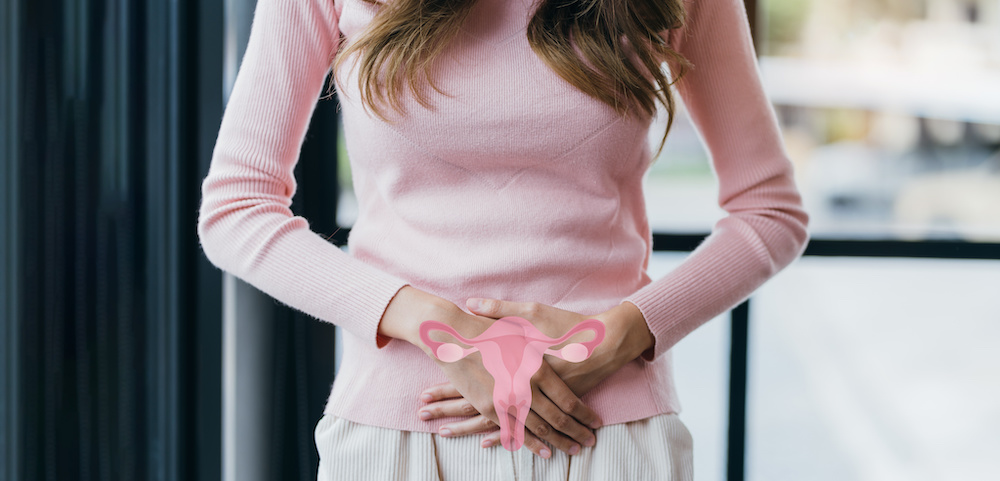
A fertility restoration device that treats and prevents bonding of the uterine walls has been shown to be effective in a randomised clinical trial.
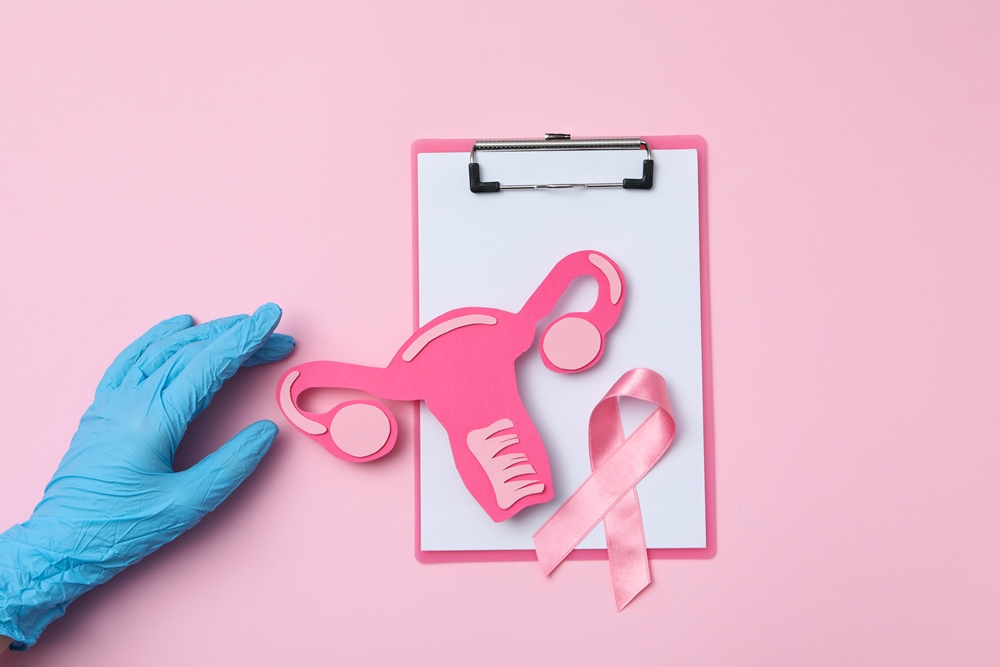
French start-up Womed has announced that the PREG2 clinical trial demonstrated its medical device, Womed Leaf, was effective in the management of severe and moderate intrauterine adhesions (IUAs), the primary mechanical cause for female infertility.
IUAs, also known as Asherman’s syndrome, occur when scar tissue builds up inside your uterus.
They can be caused by poor scarring of the uterus after procedures, such as dilation and curettage or fibroid removal, and can occur in 20 per cent to 45 per cent of those procedures.
IUAs are a significant cause of infertility, recurrent miscarriages and pain. Treatment, called adhesiolysis, consists of surgically cutting the adhesion.
Womed Leaf is the first mechanical barrier to protect against IUA. The device, according to Womed, consists of a soft film, which is inserted like an IUD at the end of the uterine procedure, expands into the entire cavity to prevent the direct contact of the uterine walls against each other for a week and is discharged afterwards.
PREG2, an international, randomised clinical trial of 160 women with severe or moderate IUA, found that participants who received Womed Leaf were 2.4 times more likely to have no adhesion than those in the control group at the six week follow up visit.
“The results of this landmark study, rigorously conducted in several hospitals around the world, are great news for our patients,” said Professor Herve Fernandez, Bicetre University Hospital – APHP, Paris and principal investigator of the study.
“Womed Leaf, which protects the cavity during the healing phase, is breaking new ground and becomes, to the best of our knowledge, the first technology to achieve a proof of efficacy in this highly complex population.”
Gonzague Issenmann, co-founder and CEO of Womed, added: “Womed has achieved an unprecedented feat and we are very proud to be the first team to offer a solution to women with scarred uterus in their exhausting journey to become pregnant.
“Womed Leaf, which is already registered in Europe and Brazil, will be marketed through commercial partners.”








A non-profit has launched an endometriosis documentary featuring Amy Schumer and Marilyn Monroe as it pushes for changes in how the condition is treated and understood.
The Endometriosis Collective has launched to change how endometriosis is researched, treated and understood, starting with a documentary featuring stories from people including Amy Schumer and Marilyn Monroe.
The feature-length documentary, “End of the Cycle”, will premiere in New York on Tuesday, and The Endometriosis Collective is making the film free to stream online.

Schumer, a comedian, writer and actor, has previously spoken of how endometriosis left her “on the floor in pain, vomiting from the pain, the pain that nobody can see.”
Schumer is one of several celebrities featured in the documentary. Other contributors include dancer Julianne Hough, Olympic medallist Brittany Brown and actors Janel Parrish and Folake Olowofoyeku.
The Endometriosis Collective timed the documentary premiere to coincide with the 100th anniversary of Marilyn Monroe’s birth.
Monroe, who died in 1962, starred in films such as “Some Like It Hot” and “Gentlemen Prefer Blondes.”
According to a biography published in 1985, Monroe’s endometriosis was so severe that it destroyed her marriages, her wish for children, her career and ultimately her life.
The Endometriosis Collective said the documentary shares newly uncovered information about Monroe’s experience with endometriosis.
The non-profit said the information connects Monroe’s story to the experiences of women across generations, highlighting how far awareness, research and care still have to go.
A representative of the Marilyn Monroe Estate said: “By sharing this part of her story through ‘End of the Cycle,’ we hope to honour her legacy in a way that brings visibility to endometriosis, encourages more open dialogue and helps inspire the research needed to create change.”
As part of the premiere, The Endometriosis Collective is holding a panel discussion.
Schumer, Brown and Olowofoyeku, the documentary’s co-directors Sammy Jaye and Soraya Simi, and medical experts are due to be part of the premiere.
AbbVie’s Orilissa and Sumitomo Pharma’s Myfembree are among the approved drugs for endometriosis pain.
Hough, one of the participants in the documentary, starred in an Orilissa campaign in 2017.











 Menopause1 week ago
Perimenopause misinformation ‘putting women at risk’
 News4 weeks ago
NIH Grant terminations disproportionately impact minority scientists, research finds

 Wellness4 weeks ago
WUKA brings Period-Positive Pool Party to London Aquatics Centre to keep girls swimming through puberty
 Insight3 weeks ago
PCOS renamed after decade-long campaign to end ‘cyst’ misconception

 Events4 weeks ago
WHIS 2026 unveils agenda and first speakers for the leading women’s health summit
 Menopause4 weeks ago
CBT shows promise for menopause insomnia and hot flashes
 Hormonal health2 weeks ago
NHS urged to update website following renaming of PCOS
 News6 days ago
Three menopause innovators shortlisted for Femtech World Award