




Hormonal health
Interview: New horizons in endometriosis diagnosis

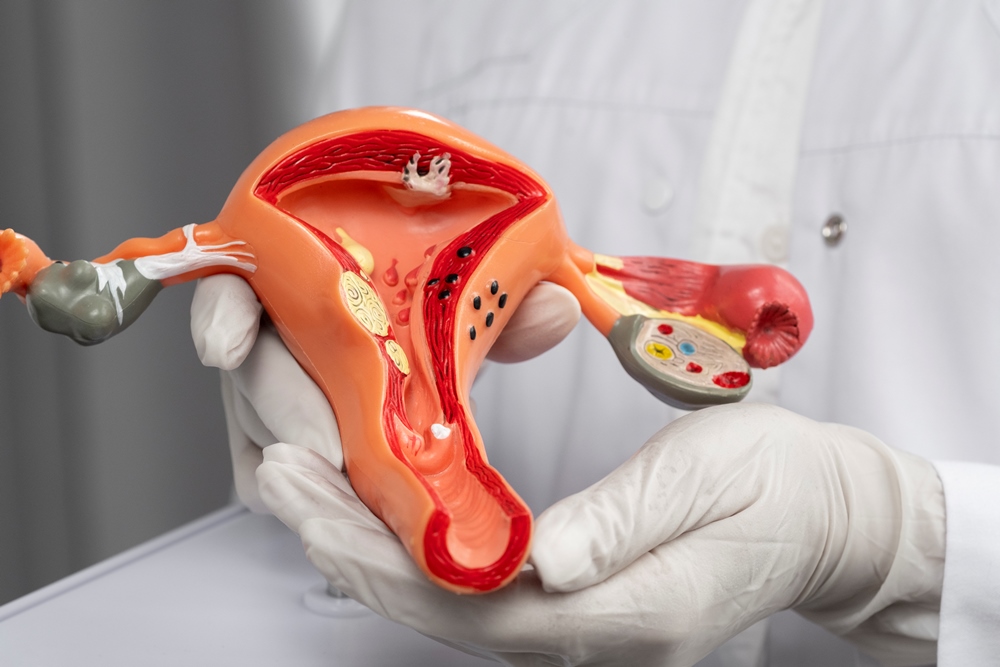
Winner of the Femtech World Menstrual Health Innovation Award 2025, Serac Healthcare, is aiming to revolutionise endometriosis diagnosis via a non-invasive diagnostic molecular imaging agent. Serac Healthcare chief executive, David Hail, speaks to FemTech World about the company’s mission to improve diagnostic timelines for the condition and empower women’s health.
Endometriosis affects more than 176 million women across the globe, causing chronic pelvic pain, painful menstrual cycles, painful intercourse, bloating and fertility issues.
Unfortunately, women are often waiting up to eight years to be diagnosed, often experiencing dismissal over their symptoms.

While scans such as MRI can provide insights into whether or not a person has endometriosis, currently, official diagnosis of the condition is done through an invasive surgical procedure called a laparoscopy, where a camera is inserted into the abdomen.
With no innovation in endometriosis diagnosis or treatment, Serac Healthcare is working to redefine how we diagnose the condition through its innovative non-invasive method.
Serac Healthcare chairman, David Hail, tells Femtech World that Serac’s imaging agent has the potential to revolutionise diagnosis and empower the development of new drugs for the condition.
“We have a real excitement and a real passion about bringing precision medicine – nuclear medicine – to people,” says Hail.
“Nuclear medicine is a way of looking at physiological processes in the body, and is very often used to see active disease in the bodies of patients, which is different to other imaging techniques.”
Serac’s imaging agent – Tc-maraciclatide – which has been granted Fast Track Designation by the FDA, is a radio-labeled tracer that has been designed to bind to new blood vessel formation.
“That’s really important in a lot of inflammatory conditions,” explains Hail.
For instance, with endometriosis, where cells from the endometrium grow outside the uterus, to be able to survive in that environment, they have to grow their own blood supply.
“That’s what we image. So, maraciclatide binds to this new blood vessel formation, which is called angiogenesis, and we can scan somebody, pinpoint that and see it.
“That is also why it works in inflammatory arthritis – rheumatoid arthritis and psoriatic arthritis, which, incidentally, is also a disease predominantly of women. In fact, autoimmune diseases generally are more prevalent in women than men, but for rheumatoid arthritis, 70 per cent of patients with rheumatoid arthritis are women.”
Hail highlights that one in two women who go for fertility treatment have endometriosis, and that these women often discover they have endometriosis when they start fertility treatment.
“At the moment, the only definitive diagnostic test for endometriosis is surgery. We know there’s a several month recovery period from laparoscopic surgery.
“In laparoscopic surgery, the surgeon can see the endometrial tissue and it is also a treatment – they can also take out the tissue, so having a definitive imaging agent that can visualize and diagnose the early stage of endometriosis is incredibly important.
“It can change the whole care pathway for some women today. When there are eight years between a woman seeing a clinician and having a formal diagnosis – apart from the physiological damage – there is psychological damage, because quite often, women are told it’s just in their heads.”
Serac has carried out clinical studies on the imaging agent, with findings from the Phase II study, carried out by a team from Oxford University, demonstrating that it can visualise and diagnose the very earliest stage of endometriosis.
“The very earliest stage of endometriosis is superficial peritoneal endometriosis (SPE) in which there are very small lesions,” explains Hail.
“Visualising this stage is really important because it is the start of the active disease, and therefore, there is the potential to intervene sooner.”
“Apart from the physiological damage and the psychological damage – there is real economic harm to the women involved. This happens at exactly the time when they are arguably at their most productive – in the early stages of their career and relationships. All these things that are negatively impacted by endometriosis.
“Our mission is about being able to bring something to the world that can make an impact on that.”
Beyond early diagnosis of the condition, Hail says that the agent may also contribute to research and the development of new drugs to treat the condition.
“This is also really important for developing new disease modifying drugs – drugs that actually get to the underlying disease, as opposed to masking them,” says Hail.
“We know that the treatments available today are not perfect – such as hormones, an example of which would be the contraceptive pill which mimics pregnancy. We know there are potential side effects from these hormonal therapies, as indeed there are from the ‘pill’.
“There are people trying to develop new disease modifying drugs, but to prove a drug works in endometriosis, you have to choose pain as an endpoint.
“There’s lots of variables that can affect pain and there isn’t a direct understanding of the relationship between the endometriosis itself and pain. The only alternative to prove that your new drug actually works and actually reduces the burden of endometrial lesions is surgery – in fact, two blocks of surgery.
“It is very difficult to run clinical trials around that for all sorts of reasons. So potentially, having this imaging agent is an alternative way to prove that your drug is actually doing what you hope it will do.”
The outline for a Phase III study has now been agreed, and Hail says that the agent being granted fast track designation in the US highlights the FDA’s recognition of the need for innovation in endometriosis care.
“Women’s Health generally, but endometriosis in particular, is an underserved area,” says Hail.
“We think it is so important to bring something to the world that’s going to make a real difference to 50 per cent of the population of the planet – we really need to do something about it, and that’s what we’re trying to do.
“Early diagnosis of endometriosis is important because it allows physicians to provide timely, effective treatment, and the best treatments that are available.”
The Femtech World Menstrual Health Innovation Award 2025 is sponsored by Clue. See all our winners here.












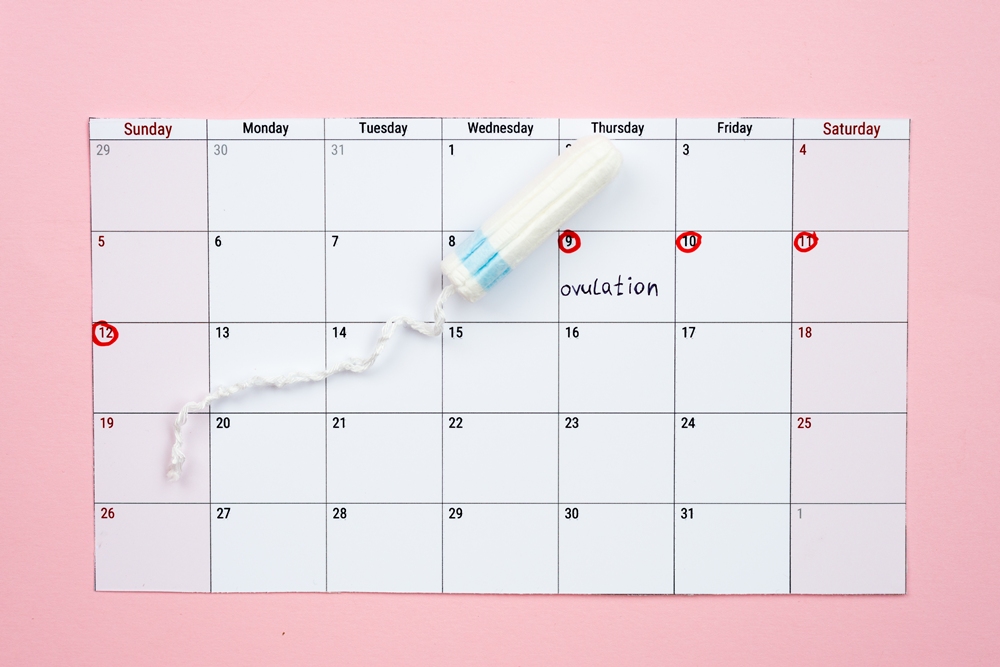
Nearly a quarter of women often miss work because of menstrual symptoms, according to a survey examining hormonal health among women in full-time work in Ireland.
The survey looked at the impact of menstruation, fertility and motherhood, and perimenopause and menopause.
Research from The Menopause Hub found more than one in three women who had not disclosed a menstrual health issue at work said the lack of a clear workplace policy was the reason.

More than a quarter said they did not think their concerns would be taken seriously, while 22 per cent cited embarrassment and 18 per cent feared being judged.
Nearly half of respondents said better workplace support would have made them feel less stressed, while 40 per cent said it would have made them feel more valued. Some 36 per cent said they would have felt more comfortable speaking up.
Some 76 per cent of women surveyed said they experienced menstrual health issues, with 23 per cent of those often missing work because of symptoms.
Nearly half of respondents, 49 per cent, said they felt uncomfortable talking about menstruation at work.
One respondent said: “As a woman, we try to get through the day, sometimes in pain that can’t be seen. We feel emotionally and physically drained.”
The research also found that 62 per cent of those who experienced baby loss reported a moderate or significant impact on work attendance.
More than half of respondents who experienced depression during pregnancy also reported a moderate or significant impact on attendance.
Some 63 per cent of mothers said it was “difficult” to return to work after pregnancy, while nearly half said their maternity pay arrangement had negatively affected their financial wellbeing.
One respondent said: “I almost walked away. The only reason I stayed was because I had to provide for my family.”
The survey also found that nearly half of respondents said menopause had some impact on their attendance, while more than six in 10 reported an impact on their work performance.
Some 44 per cent of women said they were “uncomfortable” discussing perimenopause and menopause at work.
One person said they were “already terrified of losing my job at my age:
“I need to just struggle through this without support or acknowledgement. That’s basically workplace discrimination.”
The Menopause Hub chief executive Loretta Dignam said women’s hormonal health has been treated as a “private or personal issue” for too long, “when the reality is that it has a very real impact on women’s working lives”.
“The fundamental point is that women are not ‘mini men.’
“Our biology is different, and workplaces that were largely designed around a male model of health and working life need to evolve to recognise that.
“What is striking is how many women continue to show up, perform, push through and progress at work while managing significant physical and emotional symptoms, often without the policies, understanding or practical support they need,” Dignam said.
She added that because expectations are changing, Gen Z and Gen Alpha employees will be “far less willing than previous generations to accept workplaces that ignore their health and wellbeing”.

Women using PIEDs reported difficulty accessing reliable information, testing and clinical expertise, according to a qualitative study.
Researchers interviewed nine women who used performance- and image-enhancing drugs, primarily to enhance body composition, physical appearance or sporting performance.
Participants reported problems accessing comprehensive blood and hormone testing and finding clinicians familiar with health concerns linked to women’s use of these drugs.

This has been a male-dominated area of research for a long time, so there are significant gaps in understanding women’s health care needs.
The research, led by University of Queensland School of Psychology PhD candidate Hannah Schuurs, explored how the women managed their health while using PIEDs, which include substances such as steroids and peptides.
Schuurs said: “We interviewed nine women who use PIEDs about how they managed their health throughout their PIED use.
“They reported difficulty accessing reliable information and a lack of clinical expertise and formal health care support.
“The study participants were all active in self-monitoring, tracking changes in their bodies, and actively sought formal health care support.
“But they found it hard to access comprehensive blood and hormone testing, or clinicians who were familiar with the unique health concerns associated with women’s PIED use.”
The study found participants spent considerable time educating themselves about the drugs and their potential risks.
“They often found themselves educating healthcare professionals rather than receiving guidance tailored to their circumstances.
Schuurs said: “The participants had spent considerable time educating themselves about PIEDs and their risks and found they were often educating their health care providers, rather than receiving guidance tailored to their circumstances.”
“Structural and systemic barriers shifted a disproportionate level of responsibility for harm reduction and care coordination onto the women themselves.”
Participants were also aware of sex-specific risks, including hormonal disruption and virilisation. Virilisation is when masculine physical traits develop due to high levels of androgens.
However, the women did not necessarily expect healthcare professionals to have all the answers.
Schuurs said: “Participants were often understanding of gaps in clinical knowledge, provided they were met with openness and a willingness to work collaboratively.
“They emphasised that respectful, nonjudgmental health care relationships were just as important as technical expertise.”
The findings also challenged stereotypes that people using PIEDs are uneducated or indifferent to their health.
Participants reported actively managing their health while navigating stigma, uncertainty and gaps in healthcare.
Schuurs said: “The participants actively managed their health and navigated stigma, uncertainty and gaps within health care.”
“We need health care responses that are collaborative rather than judgmental, as those narratives can oversimplify people’s experiences and make it harder for them to seek support.”
She said the research showed PIED use could form part of wider goals relating to health, wellbeing, performance and self-management.
Schuurs said: “Better understanding women’s experiences is critical if we want health care systems to respond effectively and ensure women can access the support they need.”
“There is a real opportunity to improve education, clinical guidance and support for health care professionals in this space that values and draws from the lived experience of women themselves.”
Women later diagnosed with endometriosis used more antidepressant and anxiety medication than other women, with the pattern emerging years before diagnosis, recent study found.
The difference was evident up to 10 years before diagnosis and continued for a decade afterwards, according to a large Danish registry-based study involving 136,842 women.
Women with the condition also had substantially more contact with psychiatric hospital departments than those without it.
Researchers at Aarhus University found that women with endometriosis redeemed 29 per cent more prescriptions for antidepressants and 16 per cent more for anxiety medication in the years before diagnosis.
After diagnosis, the differences rose to 40 per cent for antidepressants and 46 per cent for anxiety medication.
Marie Josiasen, PhD student at the department of public health and one of the researchers behind the study, said: “What surprised us was how clear and persistent the pattern was, and that the difference did not diminish over time.
“On the contrary.
“Women with endometriosis consistently redeemed more prescriptions for antidepressant medication than women without the disease throughout the entire period, from ten years before to ten years after diagnosis.”
The study does not provide an answer as to what causes the mental strain.
Josiasen said prolonged pain, uncertainty about the cause of symptoms and fertility problems could be among the factors contributing to psychological strain.
She said: “It’s possible that prolonged pain, uncertainty about the cause of the symptoms, and frustration over not being able to live the life one wants may be among the reasons. For some women, fertility problems can also be a major psychological burden.”
Researchers also found that the gap compared with women without endometriosis did not narrow after diagnosis. Instead, it became more pronounced in the years that followed.
Josiasen said: “A diagnosis can be a relief, but it also involves coming to terms with having a chronic illness.”
The study does not indicate whether diagnosing endometriosis earlier could reduce psychological strain.
As part of her PhD project, Josiasen will investigate the role hormonal contraception may play in the mental health of women with endometriosis.
She said: “We can see that many receive medication and are in contact with psychiatric services. But we still lack an understanding of what actually helps these women.
“That’s what I want to help find out.”








 Entrepreneur2 weeks ago
Applications close August 18 for Women’s Health Innovation Summit 2026 Innovation Showcase

 Menopause2 weeks ago
Third of women unaware of perimenopause mental health impact

 Fertility1 week ago
Chelsea FC Women to launch first-of-its-kind player fertility fund

 Menopause2 weeks ago
Menopausal hormone therapy may lower dementia risk, study suggests

 Opinion1 week ago
anna perimenopause app launches across 39 markets

 Hormonal health2 weeks ago
We are wrapping our children in plastic and calling it care
 Pregnancy2 weeks ago
Chemicals in plastics may be linked to high blood pressure during pregnancy

 News2 weeks ago
Women with endometriosis face 46% higher risk of type 2 diabetes – study