




Entrepreneur
Comment: Why progress in endometriosis research is urgently needed

By Dr. Zahid Khan, a consultant gynaecologist working in the UAE and CEO of femtech firm, My ANNA Health.
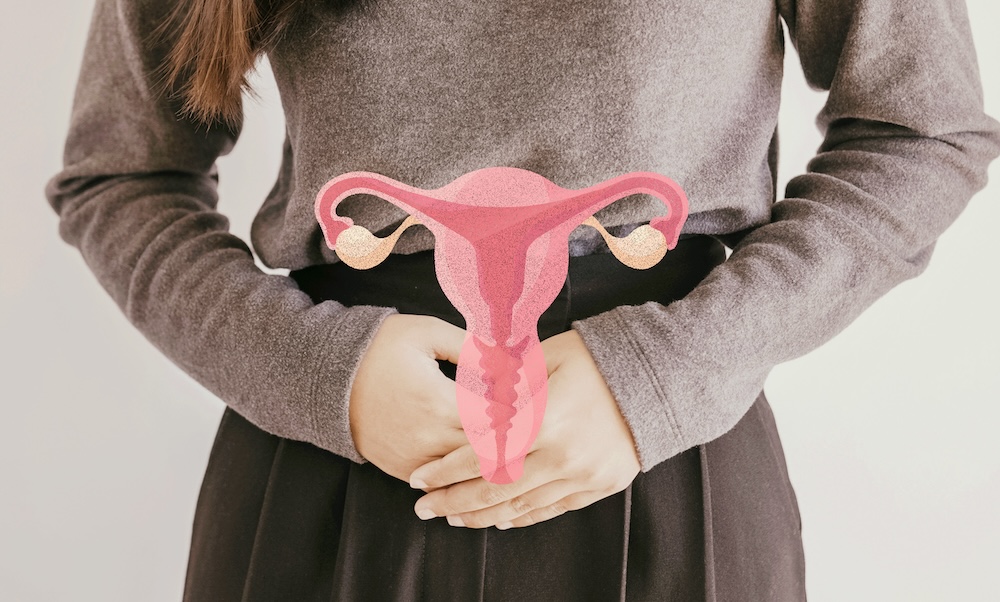
Endometriosis affects an estimated one in 10 women of reproductive age globally—approximately 190 million women. Yet, despite its prevalence, research into this condition has been grossly underfunded and underprioritised.
Recent statistics suggest that only 2 percent of medical research funding is spent on pregnancy, childbirth, and female reproductive health. This is despite one in three women reporting a reproductive or gynaecological health problem.
It is under-researched and underfunded compared to other chronic conditions, contributing to poor diagnostic tools and treatment options. For example, in the U.S., the National Institutes of Health (NIH), the world’s largest source of biomedical research funding, allocated US$41.7bn in 2022.
Despite this, only US$16m – or 0.038 per cent of the NIH budget – was designated for endometriosis research.
Given that endometriosis affects around 11 per cent of US women over their lifetime, this equates to just US$2 per patient per year. In stark contrast, diabetes, which impacts 12 per cent of US women, receives over 1,500 per cent more funding per woman, with an estimated US$31.30 allocated per female patient.
This disparity in funding not only limits our understanding of the disease but also delays the development of effective treatments and diagnostic tools.
An encouraging advancement in the battle against endometriosis is the creation of new AI tools like ANNA (Artificial Narrow Neural Assistant). Designed to aid early diagnosis and reduce the long wait times associated with specialist consultations, ANNA is an AI-driven platform that is being trialled in primary care settings in the UK.
Unlike traditional diagnostic methods that rely on invasive procedures like laparoscopy, ANNA uses a sophisticated algorithm to analyze symptoms and suggest the likelihood of endometriosis. ANNA has been tested with over 160 patients, showing a 100 percent agreement with specialist diagnoses, a clear indicator of its potential in revolutionizing early diagnosis.
ANNA is multilingual and designed with a culturally sensitive avatar, breaking down language barriers and providing healthcare access to women from diverse backgrounds. It can be used independently by patients or in consultation with healthcare professionals, guiding them on when to seek specialist help and offering pain management strategies. By integrating ANNA into primary care, the timeline for diagnosis can be significantly shortened, allowing women to receive timely treatment and improve their quality of life.
Research into and adoption of non-invasive diagnostic tools, like ANNA, is critical to reducing the years of suffering that many women endure. Beyond diagnosis, we need to focus on better treatment options that go beyond hormonal therapies and surgery.
These treatments often have severe side effects, and in many cases, they aren’t curative. Research into the causes of endometriosis—whether genetic, hormonal-, or immunological—will pave the way for more targeted therapies that address the disease at its source.
The importance of awareness cannot be overstated. Primary care providers need to be better trained to recognise the symptoms of endometriosis early on. Public health campaigns should inform women about what constitutes normal menstruation and when they should seek help. Too many women suffer in silence, told by doctors that their pain is “normal” or dismissed with misdiagnoses.
Abu Dhabi is investing in making real changes, developing these cutting-edge surgical techniques for endometriosis and setting up efficient specialized care centers. At our Centre of Excellence, we perform six to seven endometriosis surgeries a week, with recurrence rates below 9 percent.
These are promising advancements, but the next challenge is scaling up these technologies and advancements, ensuring that they are accessible to women worldwide.













Entrepreneur
Future Fertility raises Series A financing to scale AI tools redefining fertility care worldwide

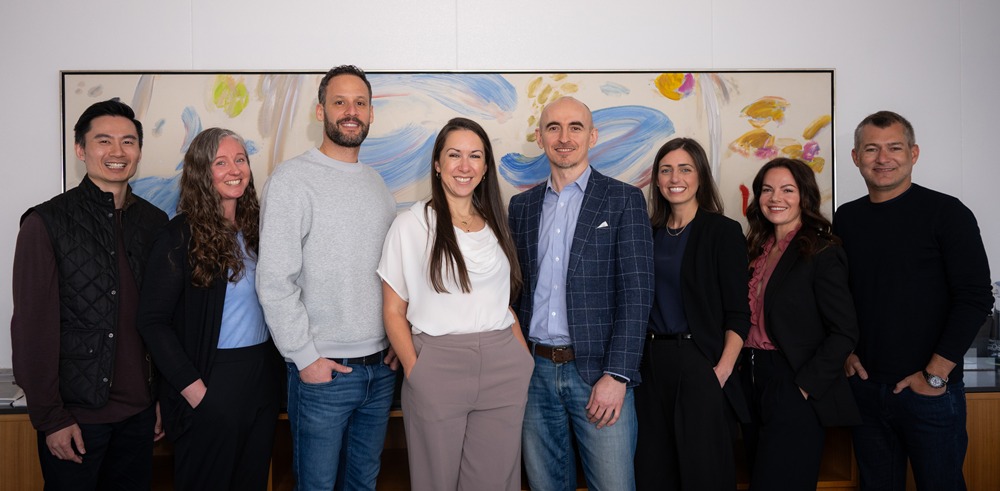
Future Fertility Inc. has announced the closing of a US$4.1 million Series A financing round.
The round was led by M Ventures (the corporate venture capital arm of Merck KGaA, Darmstadt, Germany) and Whitecap Venture Partners, with participation from new investors Sandpiper Ventures, Gaingels, and Jolt VC.
The financing will accelerate Future Fertility’s commercial expansion into Asia-Pacific and support its entry into the United States, including planned FDA 510(k) clearance for additional products as part of a broader U.S. market entry strategy.
Proceeds will also advance the development of a broader AI platform, from egg assessment through to embryo transfer, designed to support clinicians, embryologists, and patients across the full IVF journey.
M Ventures and Whitecap have supported Future Fertility’s mission to translate AI innovation into meaningful clinical outcomes since the company’s earliest stages.
Oliver Hardick, investment director, M Ventures, said: “Future Fertility is addressing a critical unmet need in reproductive medicine with a differentiated AI platform grounded in clinical data and real-world workflow integration.
“We are excited to continue supporting the company and team because we believe its technology has the potential to improve decision-making for clinicians, bring greater clarity to patients, and help advance a more personalised standard of care in fertility treatment.”
Future Fertility’s AI platform addresses a long-standing gap in fertility care: historically, there has been no objective, clinically validated method for assessing egg quality (Gardner et al., 2025), despite it being one of the most important drivers of reproductive success.
The company’s suite of deep learning tools includes VIOLET™, MAGENTA™, and ROSE™, purpose-built for egg freezing, IVF, and egg donation respectively.
The tools are based on AI models trained and validated on more than 650,000 oocyte images and are deployed in over 300 clinics across 35 countries.
Rhiannon Davies, founding and managing partner, Sandpiper Ventures, said: “The best outcomes in fertility care globally come from better data and smarter tools. Future Fertility understands that, and they’ve built a platform that delivers on it.
“Sandpiper is proud to back a team turning rigorous science into real results for patients and clinicians alike.”
Partnerships with the world’s leading fertility networks – including IVI RMA and Eugin Group across Latin America and Europe, FertGroup Medicina Reproductiva in Brazil, and most recently announced Kato Ladies Clinic in Japan – reflect growing demand for objective, AI-powered oocyte assessment in fertility care. In the United States, ROSE™ is newly available under an FDA 513(g) determination.
Research shows that approximately 50 per cent of IVF patients do not understand their likelihood of success, and many discontinue treatment prematurely, even though cumulative success rates improve significantly with multiple cycles (McMahon et al., 2024).
By delivering earlier clarity on egg quality, Future Fertility’s tools support more informed conversations between clinicians and patients, helping set realistic expectations and guide decisions about next steps.
Future Fertility’s growing evidence base spans seven peer-reviewed publications in Human Reproduction, Reproductive BioMedicine Online, Fertility & Sterility, and Nature’s Scientific Reports, and more than 70 scientific abstracts accepted and presented with partner clinics at conferences worldwide.
Christine Prada, CEO, Future Fertility, said: “Fertility treatment is one of the most emotionally and physically demanding experiences a person can go through.
“Every patient deserves objective data, not just a best guess, to support better decisions at critical moments in their care.
“This funding means we can bring that clarity to more patients, in more countries, at a moment when it matters most.”
Find out more about Future Fertility at futurefertility.com












 Entrepreneur3 weeks ago
Future Fertility raises Series A financing to scale AI tools redefining fertility care worldwide

 News2 weeks ago
Women’s digital health market set to reach US$5.28 billion in 2026 – report
 Fertility4 weeks ago
Future Fertility partners with Japan’s leading IVF provider, Kato Ladies Clinic
 Diagnosis3 weeks ago
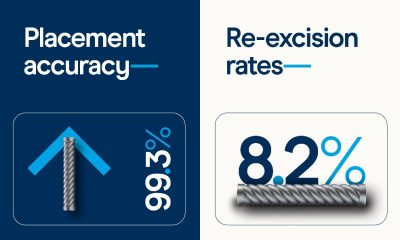
New meta-analysis further supports low re-excisions and high placement accuracy with the Magseed marker

 Menopause4 weeks ago
More research needed to understand link between brain fog and menopause, expert says

 Ageing3 weeks ago
Lifting weights shows mental health and cognitive benefits in older women, study finds

 News3 weeks ago
Resistance training has preventative effects in menopause, study finds

 Pregnancy3 weeks ago
NIPT or NT scan? Why the 2026 evidence supports doing Both