




Mental health
How women can use technology to empower their mental health and happiness
By Talia Soen, founder and CEO at Happy Things


Technology is not just about convenience; it’s a potent tool for nurturing our mental health and happiness.
I’m 36 years old, and I spent most of my life feeling like I wasn’t happy enough. To my surprise, it didn’t matter what milestones I achieved throughout my life – completing my degree, securing my dream job, finding love, getting married. I accomplished these goals, yet happiness remained elusive.
This search has eventually led me to found my first company, Happy Things. Based on the science of positive psychology, Happy Things is trying to change the paradigm that happiness is a goal to be achieved.
With the Happy Things app, we’re trying to teach users that happiness is a skill, learned and honed through simple, daily habits.
In this journey of building Happy Things, me and my team – we’re all women, by the way – went through it all: pregnancies, fertility treatments, and of course, “just” dealing with our periods.
During that time, something clicked. As women, life events, as well as physical, biological and hormonal changes affect our mental health. So how come most mental health solutions available out there don’t address our unique needs and experience?
As women, we should be taking into account all the different components that make up who we are. While there is a lot of information out there, we still have to do most of the work ourselves; learn more about the connection between our bodies and our mental health, develop healthy habits that work for us; empower ourselves to change the happiness paradigm. Technology can help us do that.
Mind-body connection: menstrual cycles and mental wellness
One area where technology is making remarkable strides is in helping women understand and embrace the changes that come with their menstrual cycles.
Menstrual cycle tracking apps, for example, offer a profound understanding of the intricate relationship between a woman’s body and her mental well-being. These apps empower women to record physical and emotional changes throughout their cycle.
Tracking enables women to make informed self-care decisions. During the menstrual phase, rest and self-compassion can alleviate mood swings, while the ovulatory phase, characterised by high energy, is ideal for physical activities.
Aligning routines with these insights fosters harmony between body and mind, enhancing mental wellbeing. In a hectic world, tracking apps help women reconnect with their bodies, prioritise self-care, and nurture their mental health.
The habit loop: how tech can help us create better habits
At the core of wellness and happiness lies the formation of positive habits. Habits are the small, consistent actions we take daily that shape our lives. Whether it’s practicing mindfulness, maintaining a balanced diet, or getting regular exercise, these habits have a profound impact on our mental and physical health.
Yet, new habits are hard to acquire, and even harder to sustain. Imagine this: your smartphone becomes a wellness coach, guiding you toward healthier habits. It offers reminders for your daily meditation practice, tracks your nutrition, and monitors your sleep patterns.
Through wearable devices, you gain real-time insights into your physical activity and stress levels. These tools turn abstract wellness goals into tangible actions.
Practical tips to build wellness habits with technology
Tracking: Apps like Happy Things, the Apple Health Kit, or period tracking apps offer habit-tracking features that can help you monitor your daily wellness routines and celebrate your achievements, no matter how small.
Notifications and reminders: Leverage technology to set reminders for your wellness habits. Whether it’s a morning meditation session or a midday mood check, automated reminders keep you on track.
Mindfulness apps: Explore mindfulness and meditation apps that guide you through relaxation exercises, deep breathing, and mindfulness practices. These can become daily habits that enhance your mental wellness.
Community support: Many wellness apps offer community features where you can connect with like-minded individuals. Joining a supportive community can reinforce your commitment to wellness habits.
The future of mental health tech: personalised wellness
In the world of femtech, where innovation meets the unique needs of women’s health, one key area that often remains unexplored is the profound connection between mental wellness and our bodies.
As we navigate the intricacies of our menstrual cycles, fertility journeys, and life events, there’s an opportunity to leverage technology not only to track and manage these aspects but also to build healthier habits that enhance our overall wellness and happiness.
One of the most exciting aspects of where the wellness industry is currently going is personalisation. New developments unlock the potential for more personalised tech products than ever before, products that almost… understand you, and therefore, provide you with the most useful assistance for your journey.
At Happy Things, for example, we believe that personalisation should take into account the unique needs and experiences of women because our vision is to make happiness a skill that every woman can cultivate.
Technology is not just about convenience; it’s a potent tool for nurturing our mental health and happiness.
By tapping into the wisdom of positive psychology, utilising innovative apps, and building wellness habits, women can embark on a journey of holistic wellbeing. It’s time to unlock your wellness potential—one habit at a time.
Talia Soen is the founder and CEO of the wellness and wellbeing app Happy Things.







Cognitive behavioural therapy (CBT) may offer short-term relief for menopause insomnia and night-time hot flushes, a pilot study suggests.
CBT is a structured, short-term talking treatment that helps people change thoughts and behaviours that can worsen sleep problems.
Researchers found the intervention was linked to meaningful short-term improvements in insomnia severity, hot flush interference, sleep self-efficacy, or confidence around sleep, and depressive symptoms.
The Menopause Society said insomnia affects an estimated 20 to 60 per cent of perimenopausal and postmenopausal women in the US.
Ongoing research is focusing on effective treatments because insomnia can have serious physical and psychological effects.
Dr Monica Christmas, associate medical director for The Menopause Society, said: “Nocturnal hot flushes (night sweats) and sleep disruption can have a significant effect on the quality of life with many women claiming extreme impairment due to symptoms that often start in early perimenopause and last 10 or more years.”
“Sleep disturbances can persist even in those using pharmacological therapy to manage hot flushes.
“The study’s findings highlight the utility of cognitive-behavioural therapy as a standalone treatment for insomnia and hot flushes, offering women an alternative or adjunct to pharmacological treatments.”
Insomnia is defined as disturbed sleep associated with distress or impaired daily functioning and is one of the most common complaints in perimenopause and postmenopause.
It can reduce quality of life and is linked to higher healthcare use and costs, disability, depression and cardiovascular disease.
Hot flushes occur in 60 to 80 per cent of women during the menopause transition and can persist for four to five years on average.
Night-time hot flushes are linked to sleep disruption, and women may respond by napping or spending longer in bed, which can help keep insomnia going.
Previous studies have shown that cognitive behavioural therapy is an effective treatment for insomnia and may also help women cope with hot flushes and other menopause symptoms.
However, few trials have looked at both insomnia and hot flushes together.
Insomnia during and after the menopause transition is complex and can have many causes, including ageing, hormone fluctuation, hot flushes, other sleep disorders, psychiatric and medical conditions and psychosocial stressors.
Because women with acute and sustained insomnia can experience greater negative health effects, effective treatment is important.
The pilot study concluded that CBT was feasible and may be a promising approach for menopause-related insomnia and nocturnal hot flushes, although the benefits appeared to lessen after three months.











 Entrepreneur4 weeks ago
Future Fertility raises Series A financing to scale AI tools redefining fertility care worldwide

 News3 weeks ago
Women’s digital health market set to reach US$5.28 billion in 2026 – report
 Diagnosis4 weeks ago
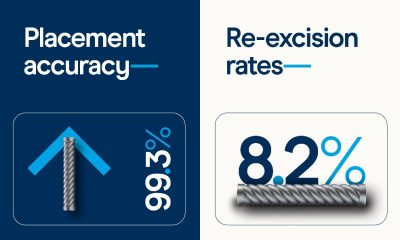
New meta-analysis further supports low re-excisions and high placement accuracy with the Magseed marker

 Pregnancy4 weeks ago
NIPT or NT scan? Why the 2026 evidence supports doing Both

 Mental health4 weeks ago
Lifting weights shows mental health and cognitive benefits in older women, study finds

 News4 weeks ago
Resistance training has preventative effects in menopause, study finds

 Insight3 weeks ago
Why the UK’s fertility rate keeps falling – and what it means if you’re trying now

 Wellness3 weeks ago
Women’s HealthX unveils Northwell Health, Corewell Health, Biogen & more to headline Chronic Disease stage