




Opinion
Healthy Recipes for Pregnancy: What Dietitians Recommend


If you’re expecting, you need all the food you can get. However, you can’t just eat anything. Some foods can be unhealthy for you and your unborn baby.
It can be tough to get proper daily nutrition when you’re craving something you wouldn’t usually eat. This article offers healthy recipes for pregnancy and includes nutrients dietitians recommend.
Nutritional Requirements During Pregnancy
Certain nutrients are essential for fetal development and the pregnant woman’s health. These include:
- Folate and folic acid: These two are different forms of vitamin B39, vital for cell growth. Consuming enough folate during pregnancy could reduce chances of birth defects.
- Vitamin D: This nutrient helps the mother’s and baby’s bone and teeth health. Vitamin D also aids blood clotting, preventing excessive bleeding from open wounds.
- Calcium: Like vitamin D, calcium is crucial for bone and teeth health. Muscles and the heart also need calcium to function properly.
- Protein: Fetuses and their mothers need protein for muscle growth, cell signalling and wound healing. It’s a macronutrient and energy source that helps repair parts of the body.
- Iron: Adults and babies need iron to produce haemoglobin, which carries oxygen throughout the body. Iron deficiency could affect the baby’s brain development.
Before getting pregnant, you must consistently consume these nutrients, especially folate and folic acid. One study shows that only one-third of women, and specifically just 10% of African-American women, take folate at least three months before pregnancy. (1)
Consulting board-certified registered dietitians can help you identify which nutrients you lack. They may suggest you take prenatal supplements or a daily meal plan. Dietitians will consider your dietary preferences and encourage healthy eating habits. They could provide tailored guidance that benefits you and your baby.
Breakfast
Breakfast meals should ideally include most, if not all, of the nutrients you need. To start your day, check out these healthy recipes for pregnancy.
Egg Wrap
This dish has all the goodness that’s great for a developing baby. There’s protein from eggs, calcium from parmesan cheese and iron from whole wheat tortillas. Toss in some leafy greens for extra fibre and tomatoes for folate and antioxidants.
Whole Wheat Pancakes With Fresh Berries
Pancakes made of whole wheat flour make breakfast fun despite daily morning sickness. Pair them with your favourite berries, like blueberries and raspberries, for vitamin C. For extra sweetness, drizzle some honey over everything on your plate.
Breakfast Burritos
If you’re a busy mum, these freezer-friendly burritos are perfect. Prepare this meal the day before with tortillas, breakfast sausage, eggs, kidney beans and parmesan cheese. Warm your burritos when you wake up for a savoury pick-me-up.
Lunch
You’ll get hungry fast when you’re feeding a tiny human. Satiate your hunger with these healthy diet ideas for lunch.
Italian Pasta Salad
The carbs in rotini pasta will keep you going until dinner. Cherry tomatoes, black olives and chopped basil add the nutrients you need from this meal. Pasteurised mozzarella cheese adds extra flavour to your pasta salad and boosts calcium.
One-Pot Lemon Garlic Butter Salmon and Veggies
If you love using only one pot, making this meal will make you smile. Use the freshest salmon fillets for protein and omega-3. Add some halved baby potatoes and green beans to the pot. For the sauce, mix melted butter, garlic cloves, lemon zest and lemon juice. Once the salmon is ready, serve with brown rice.
Chocolate Peanut Butter Protein Smoothie
Don’t feel hungry? You still need to fill your stomach with something. Experts say that even a 30-minute midday lunch break will help you stay energised throughout the afternoon. (2)
Why not prepare an easy yet healthy smoothie? Blend chocolate protein powder with pasteurised milk, a whole medium-sized banana and a dollop of peanut butter with ice. Consume immediately to enjoy its coolness and freshness.
Dinner

You also need to eat a few hours before bed so you won’t wake up from hunger pangs. These meals can keep you and your baby nourished until morning.
Buddha Bowl
This dish is great for mothers with vegetarian diets. It’s tasty and healthy thanks to tofu, mushrooms, avocado and chickpeas seasoned with garlic powder and sea salt. Top it over cauliflower rice for a filling meal.
Lentil Soup
Nothing beats a good lentil soup to warm you up. Various veggies with lentils soaked overnight make this nutrient-packed meal perfect for dinner. Serve it as is or with wholemeal bread and cheese shavings for more nutrition and flavour.
Sweet Potato Noodle Stir Fry
Sweet potatoes are well-loved in health-conscious circles for their complex carbs. They contain fibre, potassium, and vitamins B6 and C. Dietitians may suggest eating sweet potatoes because they can also help control blood pressure levels, a significant concern during pregnancy. (3)
Shred them into noodles and stir-fry them to perfection. Include some steak chunks to make it more savoury.
Snacks
Healthy recipes for pregnancy aren’t just for the big meals. You might want to snack in between, but don’t reach for that bag of crisps. Try some healthier options instead.
A small plate of fresh fruits and veggies is a fantastic snack for expecting mothers. Choose your favourites and munch on them while working or lazing around.
If you want something sweeter, try a Greek yoghurt parfait. For a decadent snack, sprinkle some berries and chopped walnuts on top.
Tea and scones are obvious choices for afternoon snacks. You can even substitute tea for coffee, which studies find safe for babies’ brain development.
Conclusion
When you’re pregnant and eating for two, the more you need to consume healthier foods. The meals in this piece are just some ideas you can try. Feel free to alter them to your tastes to make eating enjoyable.
As always, talk to an expert dietitian for more healthy recipes for pregnancy. Every treat you eat is for you and your baby.
References
- “Prenatal supplements fall woefully short in providing crucial nutrition during pregnancy – and most women don’t even know it,” Source: https://theconversation.com/prenatal-supplements-fall-woefully-short-in-providing-crucial-nutrition-during-pregnancy-and-most-women-dont-even-know-it-227848
- “Why you should actually break for lunch,” Source: https://edition.cnn.com/2021/06/07/health/skipping-lunch-wellness/
- “Nutrition-related health outcomes of sweet potato (Ipomoea batatas) consumption: A systematic review,” Source: https://www.sciencedirect.com/science/article/abs/pii/S221242922200668X



By Claire Pettengill, science intern and Jade Anstine, clinical AI intern, Ema EQ
Every year, Gallup asks Americans which professions they trust most. Every year, nurses win. Not doctors. Not scientists. Nurses. And if you spend any time thinking about why, the answer is not hard to find.
Medicine runs on the nurse noticing first. In other words, the diagnosis follows the nurse sounding the alarm. They ask questions that feel human, not procedural. They explain what is happening in language you can understand.
And, critically, they know when something is beyond their scope and get you to the right person without making you feel like a burden for needing more.
That is the model we built Ema on.
When we set out to build an AI companion for women’s health, we could have just built something that answers questions efficiently. Pattern matching. Fast retrieval. Clinically accurate outputs.
Those things matter, and Ema does all of them. But accuracy alone does not build trust, and trust is the entire game in healthcare.
A woman asking about her postpartum recovery, her fertility, or her breastfeeding supply is not looking for a search engine. She is looking for someone who will take her seriously.
Women’s concerns don’t just need to be ‘validated’; they also need to be believed. Dismiss a woman’s pain as anxiety once, and you’ve taught her to doubt her own body.
The nursing model of care is built on exactly that premise. It is care that is shaped by her story. It asks about context and symptoms.
It treats the person as a whole, and it recognises that the right answer is sometimes a referral, not a response.
We trained Ema to escalate. That may sound like a small thing, but in AI, it is a deliberate design choice.
Most AI systems are optimised to answer and maintain engagement. Ema is optimised to help, and sometimes helping means saying “you need to speak to a clinician” and making that path easy.
This matters especially in women’s health, where the clinical trust gap is well-documented.
In a 2022 nationally representative survey of over 5,000 women, nearly 1 in 3 reported that their doctor had dismissed their concerns, and 15 per cent said a provider simply didn’t believe them.
Women are more likely to have their symptoms dismissed, their concerns minimised, and their pain undertreated. Among women under 35, nearly half reported at least one of these experiences.
They have had to learn how to advocate within systems designed for efficiency, built on men’s health.
With Ema, every conversation is an opportunity to make a woman feel heard, informed, and directed to the right level of care, neither over-triaged nor undertreated.
The goal is not to replace clinicians. It is to create a trustworthy first point of support that listens carefully, explains clearly, recognises limits, and helps women move toward appropriate care.
The nurses who top those Gallup rankings every year earn that trust through consistency. They show up, listen, follow through, and know their limits.
Ema is simply that trust, built into technology. That is the standard we hold Ema to: a trustworthy presence that knows when to answer and when to hand off.
Medicine spent a long time teaching women not to expect to be believed. Ema is built by the people who never stopped listening.
Bios
Claire Pettengill is a psychiatric nurse and DNP-PMHNP candidate at Columbia University School of Nursing, specialising in women’s mental health across the lifespan and algorithmic justice – ensuring the AI tools shaping women’s care are built to actually listen. She joined Ema EQ as a science intern focusing on clinical safety standards for evaluating AI in women’s health.
Jade Anstine is a senior nursing student at Gustavus Adolphus College looking to bridge the gap between frontline medicine and digital health innovation. He joined Ema EQ as a Clinical AI Intern to assess the Ema AI model across different clinical populations, specifically pediatrics and LGBTQ+.


By Jane Lewis, chief operating officer, chief financial officer and women’s health lead, ABHI
For years, the conversation around women’s health has rightly focused on recognition.
Recognition that women wait longer for diagnosis. Recognition that symptoms are too often dismissed or normalised. Recognition that healthcare systems have historically been designed around male biology, leaving gaps in research, evidence and care.
That recognition matters. But awareness alone will not improve outcomes.
The challenge facing women’s health today is no longer simply identifying the problem. It is acting on the solutions already available.
At ABHI’s Women’s Health Summit earlier this year, leaders from across healthcare, government, academia and industry came together to discuss the future of women’s health.
One message emerged repeatedly throughout the day: we do not have an innovation problem.
Across medical devices, diagnostics, digital health and genomics, there are already technologies capable of transforming outcomes for women.
From self-sampling approaches for cervical screening and non-invasive diagnostics to AI-enabled tools and advanced imaging, innovation is happening. The question is whether healthcare systems can adopt it quickly enough.
Too often, promising technologies become trapped in pilot programmes, fragmented procurement processes or lengthy implementation pathways. Evidence generation, commissioning and adoption are frequently treated as separate challenges rather than part of a single journey.
The consequence is that innovations capable of improving quality of life and reducing pressure on health services take years to reach the women who could benefit from them.
This matters because women’s health extends far beyond reproductive health.
Historically, many discussions have centred on fertility, pregnancy and gynaecological conditions. These remain critically important, but they represent only part of the picture.
Women experience cardiovascular disease differently to men. They are disproportionately affected by autoimmune conditions. They face distinct health challenges throughout their lives, from adolescence to healthy ageing.

Jane Lewis
Yet healthcare systems often continue to approach these issues in isolation.
A woman does not experience her health in separate compartments. Pregnancy, cardiovascular risk, menopause, mental health and musculoskeletal conditions are interconnected.
Healthcare systems need to reflect that reality through more integrated, life-course approaches to care.
There has never been a better opportunity to do so.
Across the NHS, the shift towards prevention, community-based care and digital transformation aligns closely with the needs of women’s health.
Women’s Health Hubs are already demonstrating the benefits of bringing services together around the needs of women rather than organisational boundaries. Digital technologies are helping to identify risk earlier and support more personalised care.
Innovation can help deliver all three of the NHS’s major transformation ambitions: moving from treatment to prevention, from hospital to community, and from analogue to digital care.
But innovation alone is not enough.
Closing the women’s health gap also requires us to address longstanding gaps in research and evidence.
Women remain underrepresented in many areas of clinical research, and sex-disaggregated analysis is not always applied consistently. The result is that clinical pathways and treatment decisions are often based on evidence that does not fully reflect female physiology.
Better data, stronger research participation and greater focus on female-specific and female-predominant conditions will be essential.
There is also a compelling economic case for action.
Women’s health is often framed as an equality issue, and equality remains central. But poor health affects workforce participation, productivity and economic growth.
Improving outcomes for women benefits not only patients, but employers, healthcare systems and wider society.
Yet despite this, women’s health innovation continues to attract only a fraction of the investment directed towards other areas of healthcare.
That is beginning to change.
Across the UK and internationally, momentum is building. Governments, investors, researchers and innovators increasingly recognise that women’s health is both a societal necessity and an economic opportunity.
The conversation has moved on significantly in recent years. Topics that were once overlooked are now firmly on the policy agenda.
The next challenge is ensuring that awareness translates into action.
The technologies exist. The evidence is growing. The policy direction is increasingly clear.
ABHI is increasingly taking this agenda beyond national boundaries. Through our engagement with international industry associations, policymakers and healthcare leaders, we are working to ensure that women’s health is recognised as both a health and economic priority.
We are helping to shape discussions on innovation, regulation, investment and adoption, while sharing lessons from the UK with partners around the world.
Whether addressing the gender health gap, improving access to diagnostics or accelerating the uptake of new technologies, international collaboration will be essential.
The challenge now is not recognising the need for change, but delivering it.
Women have waited long enough for acknowledgement of the problem. They should not have to wait any longer for the benefits of the solutions that already exist.
ABHI is the UK’s leading industry association for HealthTech. Its members, ranging from multinationals to small and medium-sized enterprises (SMEs), develop and supply technologies spanning everything from syringes and wound dressings to surgical robots, diagnostics, and digitally enabled healthcare solutions. ABHI’s 400 member companies represent approximately 80% of the UK HealthTech sector by value.

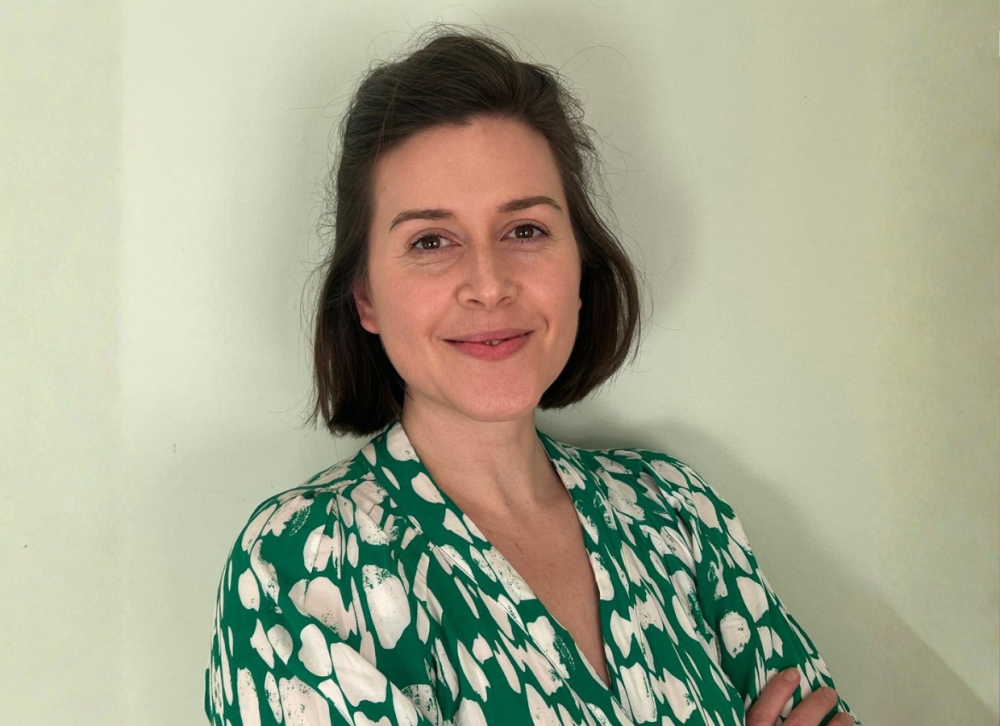
By Dr Fran Conti-Ramsden, clinician at Guy’s and St Thomas’ NHS Foundation Trust, academic at King’s College London, and chief medical officer of MEGI Health.
A woman gives birth. A few days later she goes home, often with a bag of medication for her blood pressure, and then, very often, very little structured follow-up for her heart (cardiovascular) health.
In my clinical work, and through our collaboration with Action on Pre-eclampsia, I see and hear about this postnatal cliff edge again and again, and it still shocks me.
We invest a lot of medical care and attention whilst a woman or birthing individual is pregnant, then, at the very moment emerging evidence suggests we have a window of opportunity to modify long-term health, the support falls away.
That cliff edge is a symptom of a deeper issue: we have come to treat “women’s health” as a synonym for reproductive health. Pregnancy, periods and fertility, important as they are, have crowded out everything else.
Yet the conditions that do most to shorten and limit women’s lives are not reproductive at all.
Cardiovascular disease is the leading cause of death in women worldwide, and it is still too readily thought of as a man’s problem.
Heart disease in women is more likely to be missed and under-treated, in part because for decades women were under-represented in the research that built our knowledge.
Pregnancy makes this vivid.
Conditions such as pre-eclampsia are not only risks to be managed for nine months; they are early warnings about a woman’s future, markers that she is more likely to develop heart disease and high blood pressure in the years to come.
We have the knowledge to act on that. What we mostly do instead is discharge her and look away.
This is exactly the kind of problem better tools should help us solve: spotting risk earlier, supporting women and their clinicians through the vulnerable postnatal window, and providing continuity where the system currently provides a drop due to lack of capacity.
Artificial intelligence and digital health have real potential here; in risk prediction, in monitoring blood pressure at home, and in helping stretched clinicians know who needs attention and when.
And yet this is not where most of the energy is going.
It is far easier to build, fund and scale an app that tracks a cycle than a tool that changes the trajectory of a woman’s heart.
So, innovation clusters at the lighter, lower-risk end of innovation, while the conditions that actually kill and disable women, and moments like the postnatal cliff, stay under-served.
Closing the women’s health gap could add at least a trillion dollars to the global economy each year, the World Economic Forum estimates, but the bigger prize is women living longer, healthier lives.
None of this means technology is a cure in itself. It is a tool, and a tool built carelessly can do harm.
Because women have been under-represented in medical data, systems trained on that data can quietly carry the same blind spots forward, deepening inequalities rather than closing them.
Responsible innovation, with clinical-grade evidence, privacy and equity designed in from the start, and tools built around real clinical pathways rather than bolted on afterwards, is not a brake on progress.
It is the only version of progress worth having.
I am optimistic, because a serious community is forming around exactly these questions and the appetite to get it right is real.
It is why, at MEGI, we are bringing clinicians, researchers, founders, regulators and investors together for our AI × Women’s Health summit on 25 June.
If we keep our focus on the conditions that matter most to women’s lives, and build the tools to meet them responsibly, the postnatal cliff edge could become something else entirely: the moment the system finally catches her and delivers preventative healthcare.
AI × Women’s Health: Innovation, Challenges and Opportunities summit is taking place on Thursday 25 June 2026 at the London Institute for Healthcare Engineering. The event is free and is fully booked and operating a waiting list. Join the waiting list here.
About Dr Fran Conti-Ramsden
Dr Fran Conti-Ramsden is a UK Obstetrics and Gynaecology registrar and Chadburn Clinical Lecturer at KCL passionate about transforming women’s health through technology and innovation.
Combining NHS clinical experience with an MRC-funded PhD, recent NHS Clinical AI fellowship and commercial role as Chief Medical Officer at Megi health, she works at the intersection of clinical medicine, data science, technology and AI.
Her current programme of research focuses on the intersection of healthcare and technology; leveraging advances such as smartphone based vital signs capture and large language models to drive forward scalable innovation in maternal cardiovascular care.
She has published over 20 peer-reviewed manuscripts (See gScholar, h-index 12), including award-winning work recognized by Hypertension Journal.
She was awarded an AI visionary award in 2025 by Health Innovation KSS was the recipient of the 2024 International Society for the Study of Hypertension in Pregnancy Zuspan prize.








 News2 weeks ago
New menopause drug approved for use by NHS in Scotland

 Hormonal health1 week ago
Stardust period tracker shares health data, study reveals

 News5 days ago
Zero Candida market set to reach over US$2 billion by 2030 – report

 News2 weeks ago
Women’s health draws record $1.55bn in equity as capital spreads beyond the mega-rounds
 Insight2 weeks ago
Softening ovaries could extend fertility as women age, study suggests

 Entrepreneur2 weeks ago
Onto Health acquires diagnostics software company Levy Health

 News1 week ago
Congress urged to invest over $20bn to close women’s health gap

 Menopause1 week ago
Many women still confused about perimenopause, research finds