




Connect with us

Pregnancy

Experts call for better type 2 diabetes care for pregnant women
Published

on

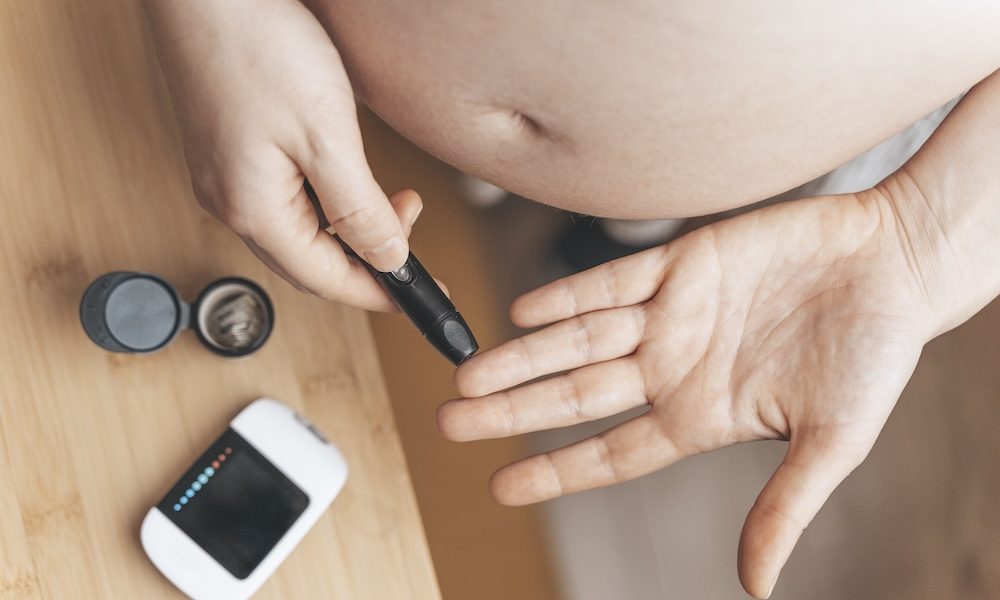
Experts are calling for urgent action to improve type 2 diabetes care for women with early-onset disease before, during and after pregnancy.

A new consensus statement from clinicians and researchers across the UK and Ireland sets out critical gaps in current knowledge and priorities for future research to better support women and their babies.

Type 2 diabetes in women of reproductive age is rising, yet evidence to guide safe and effective care across pregnancy remains limited, the group said.

Being diagnosed at a young age increases the risk of serious problems during pregnancy, as well as long-term health problems for both mothers and their babies.

Dr Sara White, clinical senior lecturer in women’s health and diabetes at King’s College London, said: “Type 2 diabetes in women of reproductive age is rising, yet evidence to guide safe and effective care across pregnancy is limited.

“From the experience of clinicians and women living with diabetes, we know that being diagnosed with type 2 diabetes at a young age increases the risk of serious problems during pregnancy, as well as long-term health problems for both mothers and their babies.

“Even so, most research has focused on managing blood sugar during pregnancy. Much less attention has been given to helping women prepare before pregnancy, supporting them after birth, and understanding the wider social factors that affect health outcomes.

The consensus statement brings together evidence from three large systematic reviews, alongside expert and audience discussion from the Diabetes UK Annual Professional Conference in 2025.

It highlights an urgent need to rethink how care is designed and delivered for this group of women.

Professor Claire Meek, professor of chemical pathology and diabetes in pregnancy at the University of Leicester, said the lack of evidence leaves both women and clinicians navigating pregnancy with too little support.

She said: “Women with early-onset type 2 diabetes are often managing complex health needs at a young age, yet the systems around them are not designed with that reality in mind.

“We need coordinated, evidence-based care that starts before pregnancy, continues after birth, and recognises the wider social and cultural barriers many women face.”

The group identifies several priority areas where research and service change could make an immediate difference.

These include improving access to preconception care, supporting healthy weight before, during and after pregnancy, and strengthening postnatal follow-up to reduce long-term risks such as cardiovascular disease.

The statement also stresses the importance of addressing inequalities linked to deprivation, ethnicity, language barriers and access to healthcare.

The researchers said women’s experiences must sit at the heart of future work.

Many women report feeling judged or stigmatised, poorly informed about pregnancy risks, and unsupported once specialist maternity care ends.

Dr Rita Forde, senior lecturer at the School of Nursing and Midwifery, University College Cork, said: “By setting out a shared research agenda we hope to accelerate studies co-developed with women and communities that will improve outcomes for these women and their future children.”

The consensus statement calls on funders, policymakers and healthcare leaders to act now, warning that without targeted investment, preventable harms to women and babies will continue to rise alongside the growing prevalence of early-onset type 2 diabetes.

Pregnancy

Climbing during pregnancy may be safer than long assumed, study finds

Published

on

Climbing during the third trimester was not linked to higher rates of self-reported pregnancy complications in a global study.

The findings provide direct evidence on an activity pregnant women have traditionally been advised to avoid because of concerns about falls.

Researchers surveyed 692 people about climbing during pregnancy, falls, maternal and baby health outcomes and their return to the activity after giving birth.

The study recorded almost 64,000 hours of climbing among participants.

During that time, participants reported 155 “hard falls”, defined as falls or catches forceful enough to be remembered or cause concern.

The rate of adverse clinical events, meaning negative medical outcomes affecting the pregnancy or baby, was 0.03 per 1,000 hours of climbing exposure. All babies in the study were born live.

Researchers found no significant difference in pregnancy or foetal health outcomes between participants who stopped climbing at or before 27 weeks and those who continued beyond that point.

The findings suggest continuing the activity into the third trimester was not associated with increased self-reported complications among those surveyed.

The survey also found 96 per cent of participants said that, despite concerns about climbing while pregnant, they felt “happy” or “very happy” that they had continued.

Margie Davenport, professor in the Faculty of Kinesiology, Sport, and Recreation and lead author of the study, said the preliminary findings challenge an assumption about maternal exercise that had been based on opinion rather than research.

She said: “For decades we have restricted pregnant women from activities like climbing due to concern for their health and the health of the baby, but our evidence suggests it’s beneficial for both mental and physical health.”

Continue Reading

Entrepreneur

Peripear wins Innovate UK Women in Innovation Award

Published

on

Medtech startup Peripear has won an Innovate UK award for developing a wearable designed to prevent perineal trauma during childbirth.

The Oxford-based company is developing a hands-free warm compress device for use on the perineum during the second stage of labour.


Peripear describes its product as the world’s first automated perineal thermotherapy wearable, designed to prevent perineal trauma during childbirth.

The device is intended to reduce severe tearing and episiotomies while improving maternal comfort.

Peripear has secured an Innovate UK Women in Innovation Award and a £74,974 grant.

The funding will support further product development ahead of the company’s planned first-in-human study.

Nina van Schaick, co-founder and chief operating officer of Peripear and midwife, said: “I’m sure I wasn’t the only one to see this gap.

“I was incredibly lucky to meet my co-founder, Eviatar Natan, right as my frustration about the lack of translation of evidence into practice had peaked.

“There was a proven mechanism that could reduce injuries occurring in up to 90 per cent of vaginal births, and it was being left out of clinical pathways simply because no standardised tool existed to deliver it.

 “I’m a farmer’s granddaughter, and when I started practising over 14 years ago, I asked: where is the tool I need to implement this evidence? I looked around and realised we were still asking clinicians to improvise.

“Peripear is what happens when the person who has lived the problem, both personally and professionally, meets the person who can help her build the solution.”

Continue Reading

Pregnancy

Adverse pregnancy outcomes linked to greater social needs in Black and Latina women – study

Published

on

Pregnancy complications are linked to greater health-related social needs among Black and Latina women, a study has found.

Adverse pregnancy outcomes include pre-eclampsia, gestational hypertension, gestational diabetes, low birth weight and preterm birth.

These complications are associated with risks of further complications, chronic disease and cardiovascular disease, and disproportionately affect Black and Latina women.

Researchers from Mass General Brigham found that adverse pregnancy outcomes among Black and Latina women were also associated with substantially greater health-related social needs.

These included education, transport, food security, financial strain, employment and social support.

The researchers said integrating assessments of social needs into postpartum care could help improve long-term maternal health and reduce disparities.

Michael C. Honigberg, cardiologist and researcher with the Mass General Brigham Heart and Vascular Institute and senior author, said: “Pregnancy can offer a critical window of engagement for patients and providers.

“Pregnancy complications should be viewed as an opportunity not only for cardiovascular risk prevention but also for screening for and addressing social needs.”

Honigberg and colleagues from Mass General Brigham’s Heart and Vascular Institute and Department of Obstetrics and Gynecology analysed data from the BUSY-BP cohort study.

The study included Black and Latina women recruited from hospitals and health centres affiliated with Mass General Brigham.

Participants completed a screening tool covering their living situation, food, transport, utilities, safety, financial strain, employment, family and community support, education and other needs.

The study included 883 women who had previously been pregnant, including 400 participants, or 45.3 per cent, who had experienced one or more adverse pregnancy outcomes.

Researchers found that the rate of adverse pregnancy outcomes increased as the burden of health-related social needs rose, particularly for needs related to education.

These included help with starting or completing job training, gaining a high school diploma or obtaining a General Educational Development equivalency certificate.

The authors said further research is needed to separate cause and effect and identify interventions based on the findings that could improve health outcomes.

Honigberg said: “Identifying and testing interventions, such as social support programmes that can help women during the postpartum period, will be critical for improving downstream health outcomes for women and babies.”

Continue Reading

Trending

Copyright © 2025 Aspect Health Media Ltd. All Rights Reserved.

