




Research
High PFAS levels found in period products


Toxic PFAS chemicals have been detected in some reusable menstrual underwear and pads, with one-third of tested items showing signs of intentional use.
Researchers analysed 59 products, including 43 pairs of period underwear, eight reusable pads, four menstrual cups, three reusable incontinence underwear and one reusable incontinence pad.
PFAS – short for per- and polyfluoroalkyl substances – are synthetic chemicals that do not break down in the environment and have been linked to cancer, obesity, high cholesterol, reduced fertility, hormone disruption and other serious health issues.

Some products contained neutral PFAS at levels measured in parts per million – significantly higher than the parts per trillion often considered safe.
Neutral PFAS, which carry no electrical charge, may be more easily absorbed through skin and mucous membranes such as vaginal tissue.
The study, led by the University of Notre Dame, found that 33 per cent of period underwear and 25 per cent of reusable pads contained PFAS at levels indicating they had likely been added deliberately, most likely for leak protection.
Professor Graham Peaslee, of Notre Dame’s departments of physics, chemistry and biochemistry, said: “What’s shocking is that we found 33 per cent of period underwear and 25 per cent of reusable pads had intentional PFAS use — meaning the chemicals had been put there, likely to keep the products from leaking.”
The researchers also observed inconsistent PFAS placement in the products.
Peaslee added: “It did seem to be random — sometimes they put PFAS in the inside layer of material, sometimes on the outside, sometimes between the layers, all of which suggests they have no idea what they’re doing.
“There’s no labelling, so consumers have no clue because there’s no way they can tell.”
Many of the materials were sourced from third-party suppliers overseas, where awareness of PFAS-related risks may be lower than among US-based manufacturers, the study noted.
The findings come as more people seek eco-friendly menstrual products, although there is limited research on how much PFAS may be absorbed through vaginal tissue over time.
Dr Kathrin Schilling, assistant professor of environmental science at Columbia University Irving Medical Center, said: “That is a huge gap in our understanding, especially given how many people rely on these products monthly for years.
“While these findings might seem niche at first glance, they point to a broader need for research, regulation, and transparency around the materials used in all menstrual products.”
The products tested came from manufacturers in the US, as well as from South America, Australia and Europe.
While the sample size was relatively small, the researchers said it provides a representative snapshot of the current market.











A urine and vaginal fluid test could help rule out womb cancer in women with postmenopausal bleeding, potentially reducing invasive checks.
In a study of 1,864 women with postmenopausal bleeding, the test identified 80 of 99 womb cancers and correctly gave a negative result for 93 per cent of women without the disease.
Researchers said the test was not accurate enough to rule out cancer on its own, but could help fast-track women at the highest risk for urgent investigation while reducing immediate invasive testing for those at lower risk.

Professor Emma Davidson, of the University of Manchester and Manchester University NHS Foundation Trust, said: “Bleeding after the menopause is understandably alarming for women because it can be a sign of cancer, but the vast majority of those investigated will not have the disease.
“At the moment, many women face invasive, uncomfortable tests that can be stressful as well as costly for health services before cancer can be ruled out.
“Our study shows that a simple test using urine and vaginal samples could help identify the women most likely to have cancer while safely reassuring many others much earlier in the diagnostic pathway.
“If further studies confirm these findings in routine practice, this approach has the potential to transform care for thousands of women every year.”
Developed at the University of Manchester and Manchester University NHS Foundation Trust, the test examines cells collected from urine and vaginal fluid samples.
Postmenopausal bleeding currently triggers an urgent cancer referral, although only about 5 to 10 per cent of women who report it have an underlying cancer.
Current investigations include an internal ultrasound scan, a biopsy of the womb lining and hysteroscopy, in which a camera is passed into the womb.
Women taking part in the study attended seven hospitals in north-west England and provided urine and vaginal fluid samples before undergoing their routine tests.
Five per cent of participants, 99 of 1,864 women, were diagnosed with womb cancer through biopsy or surgery.
Cytologists assessed the samples without knowing the women’s diagnoses.
Researchers said the test could be used to triage women suspected of having womb cancer, with lower-risk patients monitored through repeat sampling or given a full assessment if symptoms continued.
They cautioned that the samples were assessed by highly trained specialist cytologists, so it is not yet known whether the same accuracy could be achieved in other settings.
The test has also not been studied in women without symptoms.


A targeted nanotherapy reduced endometriosis lesions and pain sensitivity after a single dose in mice, early research has found.
The experimental treatment uses a nanoparticle to deliver an existing drug to immune cells associated with endometriosis.
Researchers hope the approach could eventually lead to a treatment for people with the chronic condition, but it has not yet been tested in humans.
Kanako Hayashi, professor in Washington State University’s School of Molecular Biosciences in the College of Veterinary Medicine and a corresponding author of the research, said: “We found the disease-specific immune cell, and then we had a drug, but we couldn’t target the cell with the drug alone.
“So we used this nanocarrier that delivers the drug specifically to the disease site.”
The Washington State University team developed the therapy after previously identifying a distinct population of macrophages associated with endometriosis. Macrophages are white blood cells involved in immune defence.
They designed a nanocarrier, a specialised molecule used to transport drugs to the disease site, to target these cells without affecting surrounding cells and tissue.
The treatment uses niclosamide, a drug approved to treat intestinal tapeworms that is also being studied for other potential uses, including cancer treatment.
Previous research by the team found that niclosamide could reduce endometriosis lesions. However, the drug has low solubility, meaning large amounts are needed for it to work and limiting how long it can safely be taken.
The researchers engineered a nano-sized molecule called a dendrimer to bond with niclosamide and deliver it in a more soluble form.
In a mouse model, a single injection reduced the size and number of endometriosis lesions as well as sensitivity to pain.
Endometriosis affects roughly 190 million women worldwide and occurs when lesions similar to tissue inside the uterus grow outside it.
Symptoms can include chronic pain, severe cramps, pain during sex and infertility. Hormonal therapies can help manage symptoms but may affect fertility and bone density, while surgery can remove lesions but its effectiveness may be short-term.
Recent research has focused on immune system dysfunction in endometriosis, particularly problems involving macrophages.
The researchers are working with the WSU Office of Entrepreneurship and Innovation as they pursue patenting and commercialisation opportunities and seek support to test the technology in human trials.
Hayashi said: “Although we still need to clear multiple phases, this study is telling us the efficacy is strong, and this nanocarrier is stable, so far, for two weeks—and we think we can go longer.
“The idea is that if it’s stable for a month, you could go to the doctor once a month, get the shot, either IV or muscle injection, and then go home.”

Women with the same medical conditions as men were less likely to receive the same treatment across several specialties, a global research review found.
The review found differences in care for conditions including cardiovascular disease, kidney disease and Parkinson’s, with women less likely to receive some active treatments.
Of 38 studies analysed, 33 found women were less likely than men to be offered active treatment.
Researchers at the University of St Andrews found women with myocardial infarction, heart failure or an irregular heartbeat were more likely to receive medication, while men were more likely to undergo coronary bypass surgery, stenting or other surgical treatment.
Women were also less likely to be prescribed statins.
Men with Parkinson’s were more likely to be referred for deep brain stimulation.
Men with liver failure were more likely to receive a transplant, while women with kidney disease requiring dialysis were less likely to receive permanent access and spent longer using a catheter.
Women were also less likely to receive opioids for pain management.
The researchers found no significant difference between women and men in treatment for stroke or diabetes, while women were more likely to receive treatment for dementia.
None of the studies identified clinical guidelines recommending different treatment based on sex.
Researchers said this suggested the differences could not be explained by the need for different clinical approaches to women’s health.
Dr Andrew O’Malley, who co-led the study, said: “For clinicians, the findings are a prompt to check whether treatment is being offered on clinical grounds rather than assumption.”
He said studies showed doctors more often attributed women’s symptoms to anxiety and made more diagnostic errors with female patients, even when test results were positive.
Dr Miriam Veenhuizen, honorary lecturer in the School of Medicine at St Andrews, said: “While the direction of the findings was not a surprise, the consistency was. The same pattern appeared in cardiology, surgery, transplant medicine and emergency care, and it survived statistical adjustment in most studies.”










 Diagnosis2 days ago
Trust to decide how far back to review unnecessary breast cancer surgeries

 Diagnosis3 days ago
New test could cut need for invasive womb cancer checks

 Healthy ageing5 days ago
Higher BMI in early adulthood linked to lower breast cancer risk after menopause

 Business & startups4 days ago
Personalising women’s health with AI

 Pregnancy2 days ago
UK commits £254m to boost women’s maternal healthcare choices

 Menstrual & gynaecological health4 days ago
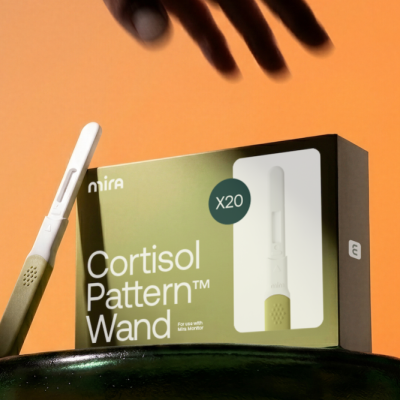
Mira launches at-home cortisol tracking kit

 Diagnosis4 days ago
Targeted nanotherapy shows endometriosis promise

 Pregnancy2 days ago
Parents given new right to two weeks’ leave after pregnancy loss