



One in three with early menopause face depression
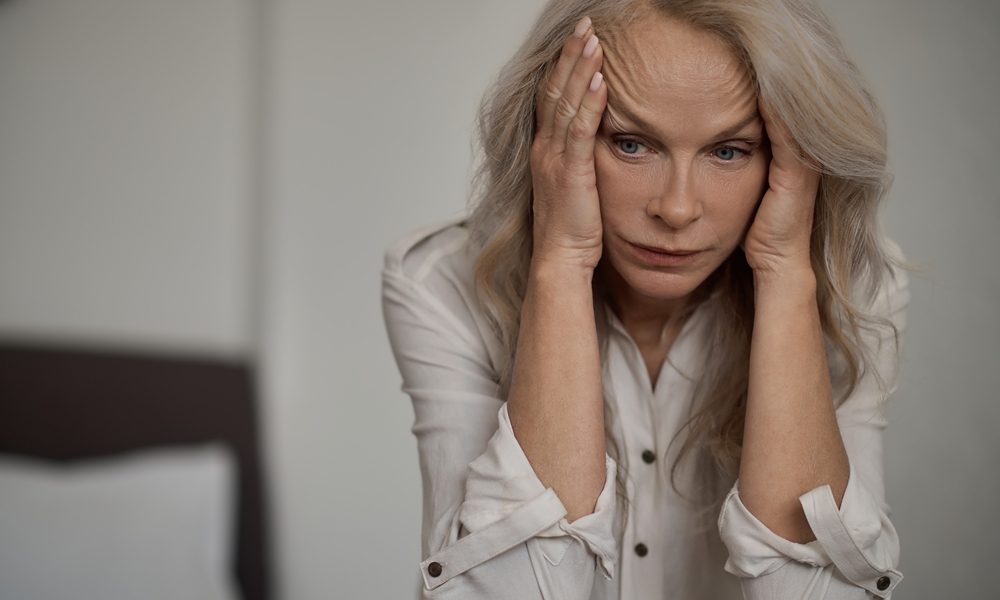
Nearly one in three women who experience menopause before age 40 suffer from depression, with fertility grief and lack of emotional support identified as key factors, new research has found.
The study found that women with premature ovarian insufficiency (POI) – when ovaries stop functioning before age 40 – had higher rates of depression than the general population.
Those diagnosed at a younger age were more likely to report symptoms.

Researchers analysed data from nearly 350 women with POI, assessing age at diagnosis, symptom severity, grief related to infertility, hormone therapy use, emotional support and genetic causes.
Psychosocial factors, rather than hormone levels or treatment, were the main drivers of depression.
Grief over unexpected fertility loss was the most significant contributor, followed by lack of emotional support and severe menopausal symptoms.
The researchers said: “Women who lacked emotional support were more likely to suffer from depression, reinforcing the understanding that a lack of emotional support increases the risk for depression.”
While severe symptoms were linked with depression overall, specific symptoms such as hot flushes and night sweats were not directly associated with mood disorders.
Hormone therapy – including oestrogen with or without progestogen – did not reduce depression risk.
No difference was found between women using oestrogen-progestogen therapy and those not using hormone treatment.
Women with a genetic cause of POI were found to have fewer depressive symptoms than those with other causes.
Dr Monica Christmas, associate medical director for The Menopause Society, said: “The high prevalence of depressive symptoms in those with primary ovarian insufficiency highlights the importance of routine screening in this vulnerable population.
“Although hormone therapy is recognised as the standard of care for those with primary ovarian insufficiency for management of some menopause-related symptoms and preventive care, it is not first-line treatment for mood disorders.”
POI brings physical, psychological and social challenges.
The resulting oestrogen deficiency can lead to symptoms such as hot flushes and vaginal dryness, along with increased risk of reduced bone density and cardiovascular disease.
For many, infertility linked to POI results in a loss of control, altered life roles, disrupted goals and feelings of stigma.
A recent meta-analysis found women with POI had 3.3 times greater odds of depression and 4.9 times higher odds of anxiety than those without the condition.
“Dr Christmas said: “Addressing behavioural-health concerns with evidence-based interventions should be part of any comprehensive POI care plan.”


Newsletter
Sign up for free weekly updates
The latest femtech news, research and investment, straight to your inbox.