




Planned birth at term reduces pre-eclampsia in high-risk women – study
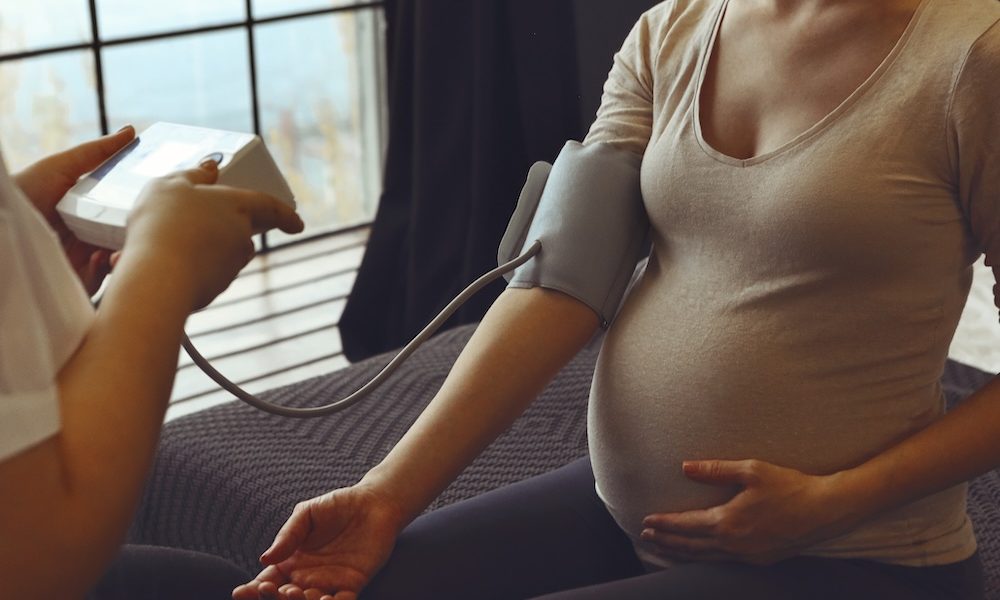
Planned birth at term reduces the incidence of pre-eclampsia in high-risk women without increasing emergency caesarean rates or neonatal unit admissions, a trial has found.
The PREVENT-PE trial is the first to find that screening for pre-eclampsia risk at 36 weeks of pregnancy, then offering planned early term delivery according to the mother’s risk, can reduce subsequent incidence by 30 per cent compared with usual care.
Pre-eclampsia is high blood pressure that develops during pregnancy, most commonly at term gestational age.

It affects 2-8 per cent of pregnancies worldwide and can be life-threatening, with around 46,000 maternal deaths and around 500,000 foetal or newborn deaths each year.

Kypros Nicolaides, founder and chairman of the Fetal Medicine Foundation which funded the trial, said: “A 30 per cent reduction in term pre-eclampsia, from 5.6 per cent to 3.9 per cent, is very important.
“It represents an even greater reduction in the number of pre-eclampsia cases than we can achieve for preterm pre-eclampsia with aspirin.”
The trial was led by researchers from King’s College London and King’s College Hospital NHS Foundation Trust.
It recruited over 8,000 women from King’s College Hospital and Medway NHS Foundation Trusts, who were randomly allocated into an intervention group or a control group receiving usual care.
Risk was assessed using a model that combines maternal demographics and history with blood pressure and specific blood markers.
Those at high risk were offered planned birth at 37, 38, 39 or 40 weeks of pregnancy.
Argyro Syngelaki, reader in maternal-fetal medicine at King’s College London, said: “This trial took place in busy NHS maternity units serving a highly diverse population, and often socially deprived communities where the burden of pre-eclampsia is greatest.
“The high level of participation and adherence shows that a personalised, risk-based approach is acceptable, practical, and aligns with what women want from their care.
“Achieving a 30 per cent reduction in term pre-eclampsia, without increasing emergency Caesarean birth or neonatal admissions, represents a meaningful and reassuring improvement for women, babies, and maternity services.”
Laura A. Magee, professor of women’s health at King’s College London, said: “We will soon report on the health economic implications of the trial, as well as the experiences of women and staff who participated, to provide policy-makers with the information that they need to implement the trial intervention within the NHS.”


Newsletter
Sign up for free weekly updates
The latest femtech news, research and investment, straight to your inbox.




