




News

A research group bringing together 1,400 cancer centres and 21,000 oncology researchers is collaborating with a life sciences firm to target new breast cancer treatments. ECOG-ACRIN Cancer Research Group (ECOG-ACRIN) and Caris Life Sciences have announced a multi-year research collaboration. Caris is pairing its genomic expertise and AI and machine learning algorithms with ECOG-ACRIN’s vast [...]
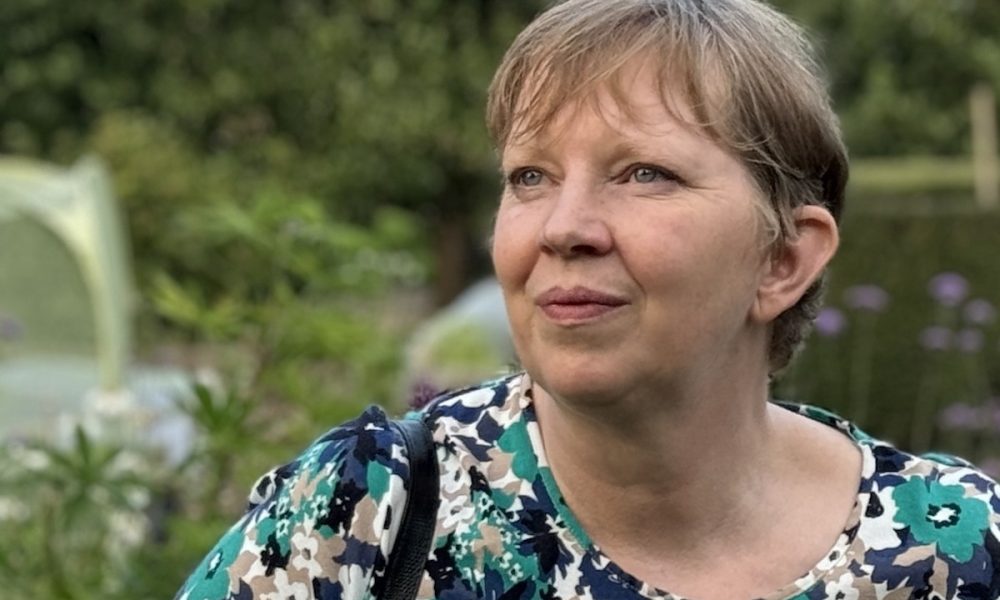
Data suggests millions of women in the UK aren’t being told their breast density, despite it being a risk factor for cancer. New research, published during Breast Cancer Awareness Month, has revealed a stark lack of awareness around breast density among UK women. Just under half (40 per cent) of women over the age of [...]

Clue, the menstrual and reproductive health tracking app, has announced the results of the largest study to date, examining the relationship between gastrointestinal (GI) symptoms, mood and the menstrual cycle. Led by researchers at Johns Hopkins University, the new study provides important insights into the complex link between GI and mood symptoms across the menstrual [...]

Women are more likely to receive good care during pregnancy where AI and other clinical software tools are used, a large review of research has found. In a paper published in eClinicalMedicine researchers have conducted a review of over 12,000 papers and 87 articles for different AI and related software tools, investigating the impact of [...]

A study suggests that menopausal hormone therapy (MHT) might have moderate effects on brain health, but this depends on past surgical history, the duration of treatment, and a woman’s age at last use. The research investigates the associations between MHT and brain health in a large population of UK women. Ovarian hormones such as oestrogens [...]

SiS Women’s Health, the global platform dedicated to advancing innovation in women’s health, has announced the launch of SiS NY, taking place on May 14-15, 2025, in New York City. Following the overwhelming success of its London event—“One of the best women’s health conferences this year,” said Valentina Milanova, Founder of Daye—which attracted over 100 [...]

A new AI system can accurately assess the chromosomal status of IVF embryos via time-lapse videos of the embryos and maternal age, data shows. The new system, called BELA, is the latest AI-based platform for assessing whether an embryo has a normal (euploid) or abnormal (aneuploid) number of chromosomes—a key determinant of IVF success. Unlike [...]
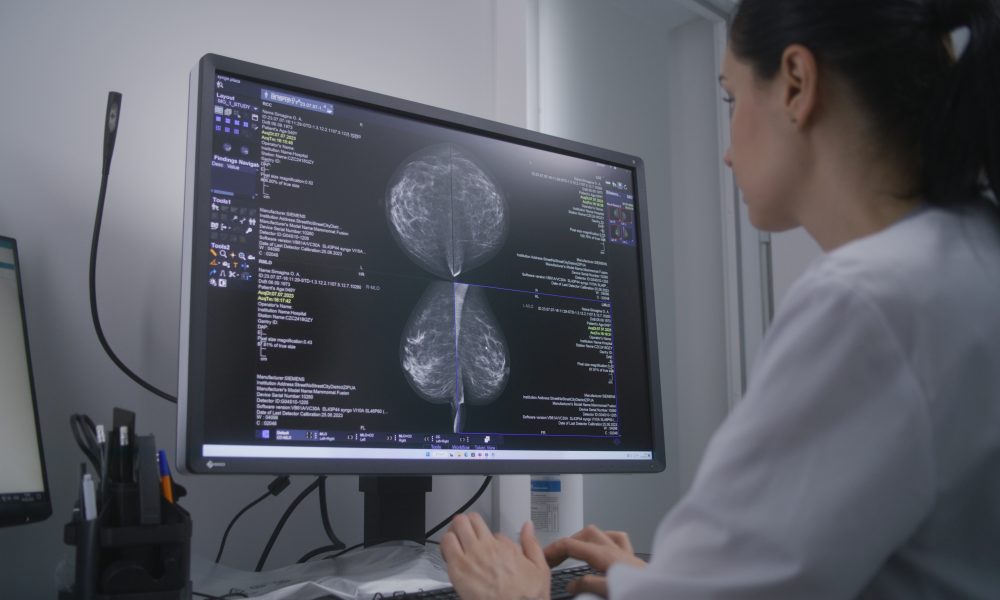
New findings have provided further evidence that anti-fibrosis drugs could improve outcomes from breast cancer. They come out of the progress of a new diagnostic test that could better predict breast cancer outcomes; building on a recent research breakthrough in identifying a connection between fibrosis and advanced stages of the disease. The link between breast [...]
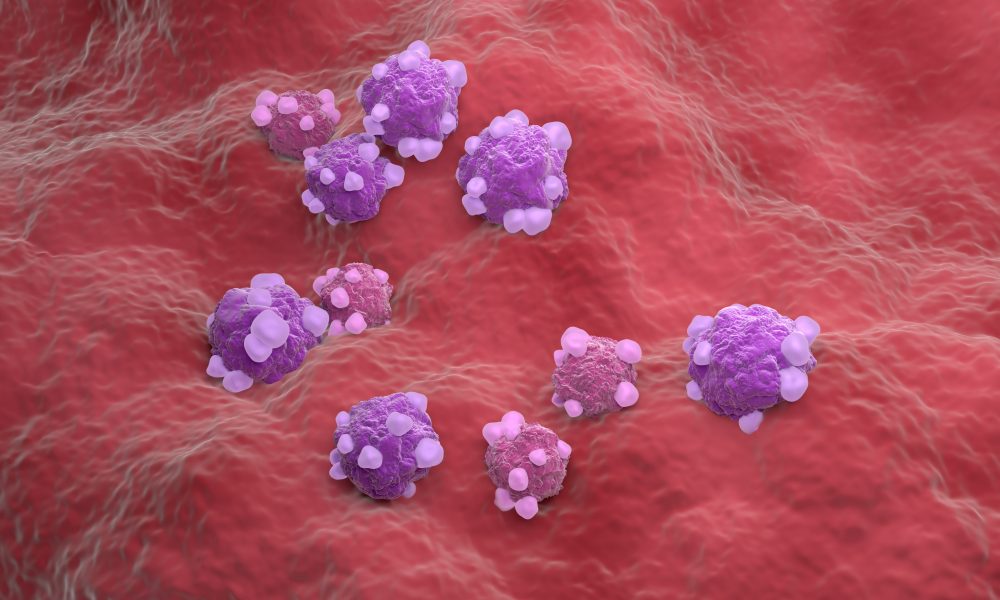
A combination of two drugs that can block the growth of cancer cells has shown promising results in women with a form of ovarian cancer that rarely responds to chemotherapy or hormone therapy. Study findings show that in 115 participants with low-grade serous ovarian cancer, 31 per cent saw their tumours shrink or stop growing [...]
A study of menopausal women in England has found that those in affluent areas are twice as likely to be offered hormone replacement therapy (HRT) than those in socially deprived areas. As the Guardian reports, the findings also show that women of Chinese or black African background are 80 per cent less likely to receive [...]
Newsletter
Sign up for free weekly updates
The latest femtech news, research and investment, straight to your inbox.




