



Cancer
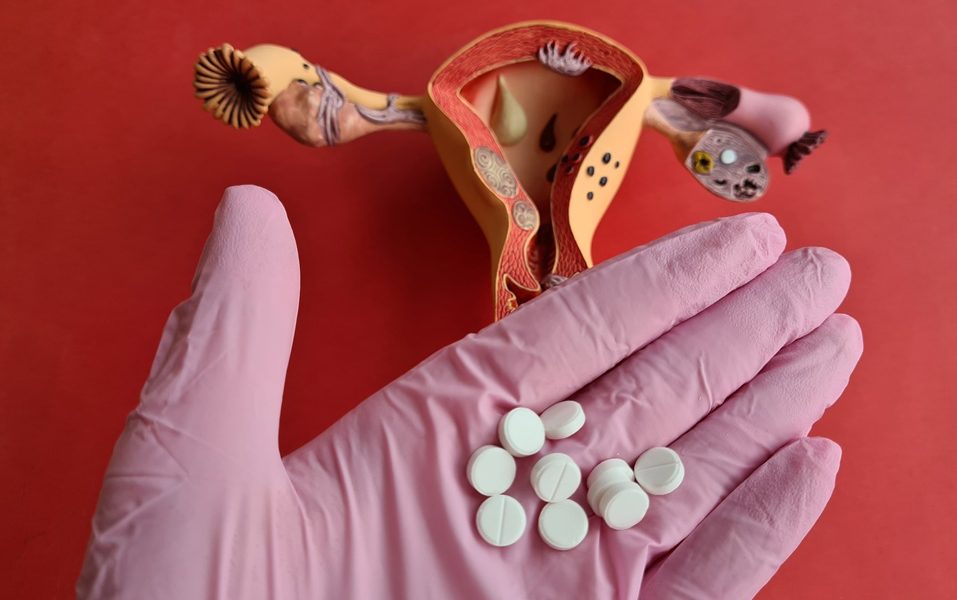
GSK said its ovarian cancer drug shrank or cleared tumours in more than 60 per cent of patients in an early trial as CCO Luke Miels pushes faster development. The company said that in an early-stage trial, Mocertatug Rezetecan, known as Mo-Rez, shrank or eliminated tumours in 62 per cent of patients with ovarian cancer [...]
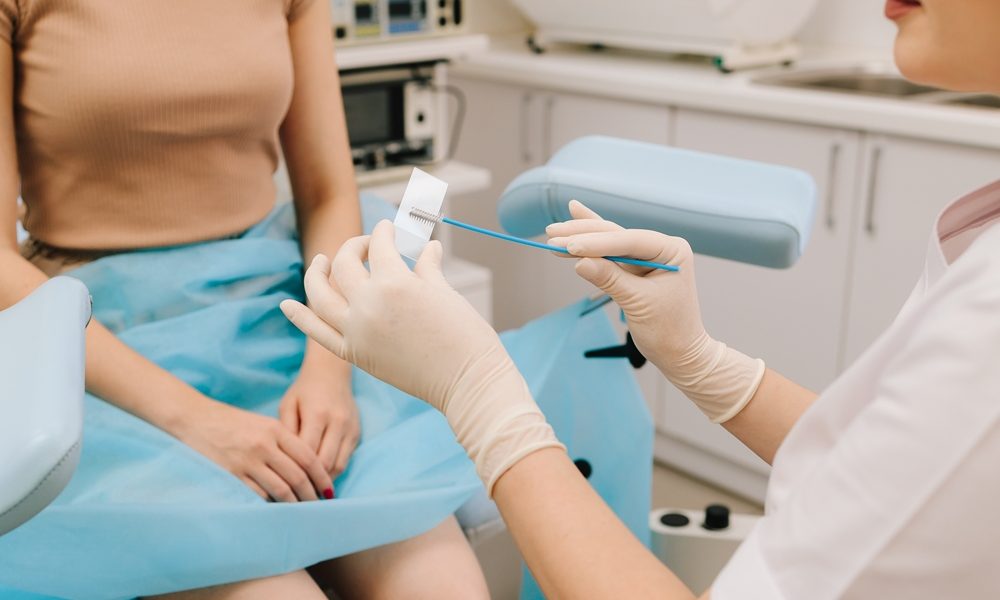
Article produced in association with Spital Clinic Cervical screening saves thousands of lives from cervical cancer in the UK every year. The programme has changed significantly in recent years, and understanding what it now involves — and what your results actually mean — is probably the most useful preparation you can do before your appointment. [...]
Australian startup Proseek Bio has raised AU$1.5m in an oversubscribed seed round to commercialise its ovarian cancer blood test. With up to 80 per cent of surgeries for suspected ovarian cancer coming back benign, the company says better diagnostics are urgently needed. Proseek Bio says its test is designed to support earlier and more precise [...]

The Femtech World Awards are celebrating the innovators revolutionising the way we diagnose and treat cancer in women. Cancer is a major public health and economic issue. Female breast cancer is the most commonly diagnosed cancer in the world, with an estimated 2.3 million cases diagnosed globally in 2020 alone. However, what once seemed impossible [...]

More than three million cells have been mapped, showing how breast tissue changes with age, with the biggest shifts seen during menopause. The research, described as the most detailed map of its kind so far, shows that as women age, all types of cells in breast tissue become fewer, those cells divide less often, and [...]

HRT patches used for menopause may be as effective as injections at preventing prostate cancer spread, a study suggests. Patches that lower testosterone by delivering oestradiol, a form of oestrogen, through the skin were found to be as effective as injections at stopping the cancer from spreading. Researchers at University College London investigated whether the [...]

Radiotherapy to the armpit instead of surgery may cut lymphoedema risk in some breast cancer patients, early trial results suggest. Lymphoedema is swelling of the arm or armpit that can happen after surgery to remove lymph nodes. New findings suggest axillary radiotherapy may be as effective at killing any remaining cancer cells while being less [...]

The FDA has approved a new treatment for ovarian cancer in adults with platinum-resistant disease after one to three earlier systemic treatments. The approval covers Lifyorli, also known as relacorilant, in combination with the chemotherapy nab-paclitaxel for adults with platinum-resistant epithelial ovarian, fallopian tube or primary peritoneal cancer. Patients must have received one to three [...]

A blood test could help guide breast cancer treatment for women aged 70 and over, a small study suggests. Researchers analysed blood samples from women with oestrogen receptor-positive breast cancer, a common type fuelled by the hormone oestrogen, who were considering endocrine therapy as their main treatment while forgoing surgery and radiation. Endocrine therapy works [...]

A gene linked to triple negative breast cancer could point to a new targeted treatment, researchers say. Triple negative breast cancer makes up about 15 per cent of breast cancer cases. This form of the disease can be more aggressive and harder to treat than other types, with fewer targeted treatment options available. It is [...]
Newsletter
Sign up for free weekly updates
The latest femtech news, research and investment, straight to your inbox.