




Cancer
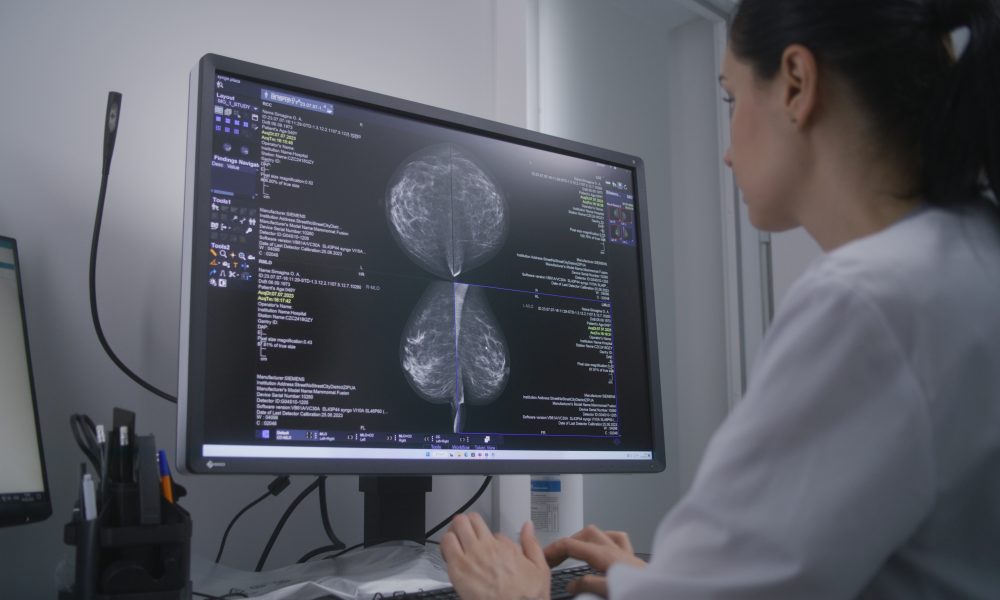
A new mammography system has been unveiled which has been designed to provide mammography technologists with a suite of tools that balance the demands of diagnostic accuracy and fast-paced workflows to facilitate more patient-centred breast care. Developed by GE HealthCare, the Pristina Via mammography system aims to minimise repetitive tasks and streamline workflows so that [...]

A new approach to treating ovarian cancer has been discovered that, in preclinical laboratory testing, shrinks tumours and improves survival rates while simultaneously making tumours more receptive to chemotherapy treatment. Ovarian cancer is the deadliest gynaecological cancer; patients with metastatic ovarian cancer have a 30 per cent chance of surviving for five years after their [...]
A new study from researchers at The University of Texas MD Anderson Cancer Center finds that, in healthy women, some breast cells that otherwise appear normal may contain chromosome abnormalities typically associated with invasive breast cancer. The findings question conventional thinking on the genetic origins of breast cancer, which could influence early cancer detection methods. [...]

A new study has identified multiple chemical exposures that firefighters face on the job that could increase their risk of developing breast cancer. It’s well documented that firefighters have significantly higher rates of cancer than the general population, and these elevated rates have been associated with exposures to toxic chemicals on the job. However, most [...]

A recent study has revealed new insight on mitochondrial dynamics and its likely role in the metastatic progression of breast cancer – the most commonly-diagnosed cancer in women across the globe. Shapeshifting mitochondria continually fuse and divide, but precisely how those dynamics influence metastatic progression has been unknown. The research, published in Science Advances, suggests that [...]

Researchers have discovered a way that ovarian cancer tumours manipulate their environment to resist immunotherapy and identified a drug target that could overcome that resistance. The study used a cutting-edge spatial genomics technology and preclinical animal models, with tumour specimens from ovarian cancer patients further validating the findings. The researchers found that ovarian cancer cells [...]
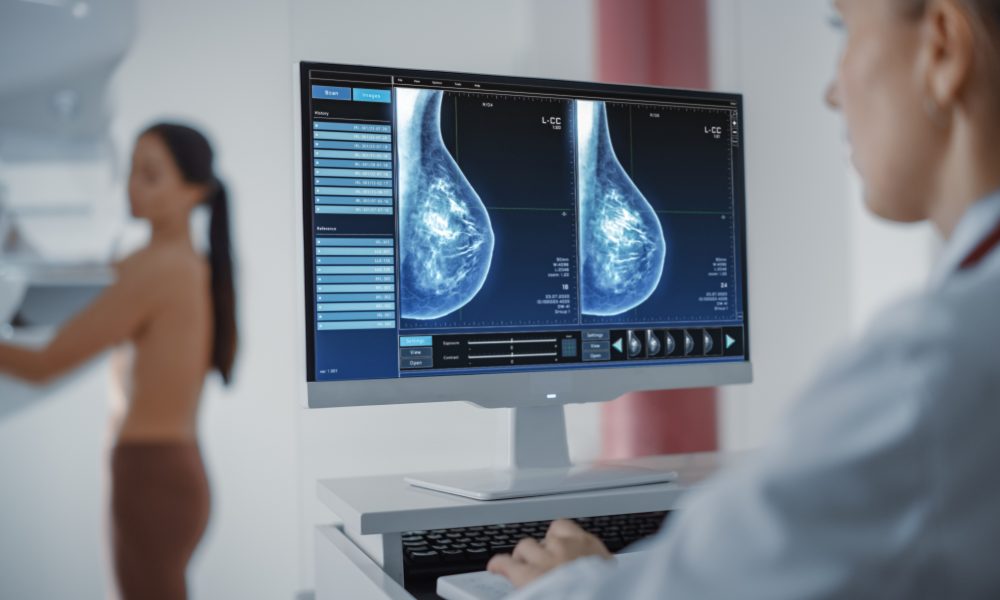
Scientists from the University of Sharjah say they have good news for breast cancer patients, particularly those afflicted with the most aggressive types of the malignant tumor known as triple-negative breast cancer. The study, published in the European Journal of Pharmacology, provides “new ways for the treatment of the special type of breast cancer called [...]

A research group bringing together 1,400 cancer centres and 21,000 oncology researchers is collaborating with a life sciences firm to target new breast cancer treatments. ECOG-ACRIN Cancer Research Group (ECOG-ACRIN) and Caris Life Sciences have announced a multi-year research collaboration. Caris is pairing its genomic expertise and AI and machine learning algorithms with ECOG-ACRIN’s vast [...]

Data suggests millions of women in the UK aren’t being told their breast density, despite it being a risk factor for cancer. New research, published during Breast Cancer Awareness Month, has revealed a stark lack of awareness around breast density among UK women. Just under half (40 per cent) of women over the age of [...]
New findings have provided further evidence that anti-fibrosis drugs could improve outcomes from breast cancer. They come out of the progress of a new diagnostic test that could better predict breast cancer outcomes; building on a recent research breakthrough in identifying a connection between fibrosis and advanced stages of the disease. The link between breast [...]
Newsletter
Sign up for free weekly updates
The latest femtech news, research and investment, straight to your inbox.




