




Cancer

A new screening method that combines laser analysis with a type of AI is the first of its kind to identify patients in the earliest stage of breast cancer, a study suggests. The fast, non-invasive technique reveals subtle changes in the bloodstream that occur during the initial phases of the disease, known as stage 1a, [...]

A new study has revealed the global prevalence of ovarian cancer along with the changing trends in rates. For the study, researchers analysed patterns and trends in ovarian cancer in 105 countries between 2013 to 2017. They found that rates of ovarian cancer have declined were in Europe, America, and Oceania, while there have been [...]

A clinical trials has shown that patients with intermediate-risk breast cancer had similar rates of ten-year overall survival whether or not they underwent chest wall irradiation (CWI) after mastectomy. To evaluate the impact of post-mastectomy CWI in patients with intermediate-risk breast cancer, researchers conducted the BIG 2-04 MRC SUPREMO Phase 3 clinical trial. The international [...]

A novel ultrasound technology is being utilised to accurately measure and monitor breast density, and in the process improve early detection rates and assess how at risk individual women might be from developing the disease. Approximately 70 per cent of breast cancers are detected in women with dense breasts, however, most women do not know [...]

An integrated polygenic risk score (iPRS) for personalised breast cancer risk assessment has been launched which reports five-year and lifetime breast cancer risk, offers individuals who receive a negative test result. The risk assessment has been launched by cell-free DNA and genetic testing company Natera and clinical whole genome analysis and polygenic risk modelling company [...]

A study in women with breast cancer suggests that low oral doses of hair loss drug minoxidil, taken during or after cancer treatment, appear to regrow hair in most patients and without causing any serious heart-related side effects that require additional therapies or hospitalisation. Led by researchers at NYU Langone Health, the new analysis included [...]

A groundbreaking Phase 1 clinical trial has explored a novel cell-based immunotherapy for breast cancer - a new treatment approach that aims to harness the body’s immune system to enhance patient responses and reduce the need for conventional chemotherapy and its associated toxicities. The trial involved 12 patients with locally advanced stage I-III HER2 breast [...]
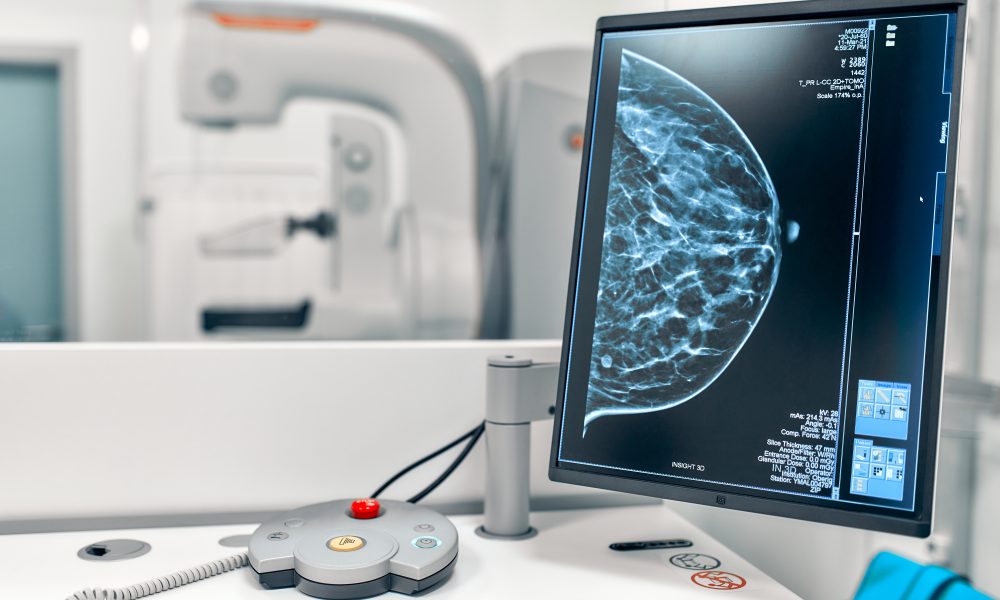
A new study describes an innovative method of analysing mammograms that significantly improves the accuracy of predicting the risk of breast cancer development over the following five years. Using up to three years of previous mammograms, the new method identified individuals at high risk of developing breast cancer 2.3 times more accurately than the standard [...]

An MRI-based imaging technique can predict the response of ovarian cancer tumours to treatment and rapidly reveals how well treatment is working in patient-derived cell models. The technique, called hyperpolarised carbon-13 imaging, can increase the detected signal in an MRI scanner by more than 10,000 times. Scientists have found that the technique can distinguish between [...]
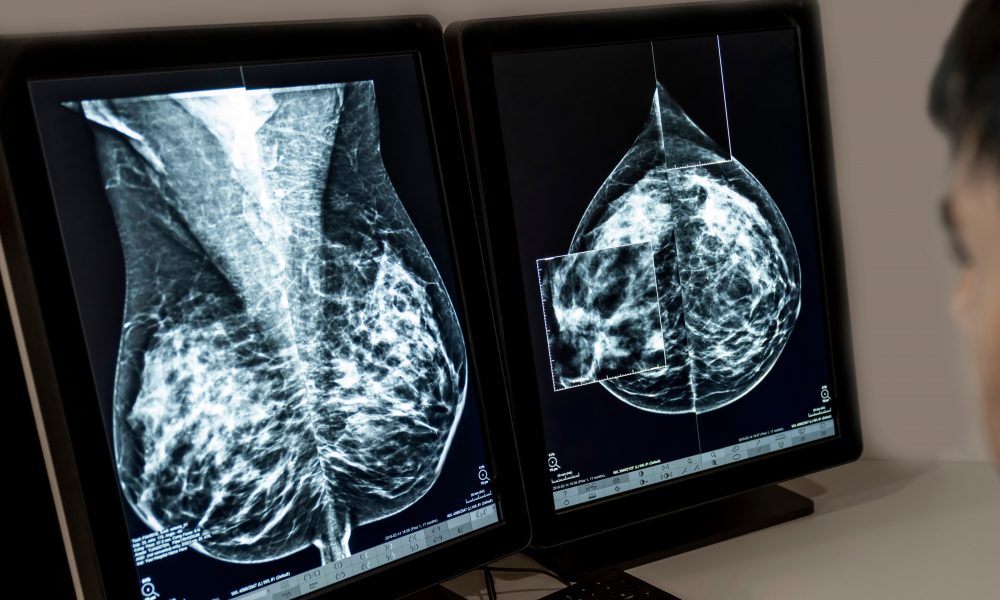
More than a third of women across 10 health care practices in the US chose to enrol in a self-pay, artificial intelligence (AI)-enhanced breast cancer screening programme, and the women who enrolled were 21 per cent more likely to have cancer detected, according to new research. AI has shown great promise in mammography as a [...]
Newsletter
Sign up for free weekly updates
The latest femtech news, research and investment, straight to your inbox.




