




Cancer

HRT (hormone replacement therapy) may not increase breast cancer risk in women with BRCA mutations, new research suggests. Women who inherit harmful mutations in the BRCA1 or BRCA2 genes, which help repair DNA, face elevated risks of ovarian and breast cancer. They are often advised to have their ovaries and fallopian tubes surgically removed (bilateral [...]

Routine mammograms could help assess cardiovascular disease risk in women, new research suggests. The study found that both the severity of calcium in breast arteries and how it progressed on mammograms predicted future cardiovascular disease. Researchers at Penn State College of Medicine analysed data from 10,348 women who had repeat mammograms, with an [...]

Telling women their breast density after screening was linked to higher anxiety and confusion than no notification, an Australian study suggests. Breast density is the proportion of glandular and fibrous tissue compared with fat. Dense tissue is a risk factor for breast cancer and can make mammograms harder to interpret. Women undergoing screening in Australia [...]

Femtech World explores the latest research developments in the world of women’s health. Fertility treatments linked to higher mutations than natural conception Mice that were conceived with IVF in the lab have slightly increased rates of DNA errors, or mutations, compared to pups conceived naturally, a new study suggests. While the results do not directly [...]

A new AI model can predict a person’s risk of developing breast cancer up to five years in advance by analysing mammograms. The technology could make screening more effective by identifying women who need additional imaging. In one study, women the algorithm flagged as high risk were four times more likely to develop breast cancer [...]

An overlooked fat-derived hormone may drive higher breast cancer death risk in postmenopausal women with obesity, an analysis suggests. The review identifies oestrone, a form of oestrogen produced in fat tissue, as a major driver of oestrogen receptor positive (ER+) breast cancer, the most common and deadly form of the disease in postmenopausal women. ER+ [...]

As new European research shows millennials are more likely to miss cervical cancer screenings than any other generation, experts warn that failing to address major barriers - from fear to family and workplace pressures - could undermine global elimination targets. Results from a survey of over 5,500 women aged 16-64 found that 31 per cent [...]
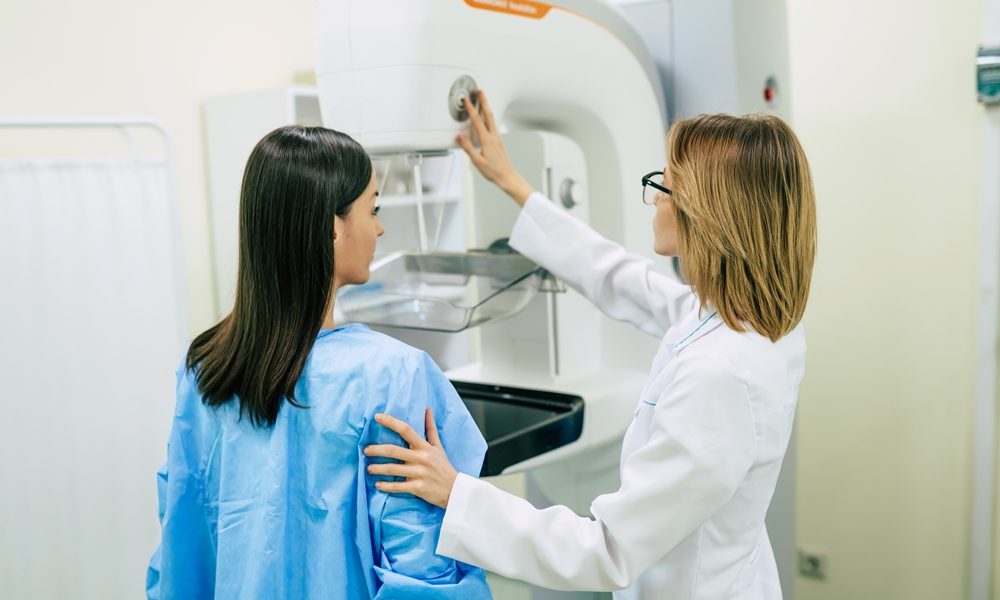
An artificial intelligence model predicts five-year breast cancer risk more accurately than traditional breast density assessment, new research shows. The image-only AI model, called Clairity Breast, showed that women in its high-risk group had more than a fourfold higher cancer incidence than those in the average-risk group (5.9 per cent vs 1.3 per cent). Breast [...]

Roche’s experimental oral drug giredestrant improved disease-free survival after breast cancer surgery in an interim late-stage trial, the company said. A scheduled interim analysis found the pill delivered a clinically meaningful improvement in keeping patients disease-free after surgery, outperforming standard endocrine therapy. Disease-free survival means the cancer has not returned after treatment. Roche announced the [...]

Manta Cares has secured US$5.4m to expand its digital cancer platform, which helps patients and care partners manage treatment complexity. The company offers a free platform to track symptoms, medications, appointments, treatment decisions and daily logistics. Founded and led by chief executive Samira Daswani, a breast cancer survivor and entrepreneur, the company aims to simplify [...]
Newsletter
Sign up for free weekly updates
The latest femtech news, research and investment, straight to your inbox.




