




Research

Light exercise and less sitting may reduce pregnant women’s risk of serious blood pressure complications, according to a new study. Researchers have proposed a daily activity and sleep guide that they say was linked to a nearly 30 per cent lower risk of hypertensive disorders of pregnancy. The suggested pattern includes fewer than eight hours [...]

Pregnant women’s expectations about postpartum sleep may predict sleep quality after birth, outweighing prior sleep and psychiatric history, a study suggests. The findings suggest attitudes and beliefs about sleep during pregnancy could be a modifiable risk factor for postpartum sleep concerns. They also indicate that, among women expecting the poorest sleep, higher postpartum anxiety may [...]

A vaccine trial will test whether an mRNA jab can help stop precancerous cells developing into bowel and ovarian cancer in people with Lynch syndrome. The first stage is due to launch this summer and will assess whether the jab can train the immune system to recognise and eliminate precancerous cells before cancer develops. Around [...]
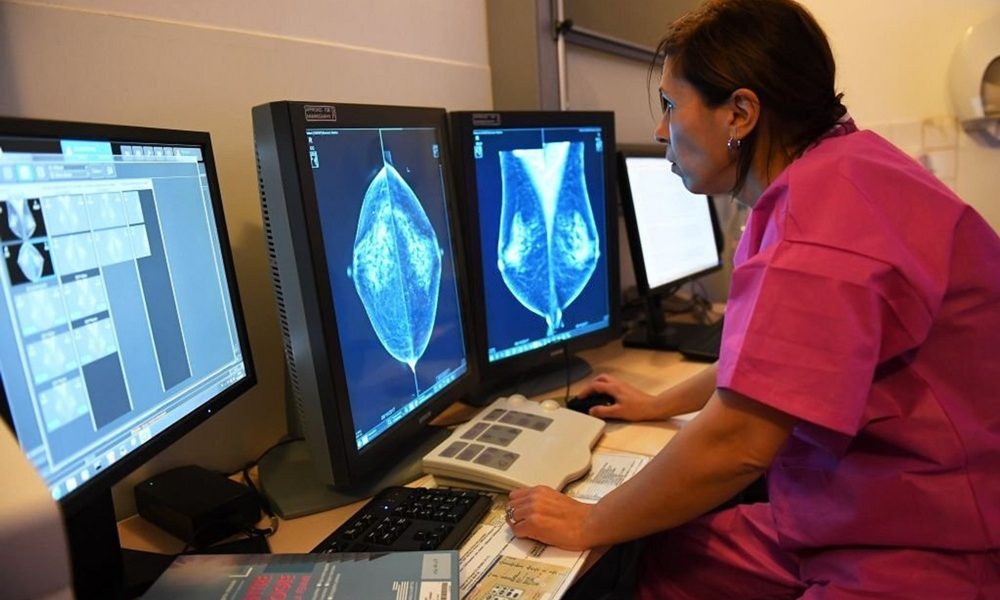
Changes in lymph nodes may help show which breast cancer patients face higher or lower risk of the disease spreading, researchers have found. The findings could support more tailored care, new treatments and help more people avoid unnecessary treatment. Dr Simon Vincent is chief scientific officer at Breast Cancer Now, which funded the [...]

A four-week Pilates programme may improve heart, metabolic and stress measures in previously sedentary women, a small study suggests. Pilates is a mind-body form of exercise that has been linked to better fitness, balance, posture, muscular endurance, mental wellbeing and quality of life in different groups. Built around breathing, concentration, control, precision, centring and flow, [...]

Female sex may not raise stroke risk across all atrial fibrillation (AF) patients, with higher risk mainly seen in women aged 75 and older, a study suggests. Researchers said stroke prevention for women with the condition should be more personalised, especially for patients under 75. Dr Amitabh C Pandey, director of cardiovascular translational [...]

AI may help speed breast cancer diagnosis for high-risk women after abnormal mammograms, a study suggests. Women with abnormal mammograms often wait weeks to learn whether they have breast cancer. Researchers at UC San Francisco and UC Berkeley said an AI-guided workflow could help reduce that wait by quickly identifying those most likely to have [...]

Type 2 diabetes diagnoses are rising twice as fast in women under 40 as in women over 40, new data shows. Type 2 diabetes is a serious condition and can lead to complications such as heart attacks and strokes. When it develops in younger people, it can be more aggressive and have more severe and [...]

A genomic test may help some women with breast cancer avoid chemotherapy, with near-identical outcomes in an international trial. The findings suggest patients with a low test score could be treated with hormone therapy alone without increasing the risk of their cancer returning. Researchers said the results could support more personalised treatment decisions and spare [...]

Wearable technology could revolutionise how women understand and manage their menstrual and hormonal health, according to a major new review that assessed dozens of studies involving data from millions of participants. The review, which examined 40 studies with cohorts ranging from small pilot groups to nearly 19 million participants, found that devices such as the [...]
Newsletter
Sign up for free weekly updates
The latest femtech news, research and investment, straight to your inbox.




