




Oova and Oura pilot links menstrual hormones with sleep and recovery
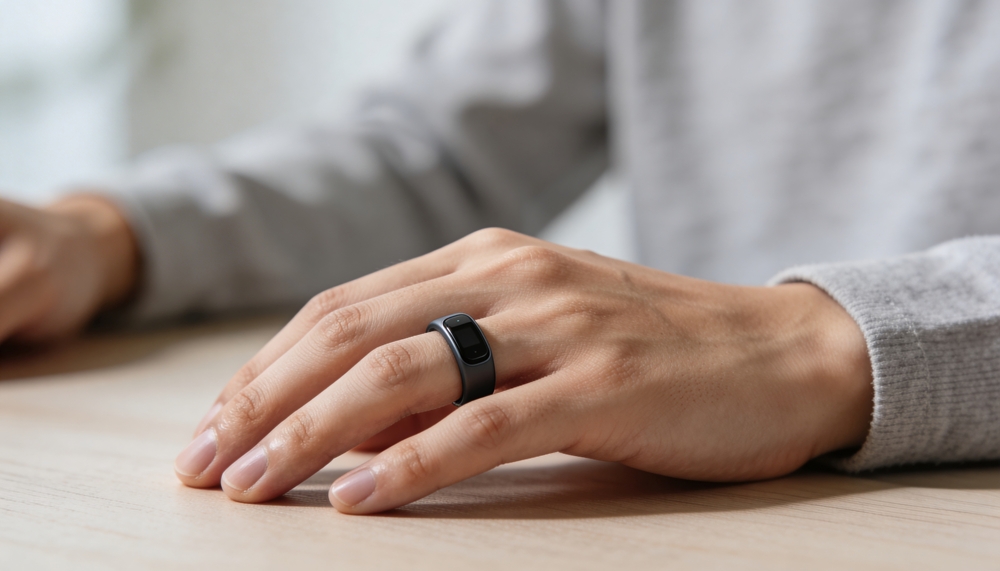
Sleep and recovery scores may dip around the hormone surge before ovulation, a pilot study involving six people suggests.
Researchers analysed 375 days of overlapping hormone and wearable data, identifying patterns across the menstrual cycle that were less apparent when each dataset was examined separately.
The findings are exploratory and were not tested for statistical significance. Larger studies are needed to establish whether the patterns can be reproduced.
The study, conducted by Oova with scientists at ŌURA, examined how daily reproductive hormone measurements aligned with sleep and recovery data recorded by Oura Ring.

Dr Amy Divaraniya, founder and chief executive of Oova, said: “Women have more access to information about their health than ever before, but we’re still learning how different biological systems influence one another.
“By bringing together Oura’s comprehensive physiological insights with Oova’s longitudinal hormone data, we’re beginning to uncover relationships that haven’t been well understood before.
“This research is an exciting first step toward a more connected, personalised understanding of women’s health.”
Researchers measured luteinising hormone (LH), which plays an important role in ovulation, alongside oestrogen and progesterone metabolites, substances produced when the body processes these hormones.
They compared these measurements with Oura Ring’s Sleep and Readiness scores.
The lowest average scores occurred around the LH surge, a rise in luteinising hormone that typically precedes ovulation.
Matching wearable measurements to hormone-defined menstrual cycle phases helped reveal differences that were less apparent when examining the data independently.
The results suggest hormone measurements could provide additional context for interpreting changes in wearable health metrics.
However, the small sample means the findings cannot establish whether similar patterns occur across a wider population. Individual responses may also differ.
The study suggests that combining biological measurements with wearable technology could help researchers better understand physiological changes throughout the menstrual cycle.
Wearable devices provide daily information about sleep and recovery, while hormone measurements may offer context for how those readings vary between cycle phases.
Researchers suggested this approach could eventually support more personalised interpretation of wearable data, rather than relying on individual scores or calendar-based cycle predictions.
Divaraniya said: “Wearables tell us a great deal about how the body is responding day to day.
“What we’re working toward is helping women put those changes into biological context. Hormone patterns are an important part of that picture.”
The findings follow earlier Oova research examining relationships between oestrogen patterns, sleep duration and anxiety among women experiencing perimenopause.
Researchers stressed that larger studies are needed to establish whether the observed relationships are reproducible and whether combining hormone measurements with wearable data could have practical applications in clinical care or consumer health monitoring.
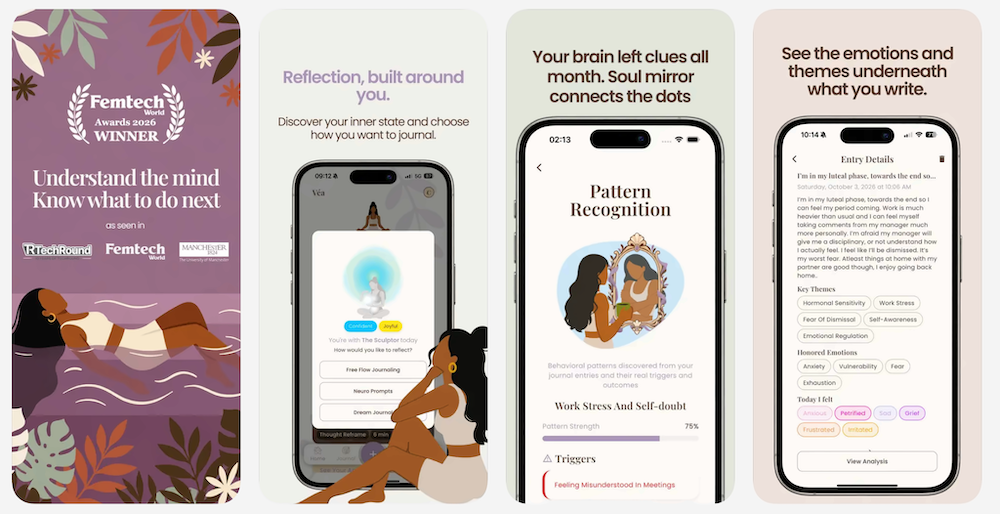 AI is entering its next frontier: Our health. But was it built to understand women?
Newsletter
Sign up for free weekly updates
The latest femtech news, research and investment, straight to your inbox.




