




Sweden eyes domestic production of oestrogen patches amid menopause treatment shortage
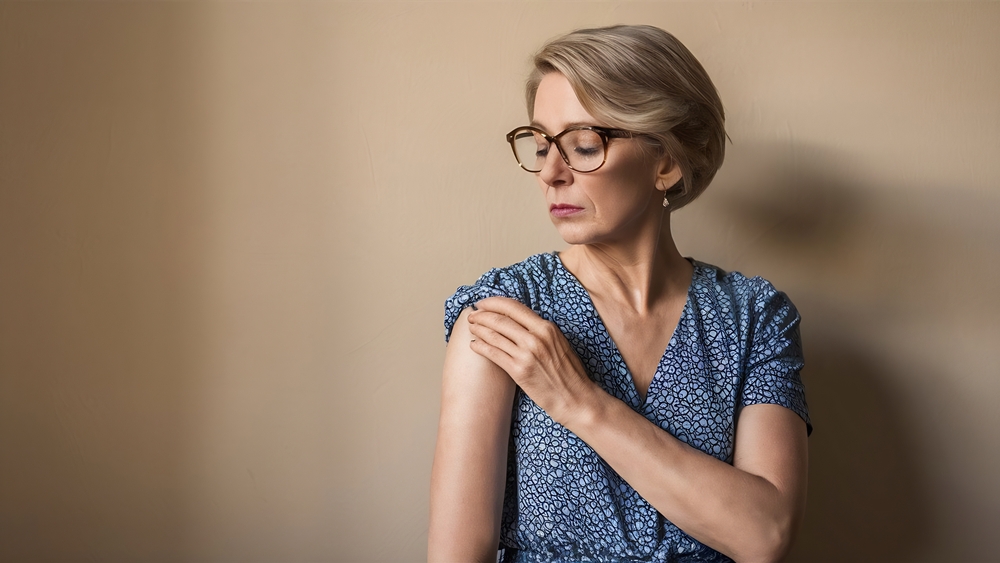
Sweden is exploring domestic production of oestrogen patches as shortages continue to disrupt menopause treatment.
Two government agencies have been asked to examine whether transdermal oestrogen patches could be made in the country.
Transdermal treatments deliver medicine through the skin, most commonly through patches, gels or sprays. They provide a continuous low dose of hormones.

The move follows a long-running shortage of oestrogen treatments that has left women struggling with menopause symptoms and forced pharmacists to look for alternatives.

Hot flushes, mood swings and depression are among the well-documented effects of menopause.
Jakob Forssmed, the health and social affairs minister, has asked the Swedish Medical Products Agency and the Dental and Pharmaceutical Benefits Agency to examine whether the patches could be produced in Sweden.
Speaking to Dagens Nyheter, Forssmed described the assignment as “very urgent”, citing recurring shortages affecting women who “need these medications to lead a functional life”.
The Swedish Medical Products Agency will examine whether a national operator could produce bulk transdermal formulations of oestrogen medicines and, where possible, prepare a process for production.
One possible manufacturer is the state-owned Apotek, Produktion & Laboratorier, which makes medicines tailored to the needs of the Swedish health system.
In 2025, about 205,000 women aged over 45 in Sweden were using systemic oestrogen treatment, according to a report from the Board of Health and Welfare.
That represents 8 per cent of women in the age group.
Transdermal oestrogen has become increasingly popular among menopausal women in Sweden. When patches are unavailable, some women switch to sprays and gels, which can then also run out of stock.
There is no shortage of oestrogen pills. However, experts say they are not a suitable option for everyone because of side effects that patches, sprays and gels do not have.
Angelica Lindén Hirschberg, professor of obstetrics and gynaecology at Karolinska Institutet, told Läkemedelsvärlden: “The pills affect the liver’s production of proteins and increase the risk of blood clots. For many women, the transdermal option, administered through the skin, is the only medically appropriate choice.”
Demand for hormone treatment has risen sharply in Sweden and globally, contributing to shortages.
Manufacturing constraints, supply chain bottlenecks and rising production costs are also said to play a role.
Läkemedelshandlarna, the Swedish association for parallel importers, has said access could be improved by allowing importers to buy hormone patches from other European countries at higher prices.
In response, representatives of the Swedish Medical Products Agency and the Dental and Pharmaceutical Benefits Agency said the causes of shortages needed to be seen “in a more nuanced light”.
They said: “The price level in Sweden is not the only explanation for the shortage of transdermal oestrogens, that is, oestrogen medications administered through the skin, most commonly via patches, gels, or sprays.
“Increased global demand and production issues are also affecting international supply.”
Estradot is among the oestrogen patches affected by shortages.
Some dosage strengths have been removed from Swedish benefit schemes by manufacturer Sandoz after authorities did not approve higher prices.
Under the government’s instruction, the Medical Products Agency will also consider whether access could be secured through EU mechanisms, including public procurement.
The Dental and Pharmaceutical Benefits Agency will examine whether more companies could hold marketing authorisations for transdermal oestrogen medicines, as well as whether parallel trade could be promoted.
The agencies are due to report back to the government by 30 October.
The Board of Health and Welfare report also found disparities in access to hormone patches across areas with different socioeconomic conditions.
In areas facing major socioeconomic challenges, 3.2 per cent of women collected hormone replacement therapy. In areas with very good socioeconomic conditions, the figure was 12.1 per cent.
Maja Österlund, an investigator at the agency, said: “These differences reflect a healthcare system that is currently unequal, and where we also know there is a shortage of certain medicines.”


Newsletter
Sign up for free weekly updates
The latest femtech news, research and investment, straight to your inbox.




