




Opinion
Nutrition tips for women during alcohol detox


According to the latest data from the Office for National Statistics, alcohol-specific deaths in females equate to 10.3 deaths per 100,000 women. It’s not just a number on a page, these are lives, families, entire stories cut short. The most common age for these deaths is women in their 50s. These figures have increased consistently over the last two decades. While the younger lot like Gen Z may be drinking less. for many women already in the danger zone, the damage has been building for years.
Alcohol affects everyone who drinks, there’s no doubt about that. But let’s be honest, for women it often hits faster and harder. This is mainly because of differences in body makeup, metabolism and the natural hormonal changes women go through. Plus, women have lower levels of an enzyme called alcohol dehydrogenase, which means their bodies process alcohol more slowly. All this adds up to stronger effects in the short term and more damage down the road.
Due to these biological differences, women face a higher risk of nutrient deficiencies, liver problems and bone loss — and the bone loss issue gets even more serious after menopause. These challenges make recovery a tough road. However, good nutrition can really tip the scales in your favour. When the body starts flushing out alcohol, it needs more minerals, vitamins and plenty of fluids to heal properly.
Nutrition matters during alcohol detox
During alcohol detox, the body goes through a period of repair. Long-term alcohol use often leads to malnutrition because alcohol interferes with how nutrients are absorbed. It also damages the digestive system and alters metabolism.
Women in particular may experience deficiencies in essential vitamins and minerals, including B vitamins, magnesium and calcium. These nutrients play a big role in keeping energy levels up, bones strong and the nervous system running smoothly. Without enough of these, everyday tasks can feel exhausting. You might find yourself running on empty more often than you’d like.
Good nutrition during detox isn’t just about staying healthy; it actually eases withdrawal symptoms. It also helps stabilise blood sugar and support liver regeneration. Foods rich in complex carbohydrates provide steady energy while protein helps rebuild damaged tissue. Antioxidants found in fruits and vegetables help fight off the oxidative stress your body faces after long-term drinking.
Hydration is also important as alcohol is a diuretic. Many women begin their alcohol detox in a dehydrated state. Drinking plenty of water and electrolyte-rich fluids, such as diluted fruit juice or coconut water, can ease symptoms such as headaches and fatigue.
Building a recovery-focused meal plan
A well-structured meal plan during alcohol detox should aim to restore nutrient stores, stabilise blood sugar and support the body’s natural repair processes. For women, this means combining macronutrients and micronutrients in a way that supports both immediate recovery needs and long-term health.
Eating balanced meals regularly helps keep your energy steady. Try pairing complex carbs like whole grains, sweet potatoes or legumes with lean proteins such as poultry, fish, tofu or eggs. This kind of combo helps keep blood sugar levels stable, which in turn can lower mood swings and cravings.
Healthy fats found in nuts, seeds, olive oil and avocados support hormone balance and brain health. Meanwhile, fresh fruits and vegetables are packed with antioxidants that help fight oxidative stress.
Staying hydrated is key, whether it’s water, herbal teas or nourishing broths. These fluids help flush out toxins and replace lost electrolytes. Try to cut back on caffeine and sugary drinks since too much caffeine can stress your nervous system and make things harder.
Getting professional guidance
Self-education and healthy eating habits can make a difference, but professional support means that you’ll have safe, balanced and effective nutritional strategies during detox. Detox places huge demands on the body and women may face additional issues due to hormonal fluctuations, menstrual cycle impacts or pre-existing health conditions.
Working with healthcare professionals such as doctors, dieticians and recovery specialists means you’ll get tailored advice based on individual bloodwork, medical history and personal recovery goals. For example, certain supplements or therapeutic diets may be recommended to address deficiencies in iron, B vitamins or magnesium that are common after heavy drinking.
Structured recovery programs, like those offered through an alcohol detox centre, often integrate nutrition into a wider plan of care. This can include meal planning, cooking classes and ongoing monitoring to track progress.
Beyond these benefits, having expert input can boost confidence and reduce the risk of becoming overwhelmed.
Supplementation during alcohol detox
When you’re detoxing from alcohol, your body is working overtime to heal and get back to normal. Sometimes, good food isn’t enough to fill all the nutrients gaps left by heavy drinking. That’s where supplements come in because they can really help speed up recovery. For women, topping up on certain nutrients is especially important, including:
- B vitamins (particularly thiamine)
- Magnesium
- Vitamin D
Thiamine (B1) is especially important because if it is depleted, it can increase the risk of neurological complications. Magnesium supports muscle relaxation, sleep and stress management. Vitamin D aids in bone health and immune function. Omega-3 fatty acids may also help reduce inflammation and support brain recovery.
Lifestyle habits to support nutrition and recovery
Nutrition is only one element of good recovery. Daily habits can make a significant difference in how the body responds to detox. Women should:
- Eat regular, balanced meals to help stabilise blood sugar levels. This will reduce cravings and mood swings.
- Ensure consistent hydration. This will support liver and kidney function while supporting the body’s natural detoxification processes.
- Take part in gentle physical activity. Yoga, pilates, swimming and walking are all great for stimulating circulation, while improving digestion and mood.
- Get adequate sleep. Aiming for 7-9 hours a night gives the body time to repair tissues, balance hormones and consolidate new habits.
- Manage stress. Meditation, journaling or breathing exercises also help reduce the risk of relapse as emotional triggers can be better managed.
- Surround themselves with supportive people. Friends, family or local peer groups can give women the stability they need during detox, both nutritionally and for long-term sobriety.
Final thoughts
Focusing on good nutrition during alcohol detox can make a huge difference for women by helping restore strength, repair damage and support long-term health. We all know quitting alcohol is tough and dealing with malnutrition makes it even harder. However, with healthy habits, professional help and a solid support system, recovery becomes much more achievable. Taking small, steady steps, each day can make the journey feel a lot more manageable and hopeful.


By Ruby Raut, founder, WUKA
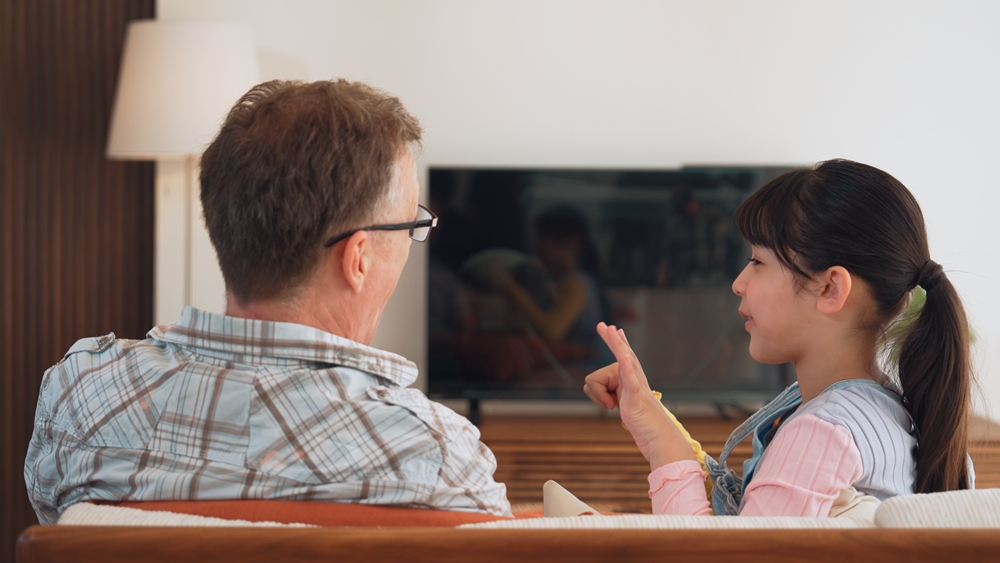
Every time we post a dad talking to his daughter about periods, the internet seems to split in two.
One side says: “This is brilliant. I wish my dad had spoken to me like this.”
The other says: “Why on earth are men talking about periods?”

And I always find that second reaction fascinating.
- Because men might not menstruate, but they live in a world with people who do.
- Your daughter might get her first period while you are the only parent at home.
- Your teenage niece might bleed through her clothes while you are driving her somewhere.
- Your girlfriend might wake up at 3am with cramps.
- Your wife might suddenly realise she has run out of period products.
- A colleague might bleed through her trousers during a meeting.
- A girl you coach might quietly tell you she cannot play because she has started her period.
At some point in your life, there is a very good chance a woman or girl will have a period around you.
And at that moment, you have two options. You can be calm, informed and useful. Or you can stand there looking as if nobody ever taught you what a period actually involves.
So perhaps we need a Haynes manual for men and periods. Not a biology degree or a lecture.Just the information every man should probably know.
First: yes, men should know what a period actually is
Let us start with the basics. A period is not simply “a bit of blood once a month”.
Menstruation is part of the menstrual cycle. The lining of the uterus builds up and, if there is no pregnancy, that lining is shed.
That is the bleeding part. But for many women and girls, the experience can also involve cramps, back pain, headaches, bloating, tiredness, diarrhoea, tender breasts, mood changes and generally feeling pretty rotten.
Some barely notice their period. Others are completely floored by it. This is important because one of the least helpful things you can say to somebody struggling with their period is:
“Is it really that bad?”
You do not need to experience period pain to believe someone when they tell you they are in pain.
Second: if a girl tells you she has started her period, do not panic
This one is particularly important for dads.
Imagine your daughter gets her first period while Mum is out. What does she need from you? Probably not a horrified expression or you shouting across the house, “YOUR PERIOD HAS STARTED!”
She needs you to behave as though this is an entirely normal bodily function.
Because it is. Ask her what she needs. Find her a period product. If there is blood on her clothes, help her sort it out without making a huge fuss. If she does not know how to use a pad or period underwear, help her find clear instructions.
And please do not make jokes about her “becoming a woman”.
For a young girl, a first period can already feel confusing, embarrassing and frightening. Your job is not to make it into a ceremony but to make her feel safe. Sometimes the most useful sentence a dad can say is simply:
“Okay. No problem. What do you need?”
Third: learn what period products actually are
Pads.Tampons.Period underwear.Menstrual cups.Period swimwear. You do not have to develop strong opinions about all of them. You just need to know they exist.
If someone asks you to buy pads, do not behave as though you have been sent into a nuclear reactor without protective clothing.
Go to the period aisle. Text them a photo if you are unsure. Ask which absorbency they want. Buy the product. Come home.
And if you are the father of a daughter, having a few period products in the bathroom before she starts menstruating is a very sensible idea.
You keep toilet roll in your house before somebody needs it. Period products should not feel radically different.
Fourth: never announce a period stain
This should be basic human etiquette.
If you notice that a woman or girl has bled through her clothes, tell her quietly and discreetly.
Do not point, laugh, or whisper about it to someone else. And definitely never announce it to the room.
If you have a jumper or jacket she can tie around her waist, offer it. If there is somewhere she can clean up or change, help her get there. Then move on with your life.
Period leaks happen. The embarrassment surrounding them is often far worse than the actual blood.
Fifth: stop using periods as an explanation for every emotion
“Are you on your period?”
Four words capable of making almost any disagreement significantly worse.
Sometimes a woman is angry because she is angry and sometimes she disagrees with you because she disagrees with you. Sometimes you genuinely are being annoying.
Hormonal changes can affect mood for some people, but using menstruation to dismiss a woman’s feelings is patronising and incredibly unhelpful.
If your partner says she feels emotional before her period, listen to her. That does not permit you to diagnose every future disagreement as PMS.
Sixth: period pain is not something every woman should simply put up with
There is an extraordinary tendency to tell girls from a young age that painful periods are just part of being female. For some, mild cramps are manageable.
For others, period pain can be severe enough to disrupt school, work, sleep, exercise and everyday life. So if your daughter is doubled over in pain every month, repeatedly missing school, fainting, vomiting or unable to function normally, do not tell her to toughen up.
Take her seriously and help her seek medical advice.
Being a supportive dad does not require you to know what is causing her symptoms. It requires you to believe her when she says something is wrong.
Seventh: men talking about periods does not take anything away from women
This is perhaps the strangest objection to our Dads and Periods campaign. The idea that periods somehow belong in a conversation that only women are allowed to have.
Women should absolutely lead conversations about their own bodies and experiences. But understanding periods should not be restricted to people who menstruate.
We teach children about digestion even though they are not gastroenterologists and about first aid even though most people are not doctors.
We teach boys about pregnancy even though they will never be pregnant. Knowledge is not ownership. A father understanding periods does not make periods less female. It makes him a better prepared father.
A boy understanding periods does not mean he suddenly understands exactly what menstruation feels like. It means he is less likely to laugh when a girl gets a stain on her skirt.
A male coach understanding periods does not make him an expert on women’s bodies.
It means a teenage player might feel able to tell him why she needs five minutes off the pitch instead of inventing an excuse.
A male partner understanding periods does not mean he has to track every detail of his girlfriend’s cycle. It might simply mean that when she says, “My cramps are awful today,” his response is not, “Again?”
So should men talk about periods?
Yes.
But perhaps “talk” is not even the most important word.
Men should know about periods. Men should be comfortable hearing about periods. Men should know what to do when someone starts one unexpectedly. Men should know how to buy period products. Men should know not to make somebody feel ashamed about bleeding.
And fathers, in particular, should be able to talk about periods with their daughters without embarrassment.
Because there is a bigger point here. Girls learn very quickly which subjects make adults uncomfortable.
If Dad goes silent every time periods are mentioned, she notices. If he leaves every period conversation to Mum, she notices. If he wrinkles his nose at period products, she notices. And she may quietly absorb the message that this part of her body is something men find disgusting or embarrassing.
That is exactly the message we should be trying to dismantle.
At WUKA, we started our Dads and Periods campaign because we want fathers to feel capable of having these conversations.
Not perfectly. Not scientifically. Not with a PowerPoint presentation about the uterus over Sunday lunch. Just normally. Periods happen.
Roughly half the population will experience them at some point in their lives. The other half should probably know what they are.
And if the choice is between a dad who knows what a period is, knows where the period products are kept and can calmly help his daughter when she needs him, or a dad hovering helplessly outside the bathroom shouting, “SHALL I CALL YOUR MUM?”
I know which one I would rather have.
Learn more about WUKA at wuka.co.uk


By Claire Pettengill, science intern and Jade Anstine, clinical AI intern, Ema EQ
Every year, Gallup asks Americans which professions they trust most. Every year, nurses win. Not doctors. Not scientists. Nurses. And if you spend any time thinking about why, the answer is not hard to find.
Medicine runs on the nurse noticing first. In other words, the diagnosis follows the nurse sounding the alarm. They ask questions that feel human, not procedural. They explain what is happening in language you can understand.
And, critically, they know when something is beyond their scope and get you to the right person without making you feel like a burden for needing more.
That is the model we built Ema on.
When we set out to build an AI companion for women’s health, we could have just built something that answers questions efficiently. Pattern matching. Fast retrieval. Clinically accurate outputs.
Those things matter, and Ema does all of them. But accuracy alone does not build trust, and trust is the entire game in healthcare.
A woman asking about her postpartum recovery, her fertility, or her breastfeeding supply is not looking for a search engine. She is looking for someone who will take her seriously.
Women’s concerns don’t just need to be ‘validated’; they also need to be believed. Dismiss a woman’s pain as anxiety once, and you’ve taught her to doubt her own body.
The nursing model of care is built on exactly that premise. It is care that is shaped by her story. It asks about context and symptoms.
It treats the person as a whole, and it recognises that the right answer is sometimes a referral, not a response.
We trained Ema to escalate. That may sound like a small thing, but in AI, it is a deliberate design choice.
Most AI systems are optimised to answer and maintain engagement. Ema is optimised to help, and sometimes helping means saying “you need to speak to a clinician” and making that path easy.
This matters especially in women’s health, where the clinical trust gap is well-documented.
In a 2022 nationally representative survey of over 5,000 women, nearly 1 in 3 reported that their doctor had dismissed their concerns, and 15 per cent said a provider simply didn’t believe them.
Women are more likely to have their symptoms dismissed, their concerns minimised, and their pain undertreated. Among women under 35, nearly half reported at least one of these experiences.
They have had to learn how to advocate within systems designed for efficiency, built on men’s health.
With Ema, every conversation is an opportunity to make a woman feel heard, informed, and directed to the right level of care, neither over-triaged nor undertreated.
The goal is not to replace clinicians. It is to create a trustworthy first point of support that listens carefully, explains clearly, recognises limits, and helps women move toward appropriate care.
The nurses who top those Gallup rankings every year earn that trust through consistency. They show up, listen, follow through, and know their limits.
Ema is simply that trust, built into technology. That is the standard we hold Ema to: a trustworthy presence that knows when to answer and when to hand off.
Medicine spent a long time teaching women not to expect to be believed. Ema is built by the people who never stopped listening.
Bios
Claire Pettengill is a psychiatric nurse and DNP-PMHNP candidate at Columbia University School of Nursing, specialising in women’s mental health across the lifespan and algorithmic justice – ensuring the AI tools shaping women’s care are built to actually listen. She joined Ema EQ as a science intern focusing on clinical safety standards for evaluating AI in women’s health.
Jade Anstine is a senior nursing student at Gustavus Adolphus College looking to bridge the gap between frontline medicine and digital health innovation. He joined Ema EQ as a Clinical AI Intern to assess the Ema AI model across different clinical populations, specifically pediatrics and LGBTQ+.

By Jane Lewis, chief operating officer, chief financial officer and women’s health lead, ABHI
For years, the conversation around women’s health has rightly focused on recognition.
Recognition that women wait longer for diagnosis. Recognition that symptoms are too often dismissed or normalised. Recognition that healthcare systems have historically been designed around male biology, leaving gaps in research, evidence and care.
That recognition matters. But awareness alone will not improve outcomes.
The challenge facing women’s health today is no longer simply identifying the problem. It is acting on the solutions already available.
At ABHI’s Women’s Health Summit earlier this year, leaders from across healthcare, government, academia and industry came together to discuss the future of women’s health.
One message emerged repeatedly throughout the day: we do not have an innovation problem.
Across medical devices, diagnostics, digital health and genomics, there are already technologies capable of transforming outcomes for women.
From self-sampling approaches for cervical screening and non-invasive diagnostics to AI-enabled tools and advanced imaging, innovation is happening. The question is whether healthcare systems can adopt it quickly enough.
Too often, promising technologies become trapped in pilot programmes, fragmented procurement processes or lengthy implementation pathways. Evidence generation, commissioning and adoption are frequently treated as separate challenges rather than part of a single journey.
The consequence is that innovations capable of improving quality of life and reducing pressure on health services take years to reach the women who could benefit from them.
This matters because women’s health extends far beyond reproductive health.
Historically, many discussions have centred on fertility, pregnancy and gynaecological conditions. These remain critically important, but they represent only part of the picture.
Women experience cardiovascular disease differently to men. They are disproportionately affected by autoimmune conditions. They face distinct health challenges throughout their lives, from adolescence to healthy ageing.

Jane Lewis
Yet healthcare systems often continue to approach these issues in isolation.
A woman does not experience her health in separate compartments. Pregnancy, cardiovascular risk, menopause, mental health and musculoskeletal conditions are interconnected.
Healthcare systems need to reflect that reality through more integrated, life-course approaches to care.
There has never been a better opportunity to do so.
Across the NHS, the shift towards prevention, community-based care and digital transformation aligns closely with the needs of women’s health.
Women’s Health Hubs are already demonstrating the benefits of bringing services together around the needs of women rather than organisational boundaries. Digital technologies are helping to identify risk earlier and support more personalised care.
Innovation can help deliver all three of the NHS’s major transformation ambitions: moving from treatment to prevention, from hospital to community, and from analogue to digital care.
But innovation alone is not enough.
Closing the women’s health gap also requires us to address longstanding gaps in research and evidence.
Women remain underrepresented in many areas of clinical research, and sex-disaggregated analysis is not always applied consistently. The result is that clinical pathways and treatment decisions are often based on evidence that does not fully reflect female physiology.
Better data, stronger research participation and greater focus on female-specific and female-predominant conditions will be essential.
There is also a compelling economic case for action.
Women’s health is often framed as an equality issue, and equality remains central. But poor health affects workforce participation, productivity and economic growth.
Improving outcomes for women benefits not only patients, but employers, healthcare systems and wider society.
Yet despite this, women’s health innovation continues to attract only a fraction of the investment directed towards other areas of healthcare.
That is beginning to change.
Across the UK and internationally, momentum is building. Governments, investors, researchers and innovators increasingly recognise that women’s health is both a societal necessity and an economic opportunity.
The conversation has moved on significantly in recent years. Topics that were once overlooked are now firmly on the policy agenda.
The next challenge is ensuring that awareness translates into action.
The technologies exist. The evidence is growing. The policy direction is increasingly clear.
ABHI is increasingly taking this agenda beyond national boundaries. Through our engagement with international industry associations, policymakers and healthcare leaders, we are working to ensure that women’s health is recognised as both a health and economic priority.
We are helping to shape discussions on innovation, regulation, investment and adoption, while sharing lessons from the UK with partners around the world.
Whether addressing the gender health gap, improving access to diagnostics or accelerating the uptake of new technologies, international collaboration will be essential.
The challenge now is not recognising the need for change, but delivering it.
Women have waited long enough for acknowledgement of the problem. They should not have to wait any longer for the benefits of the solutions that already exist.
ABHI is the UK’s leading industry association for HealthTech. Its members, ranging from multinationals to small and medium-sized enterprises (SMEs), develop and supply technologies spanning everything from syringes and wound dressings to surgical robots, diagnostics, and digitally enabled healthcare solutions. ABHI’s 400 member companies represent approximately 80% of the UK HealthTech sector by value.




 News1 week ago
UK femtech investment surges 194% in a decade, research finds
 Entrepreneur1 week ago
TidalSense raises £14m to expand five-minute COPD test across NHS
 Wellness2 weeks ago
Cancer patient receives ‘landmark’ treatment in world-first
 News1 week ago
Cross-Border Impact Ventures raises US$58m for women and children’s health
 Insight1 week ago
Women urged to be wary of menopause misinformation on social media
 Cancer2 weeks ago
Johnson & Johnson offers to pay US$5.5bn to settle talc cancer lawsuits
 News1 week ago
Cultural stigma is a barrier to menopause help, black women say

 Motherhood1 week ago
One in eight mothers diagnosed with gestational diabetes, research finds