




News
How Women’s Reviews Reveal Practical Menopause Relief


Understand the Importance of Shared Experiences
Women seeking advice about menopause often prefer hearing personal accounts from other women’s experiences that provide both hope and direction through sharing personal accounts of success or failure in terms of medicine or diet, for instance.
On online platforms, users are often given direct insight and input from both sides, providing direct accounts that offer them direct insight and can assist them on the journey ahead. They may also shed light on emotional aspects often left out of formal articles. When searching for impartial assessments of treatment efficacy, many turn to sites such as winona reviews to find honest assessments from people who have found relief using various approaches in relieving menopausal symptoms successfully.
Personal narratives may make an important impact; real accounts could illuminate potential breakthroughs not addressed by clinical research.
The Influence of First-Person Accounts
Women’s reviews often provide first-person accounts that address hot flashes, mood swings, and night sweats. Furthermore, these experiences provide practical tips, such as what fabrics or exercises may promote restful nights or restful slumber, along with incremental changes that make an impactful difference in daily life.
Such insights can have greater resonance than simply providing advice; they come from real people whose experience of symptoms provides more context. Furthermore, an individual story might inspire someone else to adopt a particular diet plan or supplement brand.
Do these stories offer all of the answers? No. Every person reacts differently to lifestyle changes and hormone therapy treatments, yet reviews provide an authentic perspective that cannot be found in official brochures or product descriptions – making them invaluable resources.
Spotting Common Threads
Women often describe sudden temperature shifts, increased fatigue, and mood shifts as challenges associated with menopause. If four out of five women report that cutting back on spicy foods helped alleviate these symptoms, then this might be something worth noting as an indicator.
Personal reviews often emphasize the benefits of various vitamins or herbal teas. Some reviewers may advocate magnesium as a sleep aid, while others might advocate taking daily walks as a means of lifting mood and decreasing stress levels. Although no single approach guarantees results, these themes can serve as useful guides when conducting experiments and trial-and-error processes on their own.
Reading multiple reviews can also help set realistic expectations. Not every solution works instantly – some may take weeks or months – so by identifying trends across reviews, readers form a more accurate depiction of what lies ahead.
Gathering Insights on Physical and Emotional Support
Menopause brings both physical and emotional changes, and reviews frequently emphasize the value of seeking support from friends or joining a support group during menopause to reduce feelings of isolation, while personal stories remind readers that mood swings and irritability are common responses due to hormonal shifts and not signs of weakness.
Reviewers often offer novel solutions such as guided meditation, yoga or journaling to alleviate mental strain and make life less challenging. Some reviewers have reported how simple breathing exercises have brought relief while others highlight how daily mindfulness activities have altered their perspective.
When seeking emotional coping methods, reading first-person accounts from those who have used these techniques can provide comforting reassurance. Reading reviews supporting similar techniques could give someone confidence to give these methods a try.
Comparing Different Treatment Options
Women’s reviews can provide invaluable insight into various treatment options. Hormone replacement therapy (HRT) is often discussed, with reviews often extolling its immediate effects while others express concerns over possible side effects; this wide array of feedback allows readers to effectively weigh potential benefits against risks.
Reviews often highlight natural supplements, specifically brands or ingredients, with users sharing experiences about how their symptoms improved after taking one capsule regularly. Such stories might catch the interest of those searching for more non-aggressive solutions to traditional medical treatments.
Reviewers often cite how diet changes such as increasing their consumption of leafy greens or decreasing caffeine have assisted with their condition, while some also use home remedies like drinking herbal infusions or soaking feet with Epsom salts as helpful measures; the best approach depends on individual results.
Reading Reviews Can Set Realistic Expectations
One of the key advantages of reading reviews is developing patience. Many writers provide firsthand accounts of their initial attempts and any adjustments required; others discuss any modifications necessary; by reading these experiences, newcomers may approach menopause symptoms more realistically.
Not every idea provides instantaneous relief; rather, many women report gradually adapting their routines over time to find some relief. While each body responds differently and reading real accounts helps people realize that trying a method for only one week might not produce tangible benefits; perseverance often pays off!
Focusing too intently on any single solution may lead to disappointment; what works for one individual may not work for all. Reviews help demonstrate this need for flexibility.
Failed Projects Can Teach Us Something New
While success stories tend to grab our attention, failure can provide just as valuable an education. Women have reported how certain products or exercises provided no results while other detailed how certain diets caused stomach distress – this information encourages readers to be vigilant and informed before making their choices.
Failure stories often reveal unexpected issues, like an undeclared health condition preventing progress. A deeper dive can remind everyone to consult their healthcare provider prior to trying new treatments; additionally, understanding what happened will allow others to avoid repeating similar errors in the future.
Reading accounts of setbacks can make the journey less lonely, offering hope that others have gone through similar trials and have made progress; even when things don’t go according to plan, reading about other avenues might provide insight into which would work better next.
Establishing an Online Community of Support
The internet provides people a place to come together. Women, in particular, often find solace online. Reviews frequently prompt comments or questions from readers which creates an environment in which one person’s story can spark conversations that lead to knowledge sharing for greater good.
Menopausal symptoms can feel isolating. Discussing hot flashes at work or discussing mood shifts at family functions may be challenging, yet digital spaces offer open conversations round-the-clock to allow women to share stories, link helpful articles, and give each other support and encouragement.
People can gain emotional and practical support by participating in these discussions and reading posts from these communities, which offer emotional and practical assistance that may alleviate symptoms of illness or distress. Over time, these communities will expand the amount of helpful advice available for anyone in search of relief.
Putting It All Together
Women have taken to various platforms, offering insight into coping with menopause. Real accounts highlight diet changes, emotional support techniques, and medical strategies as ways to address them, as well as all of the reactions each woman experiences during her transition. Reading multiple perspectives creates more realistic expectations while mitigating frustration from trial-and-error processes.
Reviews don’t replace professional guidance, but they can add valuable personal details that scientific data cannot. By learning from others’ experiences, readers may gain ideas tailored to fit their lifestyle more closely or become aware of warning signs or methods that don’t work so well – giving individuals and families plenty of options to consider when making decisions about healthcare needs.
Is it worth your while to read so many reviews? Many find the time well spent. When navigating the complex waters of menopause, each story may provide new insight and offer possible solutions that may bring long-term relief.


Australia’s drug advisory committee has recommended wider funding of triptorelin for women with breast cancer or endometriosis.
The recommendation comes after AstraZeneca announced plans to remove Zoladex from the market, risking leaving more than 7,500 women with breast cancer without an alternative treatment.
Both medicines block the release of oestrogen and testosterone and can be used as part of treatment, or for fertility preservation, in some forms of cancer.

The Pharmaceutical Benefits Advisory Committee met urgently in July and recommended making triptorelin unrestricted under the Pharmaceutical Benefits Scheme (PBS), which would mean it was funded for all uses.
The drug has been listed on the PBS for prostate cancer since 2006.
Triptorelin and Zoladex can also be used to treat endometriosis and to block puberty for either precocious puberty or gender-affirming care.
Vicki Durston, director of policy and advocacy at Breast Cancer Network Australia, described the recommendation as “a significant step forward” and said access to the medicine could mean the difference between life and death for some patients.
She said some women had already chosen to have their ovaries removed because of uncertainty over Zoladex supplies.
Marilla Druitt, Victorian state chair of the Royal Australian and New Zealand College of Obstetricians and Gynaecologists, said it remained unclear whether triptorelin would work exactly the same way as Zoladex, but the recommendation was likely to be positive for patients with endometriosis and pelvic pain.
She said: “I’m glad we’ve got an alternative.”
“That’s fantastic, and it remains to be seen whether or not it will be as good, but pain is so complex, pain is a really hard thing to study because it’s got so many contributors.”
Druitt said further research would be needed after the medicine was introduced.
If accepted by the federal government, the recommendation would also allow PBS funding of triptorelin for puberty suppression in precocious puberty and gender-affirming care.
This would make gender-affirming care federally funded through the PBS for the first time and would remove a financial barrier for transgender children in Queensland and the Northern Territory.
Stuart Aitken, medical director of Gender Health Australia, said the recommendation had sparked “absolute joy” among his patients.
He said: “It takes away a huge barrier to accessing evidence-based care.”
“It means that the ban has a very limited effect.”

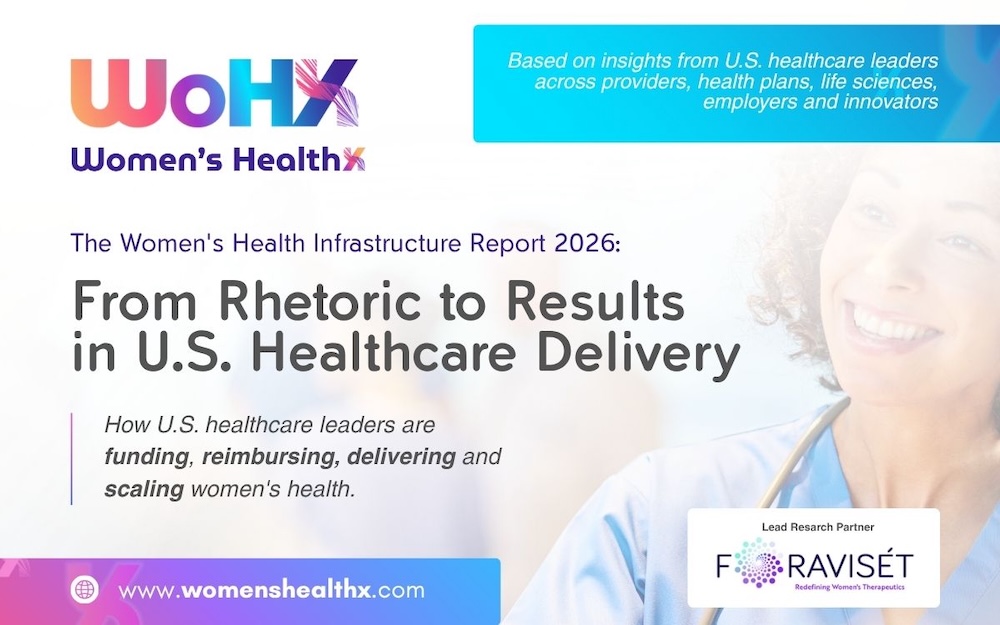
By Women’s HealthX
As healthcare organisations navigate tightening compliance mandates, evolving reimbursement frameworks, and shifting health economics, the single most critical asset for leadership is operational visibility into what their industry counterparts are executing right now.
Ahead of the Women’s HealthX marketplace in Boston this December, a cross-functional steering committee of health plans, hospital networks, biopharma innovators, and enterprise employers has launched the definitive 2026 U.S. Health Infrastructure Survey.
The objective of this brief, multi-state index is to bypass abstract market fluff and map out exactly how the country’s elite healthcare stakeholders are practically structuring their 2027 budgets, clinical protocols, and technology procurement guidelines.
Some of the questions we are asking:
- Health Plans & Payers “What is the biggest operational barrier to expanding women’s health coverage?”
- Health Systems & Providers “What is the biggest women’s health priority for health systems over the next 24 months?”
- Pharma & Life Sciences “What is the biggest commercial hurdle facing women’s health innovation?”
- Employers & Benefits Leaders “Which women’s health challenge creates the greatest workforce impact?”
By contributing just 60 seconds of your operational insight to the index, you will ensure your specific sector’s parameters are accurately represented.
In return for your participation, you will secure a priority, pre-ordered copy of the completed 30-page intelligence report when the final data drops this September!
See where your direct peer groups are drawing their line in the sand for the upcoming fiscal year.
Contribute 60 seconds and pre-order your national benchmark report
Women’s HealthX 2026 | From Rhetoric to Results
Encore Boston Harbor | December 3-4 2026
Bypass abstract market rhetoric to evaluate real-world health economics, regulatory compliance mandates, and care delivery systems.
Join the region’s foremost health plan medical directors, hospital COOs, biopharma innovators, and enterprise benefits buyers anchoring our 2026 tracks.

Sahar Abid is a Science Associate at Ema EQ, where she works on cultural sensitivity and bias in AI.
A woman asks an AI health assistant about postpartum depression.
She mentions that her in-laws are telling her to “push through” and skip medical help, even as her symptoms get harder to manage. She never says where she is from or names her background.
The assistant describes the condition and gives her a hotline number. It sounds correct, but it misses what she needs.
That gap is more common than the industry admits, and it points to a blind spot in how we test health AI for bias.
Most bias testing looks at what people explicitly say.
The typical way to check an AI for bias is to label a prompt with someone’s demographic details and see if the answer changes. That catches some problems but misses a bigger one.
Most people do not lead with their identity. They lead with their situation. The woman above told the assistant everything it needed to help her, just not in the form of a label.
Her real question was not only “what is postpartum depression?” It was “how do I get care when the people around me don’t want me to?
When family members hold sway over health decisions, and in many communities they do, advice that asks someone to overrule their family is not something they can act on.
The AI didn’t say anything factually wrong. It answered a different question than the one she was living.
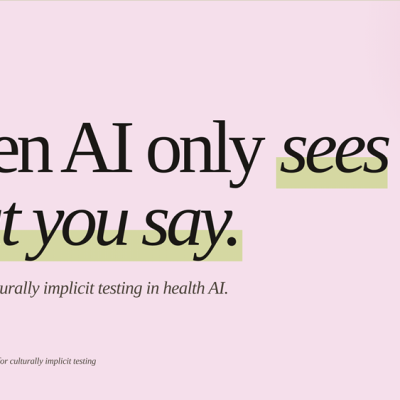
We call this culturally implicit bias, meaning the AI misses the cultural context a situation implies rather than the context a person spells out.
When systems are trained to notice only the explicit cues, they fall back on a default answer built for the majority. For everyone else, the response can feel generic, off-target, or discouraging enough that they stop looking for help.
In health, that is not small. The people most likely to be missed are often the ones the system already underserves.
What we set out to test.
At Ema, we wanted to know how well AI picks up on cultural context that is implied but never stated. So we built our own way to test for it, across a range of communities and real situations like postpartum depression and fertility, using questions that carried cultural meaning without announcing it.
The patterns were consistent. Models often missed the meaning underneath the question. They dropped the specific details a person did share and smoothed them into something generic.
And even when they pointed toward real care, they tended to offer one option instead of choices that might actually fit a person’s life. Any one of those can be the difference between someone following the advice and walking away from care.
Why this matters for anyone building health AI.
Getting this right is the right thing to do, and it also works better.
When an answer reflects a person’s real context, people trust and act on the recommendations more, so they get the help and support they need.
Testing for it is harder than the shortcut most teams use. Swapping a name or a demographic label in and out is easy. Checking whether a model actually understands the human context around a question takes more care.
The shortcut teaches models to perform cultural competence instead of practicing it. No matter how much or how little someone chooses to share, they deserve an answer that is warm, complete, and usable.
A better question.
The bar for equitable health AI should be “does it serve someone who never told you who they are?” It is the harder test, but it determines whether real people get help.
The work of getting there is far from finished, and it is exactly what we are building toward at Ema.
Sources: Naidoo, V., & Chadha, K. K. (2025), Culturally responsive AI chatbots: from framework to field evidence, Computers in Human Behavior: Artificial Humans. Souligne, N., & Subbian, V. (2026), FairLogue: A toolkit for intersectional fairness analysis in clinical machine learning models.









 News2 weeks ago
UK femtech investment surges 194% in a decade, research finds

 News2 weeks ago
Cross-Border Impact Ventures raises US$58m for women and children’s health
 Entrepreneur1 week ago
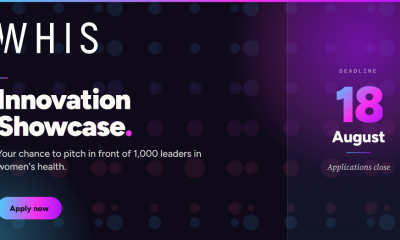
Applications close August 18 for Women’s Health Innovation Summit 2026 Innovation Showcase

 Menopause1 week ago
Third of women unaware of perimenopause mental health impact

 Hormonal health2 weeks ago
Menstrual data is missing a critical layer: The mind
 Entrepreneur2 weeks ago
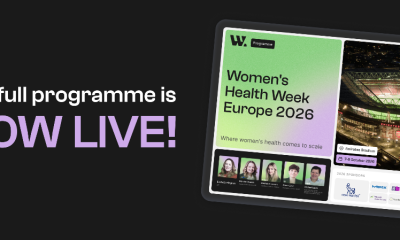
Women’s Health Week Europe 2026 releases fully populated agenda ahead of October summit

 Fertility4 days ago
Chelsea FC Women to launch first-of-its-kind player fertility fund
 Menopause1 week ago
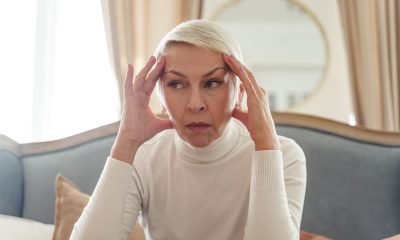
Menopausal hormone therapy may lower dementia risk, study suggests