Connect with us

Pregnancy

UK extends 24hr breastfeeding support helpline

Published

on

New mothers can now access breastfeeding support 24 hours a day after the government extended a national helpline.

The National Breastfeeding Helpline provides free, evidence-based information day and night – supporting families to overcome challenges that might prevent mothers from successfully breastfeeding their baby.

Breastfeeding can take time to establish, with some mothers worrying if their baby is feeding well enough, particularly in the days after birth. The helpline offers personalised advice from trained volunteers to address these concerns.

Run by the Breastfeeding Network and the Association of Breastfeeding Mothers, the service now operates around the clock.

Public health minister Ashley Dalton said: “Many parents will know the struggle of being up in the middle of the night, desperately trying anything to get your baby to feed.

“It can be incredibly overwhelming and deeply lonely.

“We are determined to make sure more women get the support they need through this vital 24/7 helpline.”

Data published by the Office for Health Improvement and Disparities in November shows the prevalence of breastfeeding at six to eight weeks in England increased to 52.7 per cent in 2023–24, up from 49.2 per cent the year before.

At the time, OHID said breastfeeding rates “are generally improving at local level in England”. However, disparities remain, with women in wealthier areas more likely to breastfeed than those in more deprived areas.

 Catherine Hine, chief executive of the Breastfeeding Network, said: “While some callers seek help for a wider range of infant feeding challenges, we know that almost nine in 10 (89 per cent) of callers are more confident to continue breastfeeding after contacting the helpline.

“Many women also call to talk about combination feeding, introducing solids, stopping breastfeeding and formula feeding.

“We’re really excited that shifting to a 24-hour service has been so popular and that our great team are being contacted by women and families throughout the UK and with a wide variety of backgrounds and infant feeding experiences.”

Minister for children and families Janet Daby said extending the helpline for 2025–26 is “just one part of a much bigger effort to transform how families are supported”.

The move is part of a wider £126m Family Hubs and Start for Life programme, which includes £18.5m to improve infant feeding support across 75 local authorities in England.

Earlier this month, the government announced there will be a Best Start family hub in every local authority in England by April 2026.

The £500m initiative is targeted at disadvantaged communities and described as a “one-stop shop” for families from pregnancy through to early years and beyond.


Fertility

France urges 29-year-olds to start families now

Published

on

France is urging 29-year-olds to have children as part of a 16-point plan to boost fertility and raise birth rates.

Health officials say the aim is to prevent men and women facing fertility problems later in life and thinking “if only I had known”.

The strategy comes as the country, like many western nations including the UK, faces tumbling birth rates.

The trend is creating concerns about how governments can fund pensions and healthcare for ageing populations with fewer younger working people paying taxes.

But policies to raise fertility rates globally have produced limited results, and critics of the scheme suggest better housing and maternity provision could be more effective.

The government will send out “targeted, balanced, and scientifically sound information” to young people on issues including sexual health and contraception.

The material “will also reiterate that fertility is a shared responsibility between women and men,” the country’s health ministry said.

The plan includes efforts to increase the number of egg-freezing centres from 40 to 70. The process involves extracting and storing a woman’s eggs for potential future use.

The country’s health system already provides free egg-freezing for people aged 29 to 37, a service that costs about £5,000 per round in the UK.

The country’s fertility rate of 1.56 children per woman is below the 2.1 needed to maintain a stable population.

However, it is higher than rates in China, Japan and South Korea, and the UK, where the latest figures show it dropped to a record low of 1.41 in England and Wales by 2024.

Professor François Gemenne, who specialises in sustainability and migration at HEC Paris Business School, told Sky News: “This is something that demographers had known for a long time, but the fact that there were more deaths than births in France last year created a shock effect.”

He said the country’s “demographic worry” is exacerbated by the design of its pensions system and its “obsession with immigration and the fear of being ‘replaced'”.

The plan also includes a new national communication campaign, a “My Fertility” website advising on the effects of smoking, weight and lifestyle, and school lessons for children about reproductive health.

The health ministry has acknowledged its maternal and infant mortality rates are higher than neighbouring countries and is beginning a review of perinatal care to address the “concerning” situation.

Channa Jayasena, professor in reproductive endocrinology at Imperial College London, told Sky News: “On the female side, societal changes leading to older age of motherhood are certainly important.

He said obesity was also a problem as it increased women’s risk of polycystic ovary syndrome and endometriosis.

Allan Pacey, professor of andrology (male reproductive health) at Manchester University, said for most people globally, deciding to have children was “down to [non-medical] factors such as better access to education, career opportunities, taxation, housing, mortgages, finance, etc.”

“Medicine can’t help with those things,” Pacey added.

Continue Reading

Ageing

Pregnancy and breastfeeding linked to higher cognitive ability in postmenopausal women

Published

on

Pregnancy and breastfeeding are linked to stronger cognition in postmenopausal women, a long-term study suggests.

Greater cumulative time spent pregnant and time spent breastfeeding correlated with higher overall scores in the study, including verbal and visual memory, in later life.

Researchers analysed annual assessments of more than 7,000 women aged about 70 for up to 13 years using data from the Women’s Health Initiative Memory Study and the Women’s Health Initiative Study of Cognitive Aging.

On average, those who were pregnant for around 30.5 months were expected to have a 0.31 per cent higher global cognition score than those who had never been pregnant.

A lifetime average of 11.6 months of breastfeeding was linked to a 0.12 per cent higher global score.

Each additional month spent pregnant was associated with a 0.01-point rise in overall ability.

Each extra month of breastfeeding showed the same increase, and a 0.02-point gain in verbal and visual memory. Although small, these effects are similar to known protective factors such as not smoking and high physical activity.

The work was led by Molly Fox, an anthropology professor at the University of California, Los Angeles.

Fox said: “Any ways in which we can focus public health outreach or clinical interventions towards higher-risk populations leads to more effective and efficient efforts.”

Participants who had ever been pregnant scored, on average, 0.60 points higher than those who had never been pregnant.

Those who had breastfed scored 0.19 points higher overall and 0.27 points higher for verbal memory than those who had never breastfed.

Women are disproportionately affected by Alzheimer’s disease, a progressive condition that impairs memory and thinking skills, and this is not fully explained by life expectancy differences.

The authors say biology and social factors may both play roles.

They noted that more adult children could contribute to cognitive health by buffering stress, supporting wellbeing or encouraging healthy behaviour.

“If we can figure out, as a next step, why those reproductive patterns lead to better cognitive outcomes in old age, then we can work towards figuring out how to craft therapies, for example, new drugs, repurposed drugs or social programmes, that mimic the naturally occurring effect we observed,” said Fox.

The study team is now working to identify the mechanisms that link reproductive histories to cognitive resilience.

Continue Reading

Pregnancy

Stroke prevention and treatment during and after pregnancy key to women’s health – AHA

Published

on

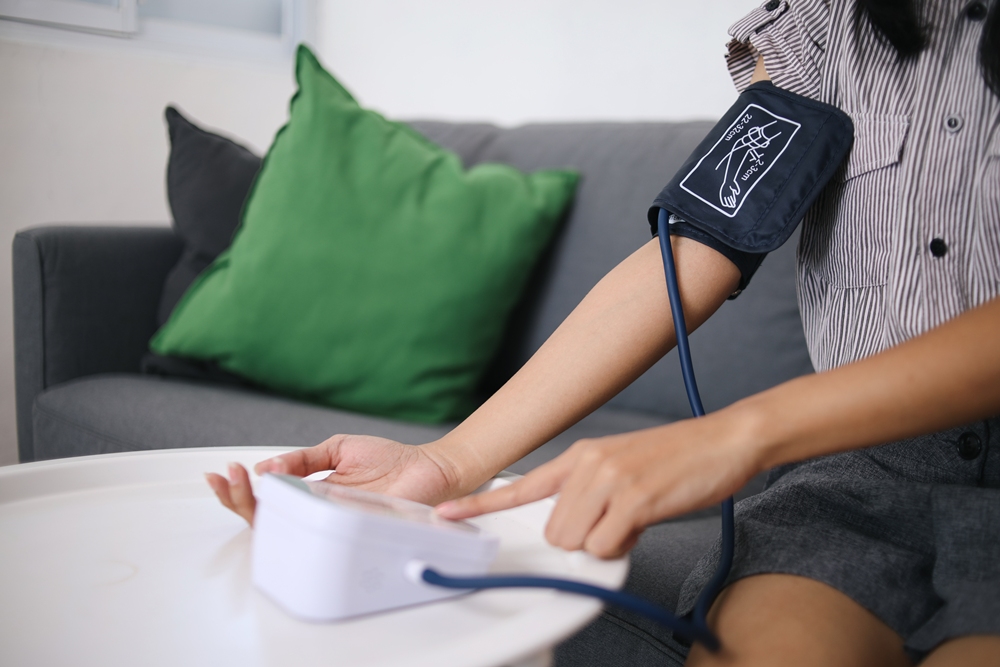
Stroke prevention requires aggressive blood pressure control and rapid recognition of symptoms in pregnancy and postpartum, a new scientific statement urges.

The guidance details risk factors for pregnancy-related stroke and offers suggestions for prevention, rapid diagnosis, timely treatment and recovery during pregnancy and postpartum.

A stroke occurs in approximately 20 to 40 of every 100,000 pregnancies and is estimated to account for around four to six per cent of pregnancy-related deaths annually in the US.

The statement was published by the American Heart Association and endorsed by the American College of Obstetricians and Gynecologists.

Eliza Miller is chair of the writing group and associate professor of neurology at the University of Pittsburgh.

She said: “When a stroke occurs during pregnancy or the postpartum period, it can lead to serious complications for both the mother and baby, including neurological deficits, long-term disability, increased risk of future strokes and death.

“Controlling blood pressure and other stroke risks before and after delivery, responding immediately to stroke warning signs and providing timely treatment can help save lives and improve outcomes for mothers and their babies.”

There are two types of stroke: an ischaemic stroke occurs when a blood vessel supplying blood to the brain is blocked by a clot, while a haemorrhagic stroke occurs when a blood vessel ruptures and bleeds into the brain.

Risk factors for pregnancy-associated stroke include chronic hypertension (high blood pressure before pregnancy or diagnosed before 20 weeks), preeclampsia (a dangerous condition causing high blood pressure in pregnancy), advanced maternal age (35 years or older), diabetes, obesity, migraine with aura, infections, heart disease and clotting disorders.

Stroke disproportionately affects people of racial and ethnic minorities. A 2020 meta-analysis found that pregnant Black women are twice as likely to have a stroke compared with pregnant white women, even after adjusting for socioeconomic factors.

The statement authors emphasise that the majority of maternal strokes are preventable with earlier and more aggressive blood pressure control.

“Preeclampsia and eclampsia can occur before, during or after delivery, and the early postpartum period is actually the highest risk time for stroke.

“Very close monitoring of blood pressure is essential,” said Miller.

The statement urges all healthcare professionals who care for pregnant patients, including obstetricians, family medicine practitioners and nurses, to be trained to recognise stroke symptoms so they can promptly start treatment.

“It is crucial for women who are pregnant or have recently given birth and have symptoms of new neurological deficits or severe headache, especially if they also have elevated blood pressure, to be immediately evaluated for possible stroke,” said Miller.

The authors emphasise that pregnancy is not a reason to delay or interfere with recommended treatment for acute stroke.

Various anti-clotting medications are available that are safe for pregnant and lactating women, and mechanical thrombectomy (surgical removal of a blood clot) may be needed for patients with large-vessel blockages.

Survivors of pregnancy-associated stroke face unique challenges such as caring for an infant and require support from a multidisciplinary rehabilitation team.

Mood and sleep disorders are common after stroke and may be intensified by postpartum factors such as hormonal shifts, breastfeeding and disrupted sleep.

Miller said: “Babies depend on their mothers’ well-being, and supporting recovery after stroke, both emotionally and practically, is essential so mothers can heal and families can thrive.”

Continue Reading

Trending

Copyright © 2025 Aspect Health Media Ltd. All Rights Reserved.