



Wellness
Newly-launched Female Health Hub will support grassroots football players


A new Female Health Hub launched by the English FA will support women and girls in grassroots football in England with trusted advice on health issues affecting play.
The hub brings together expert-backed guidance, practical tools and player insights in one place, giving women and girls practical advice and reassurance on female health in football.
It has four core aims: to help women and girls better understand their bodies and how female health affects performance and participation, to educate players on key health topics and when to seek further advice or support, to provide practical strategies to help navigate common female health challenges, and to help break down taboos and normalise conversations around female health in football.

Users of the hub will also be able to hear directly from members of the England women’s national team, who share their own experiences of navigating female health matters while playing at the highest level of the game.
“Our ambition is to create a game where women and girls can thrive,” said Sue Day, the FA’s director of women’s football.
“To achieve that, it’s essential that players feel supported in environments that understand and respond to their female health needs.
“We’ve heard directly from grassroots players that they want better information and support around female health, but that they often don’t know where to find it.
“The launch of the Female Health Hub marks an important step in changing the landscape.
“We want every player to feel confident in her own skin and supported without judgment, so she can feel empowered by her body, rather than held back by it.”
The platform was launched following research conducted by the FA that highlighted the need for better education and support around female health in football.
According to the FA, 88 per cent of adult players surveyed said their menstrual cycle has an impact on their ability to train or play, but 86 per cent reported they had never received education about the menstrual cycle in relation to football performance and training.
The research also found 64 per cent of women experience issues related to sports bras or breast health while playing football, despite sports bras being considered one of the most important pieces of playing kit.
Players also expressed strong interest in learning more about injury prevention, at 87 per cent, nutrition, at 84 per cent, and mental health, at 77 per cent, in relation to female health.
The first phase of the Female Health Hub focuses on three of the most requested topics: menstrual health, breast health and injury resilience, with further content to follow, including nutrition and pelvic health guidance.











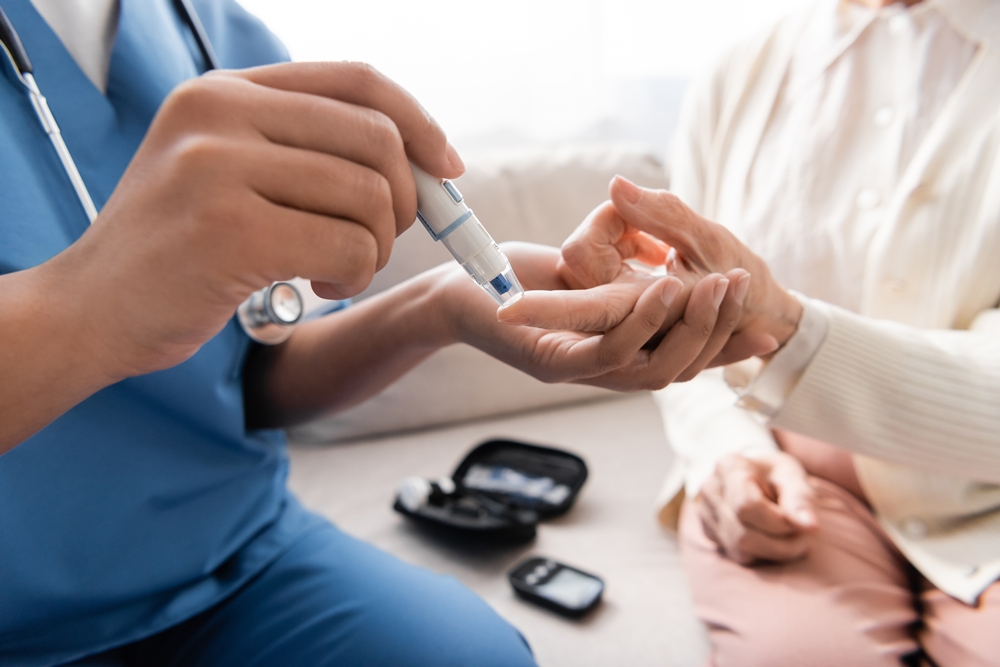
Women with diabetes are less likely to get preventive care than those without the condition, a UCLA-led study suggests.
The findings are based on an analysis of more than 40 studies from several countries.
They highlight how physicians largely overlook the importance of these routine services for women who have diabetes mellitus, or DM, putting them at risk of preventable medical conditions such as pregnancy complications.

Lauren Wisk is associate professor of medicine in the division of general internal medicine and health services research at the David Geffen School of Medicine at UCLA and senior author on the study.
She said: “These findings are important because they identify that women with diabetes are not receiving recommended well-woman care, which is essential to support both managing their diabetes and their overall health.
“Providers need to be aware that they should not forget to provide these essential services for women with diabetes.”
The researchers sifted through thousands of studies, focusing on the concepts of women, diabetes and women’s health services, and settled on 44 that addressed treatment services for women aged 15 to 49 with type 1 or type 2 diabetes, excluding those with diabetes insipidus or gestational diabetes.
They looked at four preventive health service categories: contraceptive counselling and use, breast and cervical cancer screening, pre-conception counselling, and screening for sexually transmitted infections.
One study found that 48 per cent of women with diabetes received contraceptive services compared with 62 per cent of women without the disease.
Nine papers showed cervical cancer screening rates ranging from 38 to 79 per cent for women with diabetes compared with 46 to 86 per cent for those without diabetes.
Four studies found that breast cancer screening rates for women with diabetes ranged between 38 and 69 per cent compared with 54 and 82 per cent for those without diabetes.
Fourteen studies found pre-conception counselling rates of just over 1 per cent compared with 46 per cent for women with diabetes who are planning to get pregnant.
The researchers did not identify any studies on screening for sexually transmitted infections, which they said represents “a substantial gap in the literature.”
The researchers wrote: “One of the more striking findings of this review is the importance of robust coordinated care teams in ensuring access to appropriate services for women with DM.
“Several of the identified studies provide support that a co-management model, or the concept of involving endocrinology, primary care, and other specialty care providers in the care of individuals with DM, as recommended by the American Diabetes Association, is associated with greater receipt of services.”
Within the time constraints of an office visit, primary care physicians are expected to address preventative health needs as well as chronic disease management, said Dr Lisa Kransdorf, an associate clinical professor of medicine at the Geffen School and a study co-author.
She said chronic disease management will often take priority.
“In cases where the patient has other providers such as specialists and clinical pharmacists actively involved in their chronic disease management, there is opportunity for primary care physicians to attend to preventative care gaps,” the researcher added:
There are some limitations to the findings.
The search yielded only 44 studies, many of which relied on patient recall, which can be unreliable, highlighting the need for further research.
In addition, most of the studies analysed had small sample sizes or were conducted at a single site, limiting how applicable the findings might be in other settings.
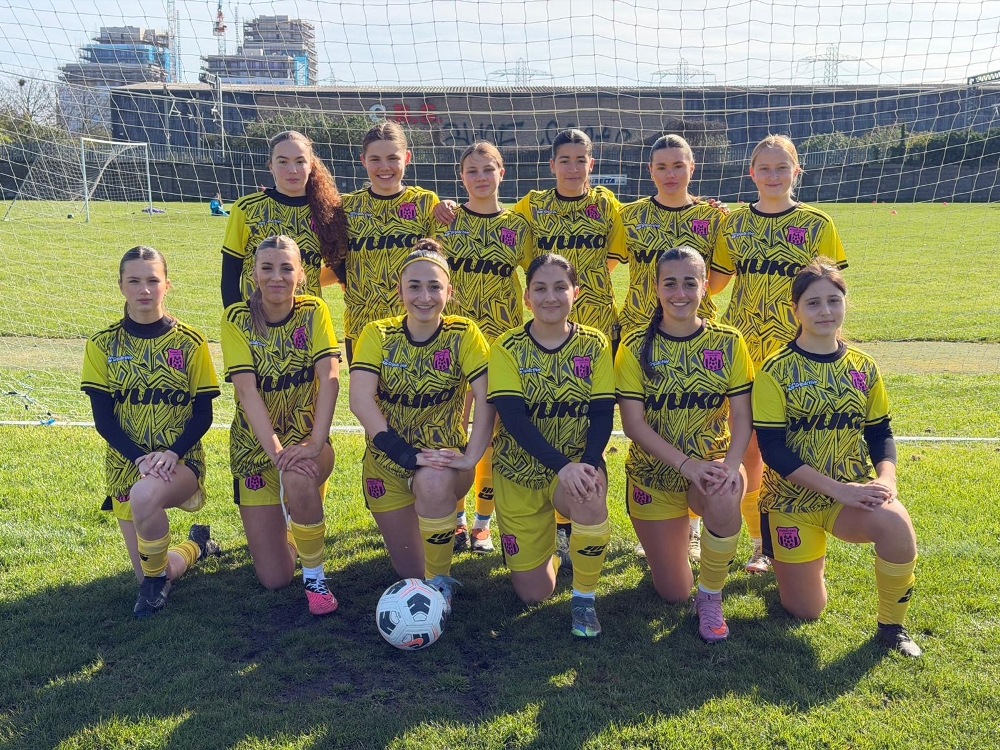
WUKA’s Tackle Anything campaign has officially reached their goal of supporting 6,000 girls across grassroots sports clubs in the UK – making a major milestone in the fight to keep girls in sport.
WUKA believes no girl should have to stop playing because of her period.
Yet for many young athletes, that’s still the reality. Fear of leaking through kit, managing cramps during training, or lacking access to sustainable period products continues to push girls out of sport.
The scale of the issue is impossible to ignore:
- 3 in 4 girls avoid sport and physical activity during their period
- This figure rises to 78 per cent among girls who have dropped out of sports.
- 43 per cent of girls drop out of sport after primary school
Source: https://womeninsport.org
That’s why WUKA, the award-winning, pioneering, female-founded period care brand, launched Tackle Anything – a campaign designed to support girls at grassroots level and create more period-inclusive sports environments from the very start of their journeys.
Since launching, the initiative has supported over 6,000 girls across a wide range of sports, including football, rugby, netball, roller hockey and taekwondo, reaching clubs in England, Scotland and Wales.
Through the campaign, clubs receive free WUKA Teen Stretch period underwear for young athletes, alongside expert-led period education delivered in partnership with 3x Olympian and Commonwealth, Euro & World Champion Hannah Miley MBE.
The programme helps coaches, parents and players feel more confident supporting girls in sport – both physically and emotionally
Continuing the Mission
While reaching 6,000 girls is a huge milestone, WUKA says the work is far from over.
The brand is continuing to expand Tackle Anything, with plans to support even more clubs and reach thousands more girls – ensuring that periods are no longer a barrier to participation in sport.
Because staying in the game shouldn’t depend on your cycle.
Founder and CEO of WUKA, Ruby Raut says: “At WUKA, this has never been about visibility – it’s about freedom.
“Freedom for girls to show up, play, and stay in sport without their period holding them back. Reaching 6,000 girls is a huge milestone, but for us, it’s part of a much bigger fight.
“We’ve already helped change the game, and we’re committed to continuing that progress.
“Every time we hit a goal, we set a new one — because this isn’t the finish line. It’s about shaping the future of sport and making sure the next generation grows up feeling confident, supported, and unstoppable.
Dean Wigzell (Head of Community Engagement at Kings Langley FC) adds: “The club is proud to be working with WUKA.
“Partnerships like this further reinforce our belief that our club is fast becoming the club to be at for young female footballers.”
The WUKA Mission:
WUKA – short for Wake Up Kick Ass – is on a mission to eliminate shame, silence, and stigma around periods.
Their commitment to menstrual equity in sport is starting where it matters most: at the beginning.
Because when you empower girls early, you don’t just keep them in the game – you change the future of the game itself.
Part of a Bigger Fight
This builds on WUKA’s wider activism – including their #AxeTheTax campaign, which successfully removed the tax on period pants, and continues to fight for true menstrual equity in the UK, including in sports.
Because access isn’t a luxury – it’s a right. WUKA is now making sure girls aren’t priced out of the game or made to feel like their period holds them back.
This isn’t just about products – it’s about freedom, fairness, and creating a level playing field for every girl.
To learn more about the campaign or explore how your club or organisation can get involved, visit: https://wuka.co.uk/pages/tackle-anything.












 Entrepreneur2 weeks ago
Three sessions that show exactly where women’s health is heading in 2026

 Ageing4 weeks ago
California plans US$3.4m menopause care overhaul

 Menopause3 weeks ago
Watchdog bans five ads for women’s heath claims

 Pregnancy2 weeks ago
How NIPT has evolved and what AI NIPT means in 2026

 Menopause3 weeks ago
Menopause has no lasting impact on cognition, research finds

 News2 weeks ago
Two weeks left to make your mark in women’s cardiovascular health

 Entrepreneur3 weeks ago
WHIS USA 2026 announces first ticket release for landmark Women’s Health Innovation Summit

 Entrepreneur3 weeks ago
Q1 momentum: Female founders are advancing, but the system still hasn’t caught up