




Fertility
Eight babies born using three-parent IVF in UK
Eight babies have been born in the UK using DNA from three people to help prevent severe inherited mitochondrial diseases.
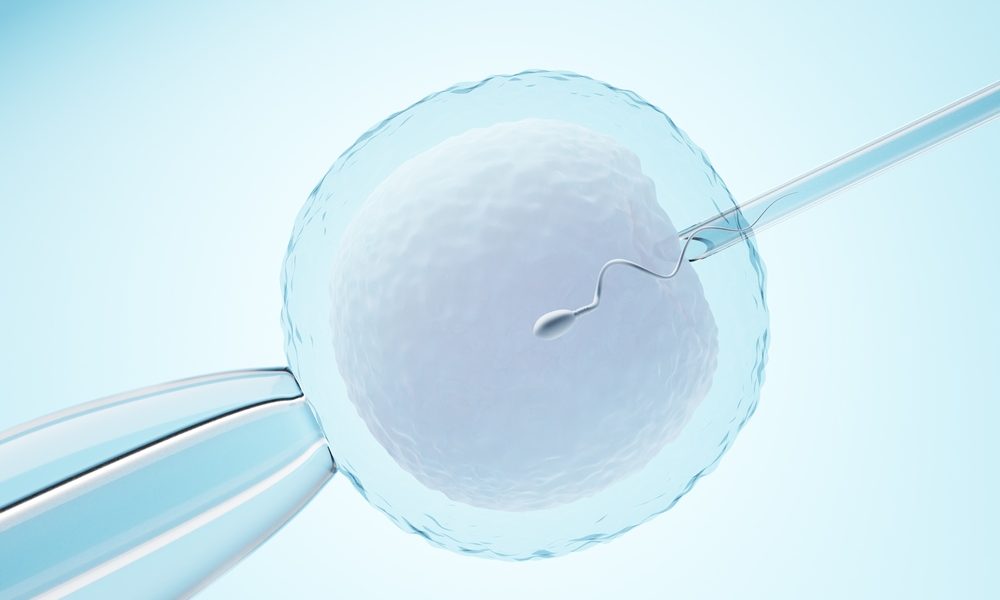
The procedure, known as mitochondrial donation treatment (MDT), involves combining genetic material from the mother and father with healthy mitochondria from a donor egg.
This prevents faulty mitochondria—structures that generate energy in cells—from being passed from mother to child, avoiding life-threatening conditions that can damage the brain, heart and muscles.
The mother of one of the girls said: “As parents, all we ever wanted was to give our child a healthy start in life.

“After years of uncertainty this treatment gave us hope – and then it gave us our baby … we’re overwhelmed with gratitude. Science gave us a chance.”
The four boys and four girls, including one set of identical twins, were born to seven women.
One further pregnancy is ongoing, and none of the babies show signs of the mitochondrial diseases they were at risk of inheriting.
Doctors said all eight children are developing normally and have shown no signs of mitochondrial disease.
One child developed a urinary infection that was treated, another developed muscle jerks that resolved on their own, and a third had high blood fat and a disturbance in heart rhythm, which was also treated.
This last condition was thought to be linked to a medical issue in the mother during pregnancy.
Professor Doug Turnbull from Newcastle University, who helped develop the treatment over more than two decades, said the outcomes were encouraging: “You are inevitably thinking it’s great for the patients and that is a relief.”
Professor Mary Herbert, also part of the Newcastle team, said having eight healthy births was “rewarding for all of us”.
Faulty mitochondria can cause rare but devastating illnesses, often appearing in early childhood.
Symptoms may include developmental delays, seizures and organ failure. About one in 5,000 babies is born with a mitochondrial disorder.
During MDT, the mother’s egg is fertilised with the father’s sperm. The genetic material from both parents is then transferred into a fertilised donor egg that has had its own nucleus removed.
The resulting embryo contains chromosomes from the parents and healthy mitochondria from the donor.
Insight
Covid vaccine not linked to decrease in childbirth, study finds
Insight
Parents sue IVF clinic after delivering someone else’s baby
A Florida couple have sued an IVF clinic after giving birth to a baby who is not genetically related to either of them.
Tiffany Score and Steven Mills hired IVF Life, which operates as the Fertility Center of Orlando in Longwood to help them conceive about five years ago using in vitro fertilisation.
The couple had an embryo implanted in April and welcomed a baby girl nine months later, but soon suspected the clinic had made an error.
Both Score and Mills are white, but the baby had the appearance of a racially non-Caucasian child, according to the lawsuit.
Genetic testing confirmed that the baby is not biologically theirs. The couple filed the lawsuit on 22 January after allegedly trying to contact the clinic multiple times without getting a response.
Jack Scarola, one of the couple’s lawyers, told the Orlando Sentinel: “They have fallen in love with this child. They would be thrilled in the knowledge that they could raise this child.
“But their concern is that this is someone else’s child, and someone could show up at any time and claim the baby and take that baby away from them.”
Score and Mills are also concerned that one of the three fertilised eggs they had frozen at the clinic may have been mistakenly implanted into someone else.
They have demanded that the clinic share what happened with all other patients who had embryos stored at the facility during the year before Score gave birth. They also want IVF Life to pay for genetic testing of every child born as a result of its services over the last five years, and to account for their remaining embryos.
The couple said in a statement: “We love our little girl. We would hope to be able to continue to raise her ourselves with confidence that she won’t be taken away from us.
“At the same time, we are aware that we have a moral obligation to find and notify her biological parents, as it is in her best interest that her genetic parents are provided the option to raise her as their own.”
A family spokesperson said: “Based upon leads discovered to date, and despite the lack of help or cooperation from the clinic, there is hope that we will be able to introduce our daughter to her genetic parents and to find our own genetic child soon.”
The lawsuit names IVF Life LLC and Dr Milton McNichol, who runs the clinic.
The Fertility Center of Orlando had posted a notice on its website stating it is “actively cooperating with an investigation to support one of our patients in determining the source of an error that resulted in the birth of a child who is not genetically related to them.”
The notice was removed after a court hearing on Wednesday.
During the hearing, the judge ordered the clinic to submit a thorough plan for handling the situation by Friday.
McNichol was reprimanded by Florida’s Board of Medicine in May 2024 after an inspection of the clinic in June 2023 revealed several issues, including equipment that did not meet current performance standards, failure to comply with a risk-management plan and missing medication.
He was fined US$5,000.
Fertility
Femtech World Awards to celebrate breakthrough fertility innovations
Fertility innovation is to set to take centre stage at Femtech World’s third annual awards event.
The Femtech World Awards will celebrate some of the best examples of leadership, innovation and impact in key areas that affect women’s health and wellbeing.
The Fertility Innovation of the Year award celebrates a pioneering product, service or initiative that is transforming fertility care and support.
The winner will have demonstrated exceptional innovation in helping individuals or couples navigate fertility journeys, whether through technology, treatments, education, accessibility, or emotional support.
Consideration will be given to scientific advancement, inclusivity, user impact and the ability to break barriers in fertility health.
The award is sponsored by FinDBest IVF – a global B2B digital platform created to simplify and accelerate how IVF and ART manufacturers connect with trusted, pre-vetted distributors around the world.
Launched in 2024, the platform addresses a long-standing challenge in the MedTech sector—fragmented, costly, and inefficient market access—by offering a curated, country-specific directory of active partners, complete with key segmentation, certification indicators, and direct contact tools.
From consumables and lab equipment to AI-powered embryo selection and genetic testing solutions, FinDBest makes it faster and easier for companies to scale internationally—without relying on expensive congresses or cold outreach.
Juan A. Jiménez is founder and CEO of FinDBest IVF.
He said: “As part of its commitment to driving smarter access to reproductive innovation, FinDBest IVF is proudly supporting the Femtech World Fertility Innovation Awards for the second year in a row.
“This collaboration reflects two core beliefs at the heart of the platform.
“First, FinDBest IVF was created to accelerate not only the discovery of innovative fertility solutions but their global adoption.
“By supporting these awards, the platform helps amplify breakthrough technologies—from AI-based egg quality tools to next-gen IVF microdevices—and ensures they can reach the right partners and clinics faster.
“Second, the Awards align with FinDBest’s vision of building a 360-degree commercialisation ecosystem, where innovation is not just recognised, but connected to real-world opportunities.
“Many award nominees are pioneering startups and clinical researchers—exactly the kind of innovators who benefit from FinDBest’s support in navigating regulatory complexity, distributor validation, and go-to-market strategies across diverse regions.
“Together with Femtech World, FinDBest IVF is helping to spotlight, support, and scale the future of fertility care.”
Find out more about the Femtech World Awards and enter for free here.
-
Insight3 weeks agoDesigner perfumes recalled over banned chemical posing fertility risk
-
Features3 weeks agoWomen’s health enters a new era – the trends shaping femtech in 2026
-
Features3 weeks agoBest menopause apps and products for 2026
-
Insight1 week agoParents sue IVF clinic after delivering someone else’s baby
-
Insight4 weeks ago‘Rejuvenated’ eggs raise hopes for improved IVF outcomes
-
Insight2 weeks agoWomen’s health could unlock US$100bn by 2030
-
Insight3 weeks agoHigher maternal blood pressure increases risk of pregnancy complications, study finds
-
Entrepreneur4 weeks agoXella Health closes US$3.7 million in pre-seed financing



