




Pregnancy
Complicated pregnancies linked to higher risk of early stroke


Experiencing complications during pregnancy is linked with a higher risk of stroke before age 50, according to a new study.
Researchers found female participants who had certain pregnancy complications were more likely to have an early stroke.
These included preeclampsia, preterm birth, gestational diabetes, miscarriage and stillbirth.
The study does not prove that pregnancy complications cause stroke. It only shows an association.

Frank-Erik De Leeuw, MD, PhD, of Radboud University in Nijmegen, the Netherlands, is the study’s lead author.
He said: “While the overall risk of stroke is still very low, our study found pregnancy complications may be an early warning sign of stroke risk—even before age 50.
“Knowing this history could help doctors identify those who may benefit from early prevention and cardiovascular care.”
The study included 1,072 female participants who experienced at least one pregnancy, including 358 who had an ischemic stroke, ages 18 to 49 years old, and 714 without stroke.
Researchers looked at how often certain pregnancy complications occurred in those who had strokes compared to those who did not.
They included preeclampsia, which is high blood pressure during pregnancy, preterm birth before 37 weeks, small-for-gestational-age births, gestational diabetes and pregnancy loss, including miscarriage and stillbirth.
The findings indicate that 51 per cent of those who had a stroke experienced at least one pregnancy complication compared to 31 per cent of those without a stroke.
Once researchers adjusted for the age of the participants at the time of the first pregnancy, they found that people who had a stroke were more than twice as likely to have at least one pregnancy complication than people without a stroke.
The strongest associations were seen in participants with a history of stillbirth, who were nearly five times more likely to have a stroke, however De Leeuw noted that the number of participants who reported a stillbirth was small.
Those with a history of preeclampsia were about four times more likely, while those with preterm birth or small–for-gestational-age births had nearly three times the risk.
Certain complications — especially preeclampsia and preterm birth — were associated with strokes caused by large artery disease, a type often linked to atherosclerosis, which is a build-up of fatty deposits called plaque in the arteries.
De Leeuw said: “Doctors should ask about pregnancy history when assessing stroke risk.
Our study suggests we may need to start thinking about cardiovascular prevention earlier in life—not just after menopause.
“Future studies should investigate the effects of lifestyle modification aimed at reducing cardiovascular risk in women with complications during pregnancy.”
A limitation of the study is data on some pregnancy complications were reported by the participants themselves and may not be as reliable as medical records.
Researchers were also unable to adjust for all stroke risk factors, like high blood pressure or cholesterol.













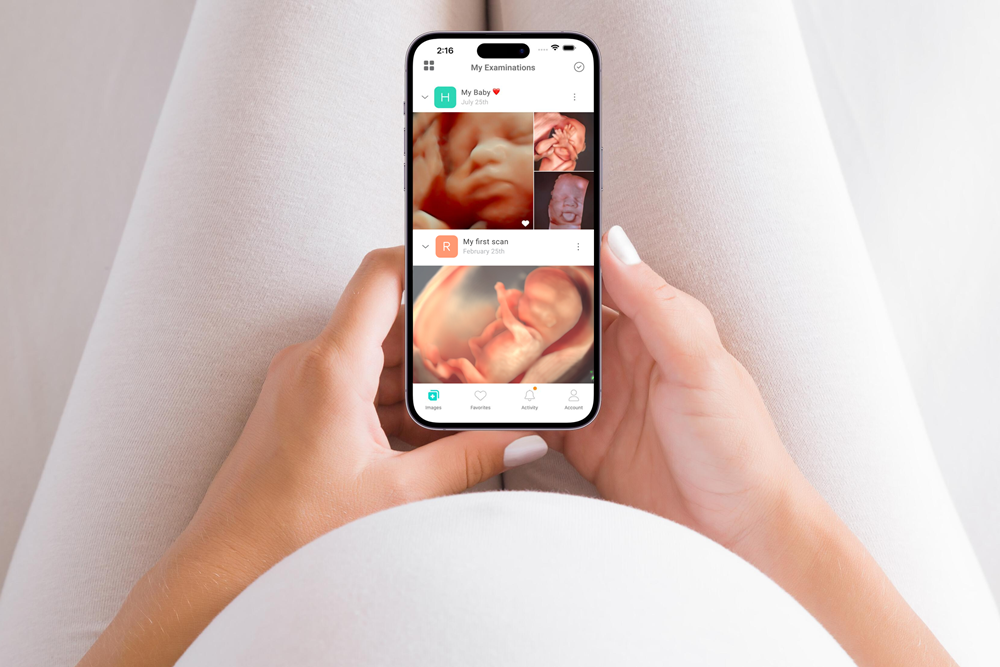
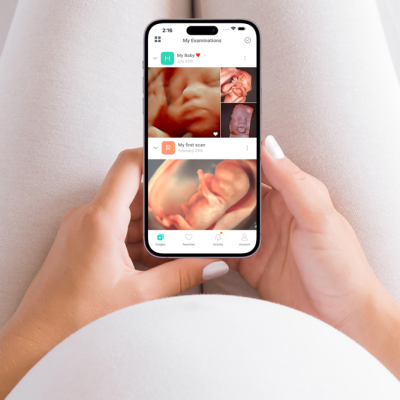
Ultrasound Direct has extended its Trice Imaging partnership for three years, adding a reporting tool across its 70-clinic UK network.
The private ultrasound provider will continue using the Tricefy platform for secure image storage and patient engagement, alongside TriceIQ for efficiency and productivity analytics.
It will also introduce Trice Workspace Reporting across its network. The companies say the tool will help standardise ultrasound reporting templates and workflows and reduce variation between clinics.
Ultrasound Direct carries out an estimated 120,000 patient scans each year across services including pregnancy, fertility, women’s health, men’s health and other diagnostic pathways.
Its network uses a large pool of sonographers working across different ultrasound systems and serves referral routes including self-referring patients, GPs and commercial partners.
Mike Steward, founding director at Ultrasound Direct, said: “Having worked with Trice Imaging since 2018, we first partnered to replace manual methods of providing scan images to expectant parents with Trice’s secure electronic image-sharing platform. Today, every study performed across the Ultrasound Direct Network is recorded and stored on Tricefy, while our clinical services have expanded considerably beyond pregnancy into fertility, women’s health, men’s health and other diagnostic pathways.”
He added: “To continue futureproofing our image management strategy across a network of 70 clinics, a large team of sonographers, varying ultrasound systems and a growing number of referral partners with different needs, we decided to extend with Trice Imaging. This includes the introduction of the new Trice Workspace Reporting module to help us scale and standardise our ultrasound reporting templates and workflow, reducing variability between clinics.”
The partnership began in 2018, initially focusing on replacing manual methods of sharing pregnancy scan images with expectant parents.
Johanna Wollert Melin, founder and chief executive of Trice Imaging Europe, said: “Ultrasound Direct has been a valued partner in the UK for 8 years.”
She added: “At the heart of the relationship is a willingness to explore new ideas, test new tools and the spirit to solve real challenges across a large and complex clinical network.”
Mark A. Samii, chief revenue officer at Trice Imaging, said: “We are delighted to retain and extend our relationship with Ultrasound Direct.”
He added: “The addition of Trice Workspace Reporting addresses a challenge we hear from multi-site providers globally – keeping reporting quality consistent across many users, systems, referral or payer relationships.”
Steward said Ultrasound Direct continues to see growing demand for private diagnostics alongside NHS care from self-referring patients and an increasingly diverse range of professional and commercial referral partners.
He added: “As that development continues, scalable digital infrastructure becomes increasingly important. Our focus is on ensuring that a growing national network can support consistent clinical workflows, different referral pathways and the technology requirements of the future, while continuing to provide patients with accessible diagnostic services.”

Paracetamol use in pregnancy was not linked to autism or ADHD, while separate research found reproductive differences in girls exposed before birth.
One study analysed health records from more than 120,000 children and found no increased risk of autism following prenatal paracetamol exposure.
A separate analysis of nearly 100,000 children also found no increased risk of ADHD among those born to mothers who used the painkiller during pregnancy.

Researchers from the Hong Kong Hospital Authority examined electronic health records covering pregnancies between January 2001 and December 2023.
The autism analysis included 124,333 children, who were nine years old on average and split almost evenly between males and females. There were 3,445 autism diagnoses, representing 2.8 per cent of the group.
The ADHD analysis involved 97,285 children, who were seven years old on average and also split evenly between males and females. There were 5,168 ADHD diagnoses, representing 5.3 per cent.
Women prescribed paracetamol during pregnancy were more likely to be older and have pre-existing conditions including psychiatric disorders, as well as reasons for taking the drug such as infection, fever or chronic pain.
No association was found between prenatal paracetamol exposure and either autism or ADHD.
The findings did not differ according to the trimester in which paracetamol was taken or whether use was intermittent or daily. Advanced maternal age, defined as pregnancy in women over 35, did not alter the findings.
The researchers wrote: “Paracetamol remains a safe and essential analgesic [pain reliever] and antipyretic [fever reducer] during pregnancy, whereas alternatives, such as NSAIDs and opioids carry well-documented risks.
“Unwarranted reluctance to use paracetamol could lead to undertreatment of pain and fever, or the use of more harmful alternatives, both posing risks to the pregnancy and developing fetus.”
The authors said women should assess paracetamol use with guidance from their doctor.
A separate study involving 685 pregnant women without pre-existing conditions and 302 infant daughters found associations between prenatal paracetamol exposure and differences in reproductive organs and hormone levels.
Researchers from Copenhagen University Hospital enrolled the women during their first trimester and assessed them during the first trimester, third trimester and again when their babies were three months old.
At around three months, infants experience a temporary rise in reproductive hormones sometimes called mini-puberty.
Pregnant participants completed questionnaires every two weeks about their use of pain medicines including paracetamol. Infant girls underwent ultrasound scans of their reproductive organs and blood tests to measure hormone levels.
Researchers also examined a separate group of 1,210 girls followed from infancy to adolescence whose mothers reported paracetamol use during the third trimester.
Three-month-old girls exposed to paracetamol before birth had an average 40 per cent smaller ovarian volume, 13 per cent smaller uterine volume and 23 per cent fewer ovarian follicles.
Girls exposed during the first trimester also had lower levels of Anti-Müllerian hormone, a marker of ovarian function.
Among the older girls, those exposed before birth were more likely to have smaller uteruses at puberty and smaller ovaries during their teenage years.
Dr Margit Bistrup Fischer, lead study author and postdoctoral researcher in the Department of Growth and Reproduction at Rigshospitalet hospital in Denmark, said: “Animal studies have demonstrated that impaired formation of ovarian follicles can lead to reduced fertility and earlier reproductive aging.
“Whether the differences observed in our study have implications for fertility and age at menopause in humans remains unknown and will require long-term follow-up of the girls in our cohort.”
She cautioned that women who had used paracetamol during pregnancy “should not be alarmed by our findings”, as the study found associations rather than direct causation and outcomes for individual women and children are unclear.
“Importantly, our study does not evaluate whether [acetaminophen] causes reproductive problems, nor does it provide evidence that prenatal exposure affects future fertility or age at menopause,” she said.
“Although we observed similar associations in an independent cohort, long-term follow-up is needed to determine whether these early-life differences have any clinical significance later in life.”


Pregnant women are among the first groups offered the NHS flu vaccine this winter, which has been updated to better match the subclade K strain.
Schoolchildren are also being prioritised and, like pregnant women, can receive the vaccine from September because they can catch and spread flu easily.
Protecting them also helps others, including younger siblings and grandparents.
Other eligible groups, including people aged 65 and over, will be able to receive a free NHS flu vaccine from October and should receive an invitation by phone or post.
Dr Amanda Doyle from NHS England said: “Last year’s flu season came early and was made worse by a new variant, which had a major impact for patients and put enormous pressure on urgent and emergency care services across the country.
“With the NHS experiencing its busiest summer on record, staff have started preparing for this winter earlier than ever – and with services already under significant pressure, it is vital that everyone offered the vaccine comes forward.”
Last winter’s flu season began more than a month earlier than usual as a new mutated strain circulated.
The strain was sometimes referred to as “Super flu”, although this is not a medical term and does not mean the virus is harder to treat. The name reflected that people had yet to build up immunity against it.
Flu vaccines are updated each year to better match the influenza viruses expected to circulate. These viruses continually mutate, so experts must predict how they are likely to change.
This winter’s vaccine includes changes intended to provide a better match for subclade K.
It remains unclear when flu will begin circulating widely this winter or how severe the season will be. Experts often look at flu activity in southern hemisphere countries such as Australia and New Zealand for indications of how the UK season could develop.
Their flu season peaks in July or August. Australia has recorded fewer cases than last year, while New Zealand has experienced high numbers.
Everyone is at risk of catching flu, regardless of age or how fit and healthy they are.
Doyle said: “Flu can really knock you for six, and for some children and pregnant women it can mean becoming seriously ill or ending up in hospital.”
The flu vaccine cannot give you flu. Instead, it helps the body know how to fight the virus.
Children aged two and over receive a nasal spray version, while adults receive an injection. One dose is needed ahead of winter.
Free NHS flu vaccines are available through pharmacies, GPs and schools. People who are not eligible for a free vaccination can pay around £10 to £20.
Schoolchildren and pregnant women can receive a free NHS flu vaccine from September onwards.
From October, free vaccination will also be available to children aged two or older who have not yet started school, people aged 65 and over, those with certain long-term health conditions, care home residents and carers of older or disabled people, including those receiving a carer’s allowance.
It will also be available to people living with someone who has a weakened immune system and those experiencing homelessness or staying in a homeless hostel or night shelter.
More adults will also be offered vaccination against respiratory syncytial virus (RSV), a virus that attacks the lungs, this winter.
From September, adults with certain pre-existing health conditions, such as chronic lung disease, will be invited for the RSV vaccine when they turn 65 rather than waiting until 75.






 Entrepreneur2 weeks ago
KOVE Medical raises €1.7 million to improve safety of foetal surgery

 Menopause3 days ago
Menopause may not explain rising heart condition in women – study

 Fertility7 days ago
Paracetamol use may impact future fertility, studies suggest

 Entrepreneur1 week ago
Last chance to save on Women’s Health Week and Women’s Sport Summit: Early Bird pricing ends 11 September

 Menopause2 weeks ago
Menopause hormone treatment may ease brain fog, study suggests

 Menopause1 week ago
Cancer drug could tackle osteoporosis menopause weight gain

 Mental health3 days ago
Women with birth trauma face 2.5x higher healthcare costs – study

 Menopause2 weeks ago
Menopausal women posing as men to buy testosterone amid NHS access issues