


WHO launches global roadmap to tackle hypertension in pregnancy
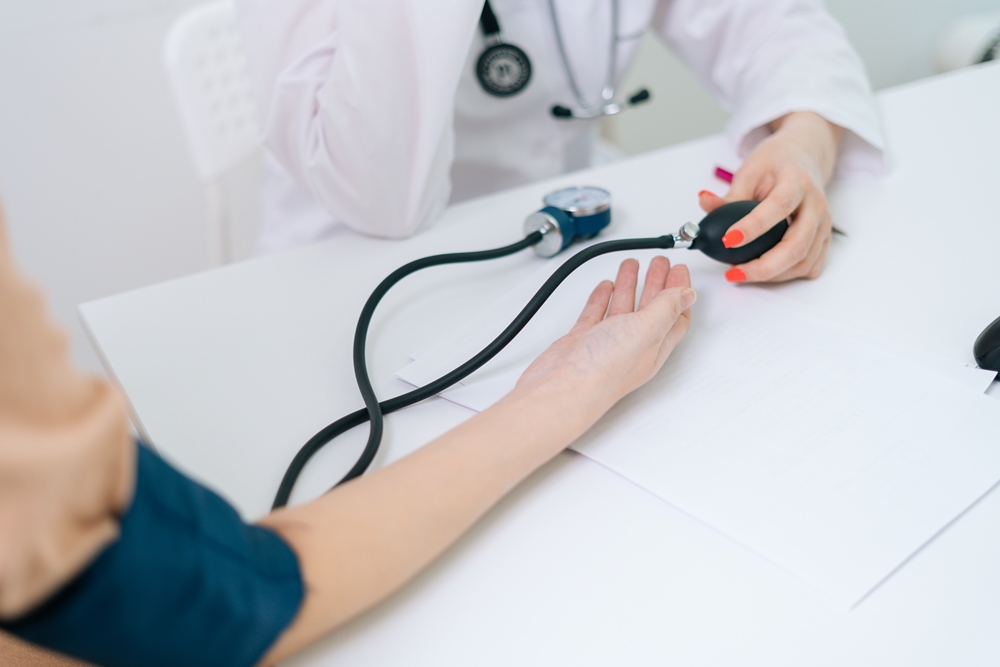
The World Health Organization (WHO) has launched a global roadmap to tackle hypertension in pregnancy and reduce deaths and serious illness among women and babies.
The plan covers hypertensive disorders of pregnancy, including pre-eclampsia, which involve high blood pressure and can cause serious illness during pregnancy.
These disorders affect an estimated 10 to 15 per cent of pregnancies worldwide and account for around 16 per cent of maternal deaths globally.
They result in an estimated 42,000 maternal deaths each year, alongside more than 500,000 stillbirths and newborn deaths.
WHO said women in many countries still lack reliable access to blood pressure checks, urine protein testing and medicines including aspirin, antihypertensives and magnesium sulphate.
Shortages of trained health workers, weak referral systems and limited emergency obstetric services can further delay life-saving care.
Dr Pascale Allotey, director of WHO’s Department of Sexual, Reproductive, Maternal, Child, Adolescent Health and Ageing, said: “Pre-eclampsia can develop in any pregnancy. Whether it becomes fatal depends on whether a woman’s blood pressure was checked in time, and whether quality emergency care was within reach when it turned severe.
“This roadmap brings together research, medicines, clinical guidance, health systems and political action so that a woman’s chances of surviving pregnancy and having a baby do not depend on where she lives.”
The Global roadmap for hypertensive disorders of pregnancy from 2026 to 2035 and beyond was launched at the Society for Maternal-Fetal Medicine Global Conference.
It sets out actions covering research and innovation, global clinical guidance, access to medicines and diagnostics, implementation, advocacy and accountability.
WHO said there is a gap between the scale of the problem and the lack of medicines specifically developed and approved by regulators to prevent or treat pre-eclampsia or eclampsia.
Research investment has largely focused on diagnostics, with chronic underinvestment in new preventive and treatment options.
More than 140 partners attended a WHO summit in May 2026 that identified 20 priority research questions to guide future investment in predicting, detecting and treating hypertensive disorders during pregnancy.
WHO said women in low- and middle-income countries are more likely to develop severe complications or die where access to antenatal care, medicines, diagnostics, trained health workers and emergency services is limited.
Women affected by poverty, humanitarian crises, geographical isolation and other challenges face particularly high risks.
Hypertensive disorders of pregnancy can also have longer-term consequences.
Women affected face increased risks of chronic hypertension, cardiovascular disease, stroke and kidney disease later in life.
Children exposed during pregnancy can face increased risks associated with preterm birth and longer-term cardiovascular and metabolic disease.
WHO is calling on governments, funders, researchers, health professionals, industry, civil society and development partners to align investment and action so proven interventions and future innovations reach women and babies who need them most.

Newsletter
Sign up for free weekly updates
The latest femtech news, research and investment, straight to your inbox.