




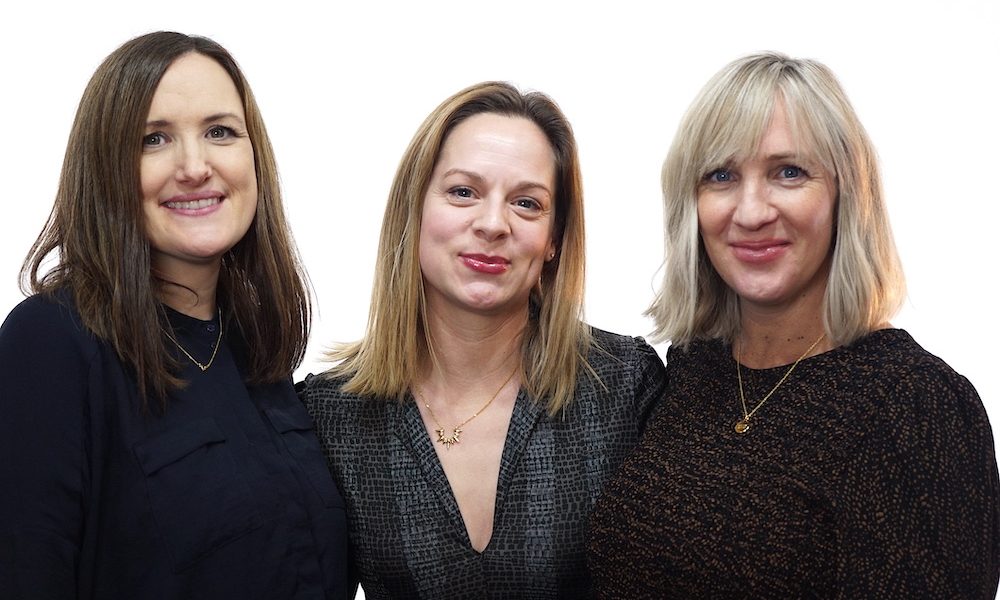
Aura Fertility, an app that focuses on IVF support, will soon expand in the UK.
The app will help fertility clinics provide home personal care for IVF cycles with the aim of improving clinics outcome and patients’ experience.
The app will also support patients, guiding them through every stage of their journey.
Aura Fertility App will provide women in the UK with personalised care, 24/7 support with access to therapists, nurses and nutritionists, and with optimised fertility outcomes.

To allow users to get the right support, they will firstly have to answer a questionnaire that will allow personalised content and digital tools that will specifically help them.
The app will also have a “mood lock” which will regularly check in on the users and that will provide them with the most suitable advices and tools. “If a woman is struggling in a certain area, we can flag it and serve her with coping tools and strategies to help her at that stage,” said Karen Hanson, co-founder of Aura Fertility.

In terms of mental health, Karen explained that once someone if flagged as someone who’s severely struggling, the app will contact their IVF clinic to make sure they receive the right support.
Users will also be able to see how many counselling sessions they have available via their clinic, and in case they don’t have any, Aura Fertility will show them the closest registered practitioners.
IVF can be a very stressful treatment as only 32 per cent of women under the age of 35 who undergo the procedure, have successful results.
Karen said: “Whilst I was going through IVF treatment I was never assigned to any counselling or any external support. It was only after three cycles that I realised that the clinic I was attending did actually offer counselling sessions as part of my IVF cycle. I was never made aware of it.
“It can feel very lonely when you’re going through IVF cycles. At different points of the journey it can be very traumatic and stressful.”

IVF in a laboratory.
IVF is one of the several techniques available to help people with fertility problems have a baby.
During IVF, an egg is removed from the woman’s ovaries and fertilised with sperm in a laboratory. The fertilised egg, called embryo, is then returned to the woman’s womb to grow and develop.
The decision about who can have NHS-funded IVF in the UK is made by local integrated care boards. Their criteria include women under the age of 43 who have been trying to get pregnant through regular unprotected sex for two years or, women who have had 12 cycles of artificial insemination.
In terms of the future of fertility technologies, Karen said: “There are so many platforms coming forward and I think it’s an exciting time for women. Not just fertility, but there is growing awareness around menopause and sexual health.
“Hopefully with our app we can help transform the IVF experience through tech. For us it’s all about making support more accessible for people, allowing them to have an app in their pocket they can use 24/7.
“There are some times when IVF can get very hard, and that’s when you can come to the app, check in, and find support.”


Newsletter
Sign up for free weekly updates
The latest femtech news, research and investment, straight to your inbox.




