




Diagnosis
Lung cancer drug shows breast cancer potential


Ovarian cancer cells quickly activate survival responses after PARP inhibitor treatment, and a lung cancer drug could help block this, research suggests.
PARP inhibitors are a common treatment for ovarian cancer, particularly in tumours with faulty DNA repair. They stop cancer cells fixing DNA damage, which leads to cell death, but many tumours later stop responding.
Researchers identified a way cancer cells may survive PARP inhibitor treatment from the outset, pointing to a potential way to block that response. A Mayo Clinic team found ovarian cancer cells rapidly switch on a pro-survival programme after exposure to PARP inhibitors. A key driver is FRA1, a transcription factor (a protein that turns genes on and off) that helps cancer cells adapt and avoid death.

The team then tested whether brigatinib, a drug approved for certain lung cancers, could block this response and boost the effect of PARP inhibitors. Brigatinib was chosen because it inhibits multiple signalling pathways involved in cancer cell survival.
In laboratory studies, combining brigatinib with a PARP inhibitor was more effective than either treatment alone. Notably, the effect was seen in cancer cells but not normal cells, suggesting a more targeted approach.
Brigatinib also appeared to act in an unexpected way. Rather than working through the usual DNA repair routes, it shut down two signalling molecules, FAK and EPHA2, that aggressive ovarian cancer cells rely on. FAK and EPHA2 are proteins that relay survival signals inside cells. Blocking both at once weakened the cells’ ability to adapt and resist treatment, making them more vulnerable to PARP inhibitors.
Tumours with higher levels of FAK and EPHA2 responded better to the drug combination. Other data link high levels of these molecules to more aggressive disease, pointing to potential benefit in harder-to-treat cases.
Arun Kanakkanthara, an oncology investigator at Mayo Clinic and a senior author of the study, said: “This work shows that drug resistance does not always emerge slowly over time; cancer cells can activate survival programmes very early after treatment begins.”
John Weroha, a medical oncologist at Mayo Clinic and a senior author of the study, said: “From a clinical perspective, resistance remains one of the biggest challenges in treating ovarian cancer. By combining mechanistic insights from Dr Kanakkanthara’s laboratory with my clinical experience, this preclinical work supports the strategy of targeting resistance early, before it has a chance to take hold. This strategy could improve patient outcomes.”



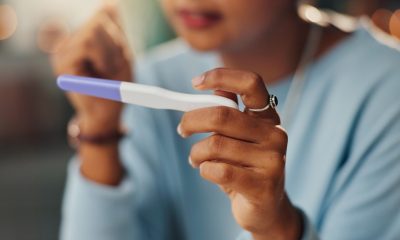










Women with the same medical conditions as men were less likely to receive the same treatment across several specialties, a global research review found.
The review found differences in care for conditions including cardiovascular disease, kidney disease and Parkinson’s, with women less likely to receive some active treatments.
Of 38 studies analysed, 33 found women were less likely than men to be offered active treatment.

Researchers at the University of St Andrews found women with myocardial infarction, heart failure or an irregular heartbeat were more likely to receive medication, while men were more likely to undergo coronary bypass surgery, stenting or other surgical treatment.
Women were also less likely to be prescribed statins.
Men with Parkinson’s were more likely to be referred for deep brain stimulation.
Men with liver failure were more likely to receive a transplant, while women with kidney disease requiring dialysis were less likely to receive permanent access and spent longer using a catheter.
Women were also less likely to receive opioids for pain management.
The researchers found no significant difference between women and men in treatment for stroke or diabetes, while women were more likely to receive treatment for dementia.
None of the studies identified clinical guidelines recommending different treatment based on sex.
Researchers said this suggested the differences could not be explained by the need for different clinical approaches to women’s health.
Dr Andrew O’Malley, who co-led the study, said: “For clinicians, the findings are a prompt to check whether treatment is being offered on clinical grounds rather than assumption.”
He said studies showed doctors more often attributed women’s symptoms to anxiety and made more diagnostic errors with female patients, even when test results were positive.
Dr Miriam Veenhuizen, honorary lecturer in the School of Medicine at St Andrews, said: “While the direction of the findings was not a surprise, the consistency was. The same pattern appeared in cardiology, surgery, transplant medicine and emergency care, and it survived statistical adjustment in most studies.”


Menopause is often absent from women’s electronic health records, a study of nearly 396,000 women has found.
Researchers found menopause appeared almost seven times more often in participant surveys than in electronic health records (EHRs).
The findings suggest important reproductive health information, including age at menopause, may often be missing from health records used for research.
Audrey Hendricks, associate professor of bioinformatics at CU Anschutz and the study’s principal investigator, said: “Ultimately, we cannot study what we do not measure. We cannot treat what we do not know.
“Menopause has enormous implications for women’s health, but if we don’t consistently capture when menopause occurs and other important reproductive health information, we limit our ability to understand how this transition affects disease risk and health outcomes.”
Researchers at the University of Colorado Anschutz analysed data from women taking part in the National Institutes of Health’s All of Us Research Program.
They compared menopause information reported by participants in surveys with menopause diagnoses recorded in their electronic health records.
Around 193,000 menopause observations were identified in survey data, compared with approximately 28,000 diagnoses in EHR data.
Menopause was documented in electronic health records for only about 7 per cent of women in the dataset.
Nearly all participants with a menopause diagnosis recorded in their EHR also reported menopause in survey data. However, substantially fewer women had menopause documented in their health records.
Other important information was also frequently unavailable, including age at menopause, which researchers may use when examining links between menopause and chronic disease risk.
Menopause is a physiological transition that can affect cardiometabolic health and many other aspects of women’s health.
Researchers said relatively little is known about how factors including the timing and type of menopause influence health outcomes across diverse populations.
Large-scale programmes such as All of Us combine participant surveys, electronic health records and genomic data, but menopause-related research depends on relevant reproductive health information being available.
Missing menopause information can make it harder to investigate how the transition relates to health and disease.
The findings may also help researchers using All of Us data define menopause-related study populations, design studies and estimate how many participants are needed.
Hendricks said: “We have an enormous opportunity to use large-scale datasets to understand women’s health across the menopause transition and to identify who may be at greater risk for disease.
“But we need to make sure that the information researchers need is actually being collected.
“We must do a better job of capturing women’s health information, including reproductive health and measures related to menopause.”
Researchers said more complete and consistent collection of menopause and reproductive health information could help future studies examine factors such as age at menopause and their relationship with disease risk and health outcomes.











 Ageing5 days ago
Menopause may not explain rising heart condition in women – study

 Fertility1 week ago
Paracetamol use may impact future fertility, studies suggest

 Entrepreneur2 weeks ago
Last chance to save on Women’s Health Week and Women’s Sport Summit: Early Bird pricing ends 11 September

 Insight5 days ago
Women with birth trauma face 2.5x higher healthcare costs – study

 Menopause2 weeks ago
Cancer drug could tackle osteoporosis menopause weight gain

 Cancer5 days ago
Study could explain why obesity is a breast cancer risk factor

 News4 days ago
Medical cannabis may improve endometriosis symptoms – study

 Diagnosis2 weeks ago
FDA approves AstraZeneca breast cancer drug