




Caesarean births overtake natural vaginal deliveries in England for first time
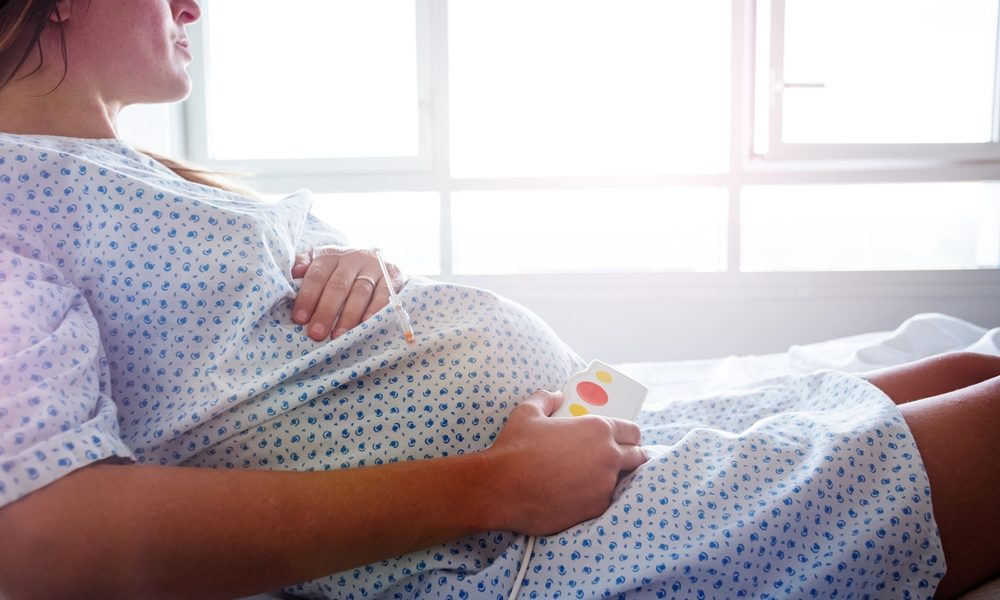
Caesarean births (surgical births) have overtaken vaginal deliveries in England for the first time, with 45 per cent of births now by caesarean, NHS data show.
Last year, 44 per cent of births were through natural vaginal deliveries and 11 per cent were assisted with instruments such as forceps or ventouse, according to data published on Tuesday covering April 2024 to March 2025. Assisted deliveries use instruments to help the baby out during birth.
More than four in ten caesareans carried out by NHS England were elective, planned operations. For women under 30, natural vaginal birth remained the most common method, while for women aged 30 and over, caesareans were most common. For women aged 40 and over, 59 per cent of births were by caesarean.

In total, 20 per cent of births in 2024-25 were planned caesareans and 25.1 per cent were emergency, with both figures at record highs.

There were 542,235 deliveries in NHS England hospitals during this period, down from 636,643 in 2014-15. One in four births were to mothers aged over 35.
In 2014-15, caesarean deliveries made up 26.5 per cent of births. The increase over the past decade has been attributed to growing numbers of complex pregnancies, linked to factors including rising obesity rates and women waiting until they are older to have children.
Donna Ockenden, one of the UK’s most senior midwives who is leading the inquiry into maternity failures in Nottingham, told BBC Radio 4’s Today programme that the rise was a “complex” and “evolving picture over time”.
She said: “The thousands of women I’ve spoken to want a safe birth above everything else, so we should not vilify or criticise women who make those decisions.”
“In the reality of today’s maternity services – where women are living in poverty, deprivation, they’ve got pre-existing illnesses – obstetricians, midwives, nurses can only do so much, and we don’t always do enough in all cases to optimise women’s health prior to pregnancy.”
Soo Downe, a professor of midwifery at the University of Lancashire, added: “In some cases women are going for caesarean sections as a kind of least-worst option because they don’t really believe they’re going to have the kind of support they need to have a safe, straightforward, positive labour and birth in hospital.
“Or because their birth centres are being closed … or because they go into labour wanting a home birth and the midwife isn’t able to come to them because the midwife’s called somewhere else.
“But for some of them, it becomes the only choice on the table … and for other women, they choose a caesarean because they really want one, and that’s absolutely fine.”

Newsletter
Sign up for free weekly updates
The latest femtech news, research and investment, straight to your inbox.




