




Wellness

By Con Raso, managing director, Tuned Global Music and movement are neurologically intertwined. Tempo influences pace, rhythm supports endurance, and familiar tracks can reduce perceived exertion. Beyond physiology, music creates shared moments. It sets the atmosphere, builds anticipation and turns individual activity into collective experience. For sports, wellness and fitness brands, this means music selection [...]
Lifestyle factors are linked to more than a quarter of healthy years lost to breast cancer worldwide, according to the largest study of its kind. The research analysed data from population-based cancer registries across more than 200 countries between 1990 and 2023 to examine how lifestyle affects the global burden of breast cancer. The study, [...]
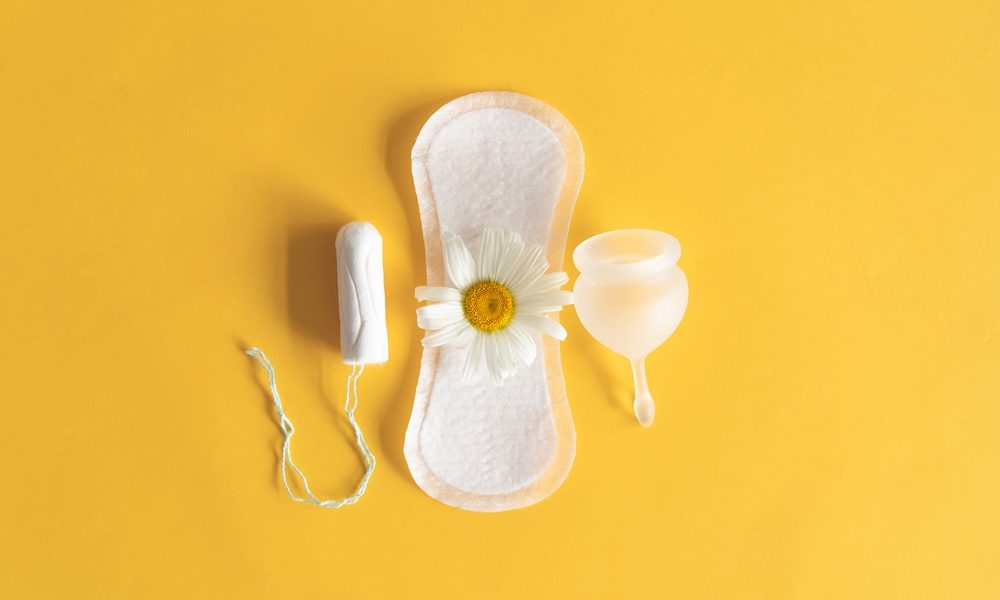
Very heavy or very light periods may be linked to underlying health problems that affect quality of life and can influence fertility, according to medical experts. Heavy menstrual bleeding is reported to have a major impact on daily life, with around two thirds of affected women seeking medical help. Beyond anaemia, which can cause fatigue, [...]

Black women who ate the most ultra-processed food before a breast cancer diagnosis were 40 per cent more likely to die from the disease, a study has found. The research analysed the diets of more than 1,730 Black women in New Jersey who were diagnosed with breast cancer between 2005 and 2019. About 10 months [...]

A non-hormonal radiofrequency treatment improved sexual function and vaginal health in postmenopausal women, according to results from a small randomised study. The study assessed nonablative capacitive-resistive monopolar radiofrequency, an energy-based treatment that delivers controlled heat to vaginal tissue to improve blood flow and tissue health. It was tested as a potential treatment for genitourinary syndrome [...]

Nearly 70 per cent of NHS regions in England fund only one IVF cycle for women under 40, breaking national guidelines, new research has found. Twenty-nine of the 42 integrated care boards, which control local NHS budgets, now offer only one round of treatment, after four reduced access in the past year. National [...]

Ageing anxiety may accelerate biological ageing in women, with fears about worsening health linked to faster epigenetic ageing, according to new research. The study found that greater anxiety about growing old was associated with accelerated epigenetic ageing, as measured by the DunedinPACE clock, based on biological markers in blood samples. Epigenetic changes are shifts in [...]

WUKA has announced a groundbreaking partnership with the Royal Yachting Association (RYA), including RYA Scotland and RYA Northern Ireland, supporting women and girls in sailing. Building on WUKA’s growing #TackleAnything campaign - which has already reached thousands of girls across sports in the UK - this collaboration brings practical period solutions into sailing. Together, WUKA [...]

London’s shifting population is holding down breast screening uptake, experts have said, with the capital at 62.8 per cent in 2024, below the NHS’s acceptable 70 per cent threshold. The London Assembly Health Committee recently heard that the capital faces distinct challenges compared with the rest of the country and that these issues must be [...]
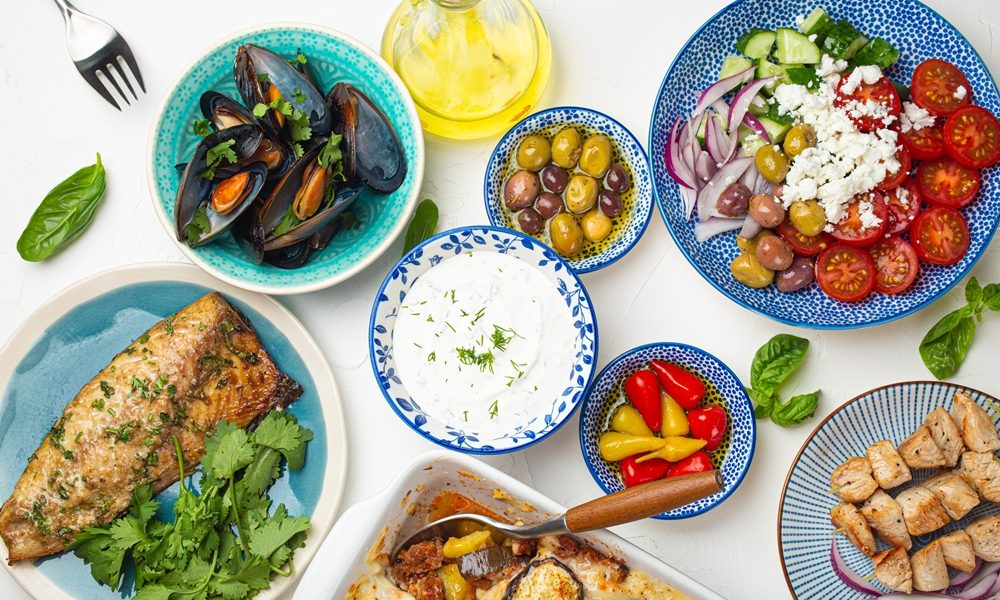
Following a Mediterranean diet is linked to a lower risk of stroke in women, a large cohort study suggests. Women with the highest adherence were 18 per cent less likely to experience any stroke, including a 16 per cent lower risk of ischaemic stroke and a 25 per cent lower risk of haemorrhagic stroke. Ischaemic [...]
Newsletter
Sign up for free weekly updates
The latest femtech news, research and investment, straight to your inbox.




