




News

The Femtech World Awards celebrates the very best of female-led and focused health innovation, spanning menstrual health, menopause, cardiovascular health and beyond. This year, we are once again set to recognise the scientists, clinicians and innovators developing evidence-based solutions that have the power to improve millions of lives. The Research Project of the Year award [...]
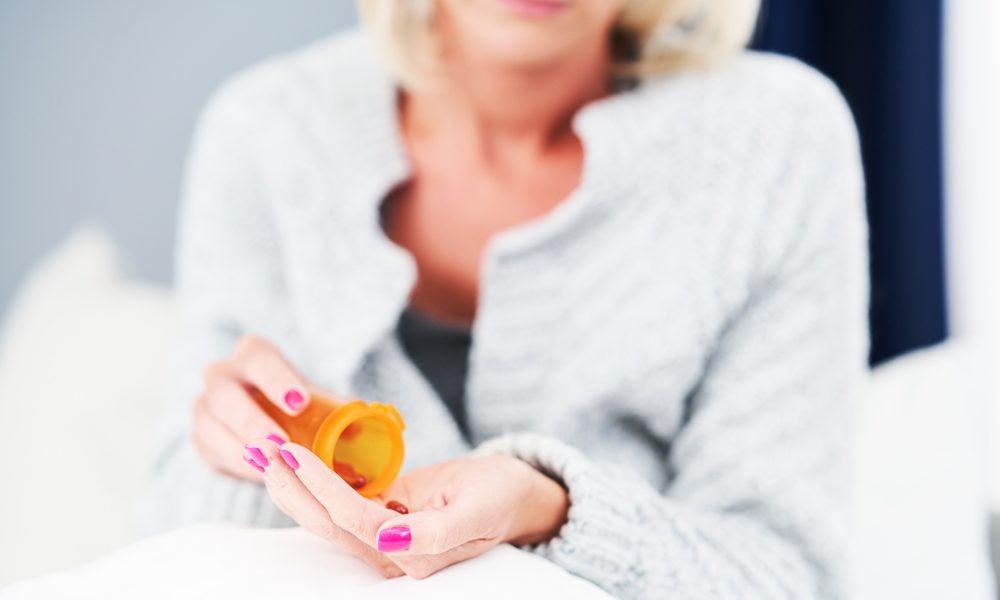
Menopause hormone therapy is not strongly linked to dementia, a review of health data from over one million women reports. The systematic review, commissioned by the World Health Organization, examined links between cognitive health and hormone replacement therapy (HRT). The WHO currently provides no specific guidance on dementia and HRT, despite recent controversy around the [...]

Pomelo Care has raised US$92m in Series C funding at a US$1.7bn valuation as it expands its virtual maternity model into wider women's and children's healthcare. The New York-based company, which says it now covers nearly 7 per cent of US births, plans to use the funding to extend its model beyond maternity into reproductive [...]

The first wave of speakers for Women’s Health Week USA 2026 has been announced, setting the direction for the conversations taking place at the New York Academy of Medicine on May 13 to 14. View the full programme here. This early look at the lineup brings together pioneering industry leaders actively shaping how women’s health [...]

Scientists say they have 'rejuvenated' human eggs, in work that could improve IVF success rates for older women. The team reports that an age-related defect causing genetic errors in embryos may be reversed by supplementing eggs with a key protein. In eggs donated by fertility patients, microinjection of the protein cut the share showing the [...]

Women with two to three children live longest, while having more than four is linked to shorter lives, research on biological ageing suggests. The study also found timing matters, with pregnancies roughly between ages 24 and 38 linked to more favourable ageing and longevity patterns. Somewhat unexpectedly, childless women showed faster ageing than women with [...]

An NHS GP and menopause specialist has urged women to do three monthly health checks, examining their chest, vulva and moles. Dr Carys Sonnenberg, an NHS women's health GP and founder of the Rowena Health Menopause Clinic, shared the recommendation on TikTok, suggesting the first of each month as a good time to perform the checks. [...]

Up to 75 per cent of Australian women report concerns about their body image after giving birth, with many feeling pressure to "bounce back" to pre-pregnancy shape. A review of 36 studies found these struggles are shaped by partners, families and cultural expectations, and that social pressure can even trigger eating disorders for the first [...]
The third annual Femtech World Awards will celebrate the very best of women’s health innovation, recognising individuals and organisations helping to transform outcomes around the world. The Femtech Company of the Year award recognises an outstanding company that is driving innovation, impact and growth in the femtech. The winner will be a company that has [...]

The National Institute for Health and Care Excellence (NICE) has proposed age-based thresholds for ovarian cancer screening to help identify women at higher risk earlier. Previously, testing has used a blood test for cancer antigen 125 (CA125), a protein marker linked to ovarian cancer, with women showing 35 IU/mL or above referred for checks regardless [...]
Newsletter
Sign up for free weekly updates
The latest femtech news, research and investment, straight to your inbox.




