




Menstrual & gynaecological health

By Ruby Raut, founder, WUKA Every time we post a dad talking to his daughter about periods, the internet seems to split in two. One side says: “This is brilliant. I wish my dad had spoken to me like this.” The other says: “Why on earth are men talking about periods?” And I always find [...]

By Ciara Donlon, founder & CEO of MOSS A baby is born. In the first hours of their life, before they have tasted food, before they have felt sunlight, before they have learned the sound of their own name, they are wrapped in a nappy. That nappy, in most cases, is made from plastic, synthetic [...]

By Aleena Ashraf, neuroscientist, published author and part of Véa’s Clinical Advisory Board Menstrual data is missing a critical layer: the mind. The menstrual cycle won’t be fully understood until we track the mind alongside the body. We measure the body exceptionally well. Just three period-tracking apps, Clue, Flo and Period Tracker, have been downloaded [...]
Menstrual cycle timing may affect vaccine side effects, according to a study involving 1,474 users of period-tracking app, Clue. People vaccinated before ovulation were more likely to report side effects than those vaccinated after ovulation. They also appeared to go longer before a subsequent Covid-19 infection, although the researchers said this finding was exploratory. Amanda [...]
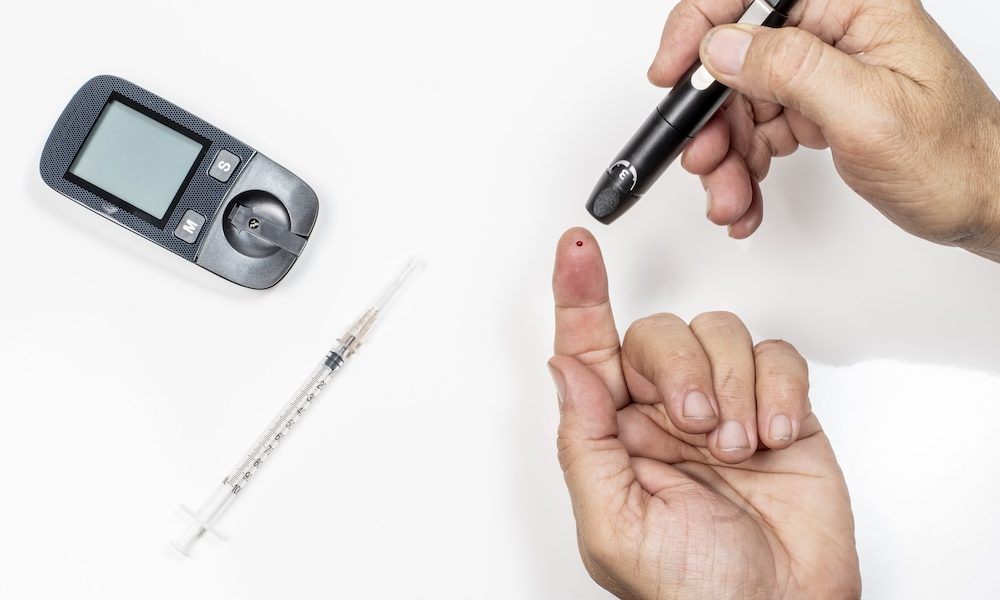
Type 2 diabetes is rising among women in their 20s in England, with experts warning of a worrying increase since the Covid pandemic. The rise has largely occurred since the pandemic and is closely linked to increasing obesity levels, according to an analysis of NHS data from 2011 to 2024. The condition is serious and [...]

Women with PMOS may have a fourfold higher risk of heart disease, new research suggests. PMOS, or polyendocrine metabolic ovarian syndrome, is a complex hormone condition affecting about one in eight women in the UK. It can affect hair growth, periods, fertility and mood. US researchers analysed health insurance data collected between 2000 [...]
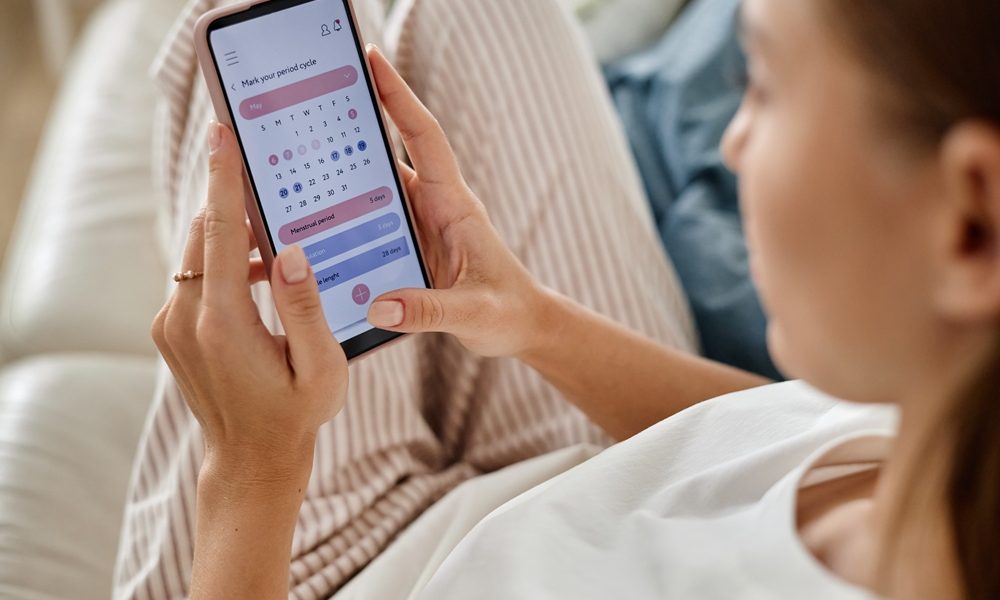
Stardust shared sensitive period tracking data with third-party analytics firms, according to new privacy research from Mozilla. The findings expose a privacy divide in femtech, where users often trust apps with highly sensitive reproductive health information. The research was carried out by Mozilla’s Privacy Not Included team, which tested several period tracking apps. [...]

By Nolynn Palmer, science and partnership lead, EmaEQ and Heather Ritchie, COO, Embr Labs Summer is reminiscent of many things: the smell of sunscreen, longer evenings, dedicated family time, vacations finally on the calendar, maybe even a wardrobe refresh. There’s a particular kind of joy that settles in this time of year, a collective breath [...]

Academics are calling for regulation banning toxic chemicals in period products as a major menstruation conference prepares to open in Brighton. The design, health and sustainability of period products will be a central theme at the Menstruation Research Conference 2026. Keynote speaker Helen Lynn will discuss the lack of regulation and encourage attendees to support [...]

Statins have been linked to more severe menopause symptoms and a higher risk of muscle loss in postmenopausal women, a study suggests. The medicines are among the most widely prescribed in the world, with strong evidence supporting their use to lower cholesterol and reduce cardiovascular risk. However, some recognised side effects may resemble symptoms associated [...]
Newsletter
Sign up for free weekly updates
The latest femtech news, research and investment, straight to your inbox.




