




Diagnosis

A vaccine trial will test whether an mRNA jab can help stop precancerous cells developing into bowel and ovarian cancer in people with Lynch syndrome. The first stage is due to launch this summer and will assess whether the jab can train the immune system to recognise and eliminate precancerous cells before cancer develops. Around [...]

Changes in lymph nodes may help show which breast cancer patients face higher or lower risk of the disease spreading, researchers have found. The findings could support more tailored care, new treatments and help more people avoid unnecessary treatment. Dr Simon Vincent is chief scientific officer at Breast Cancer Now, which funded the [...]
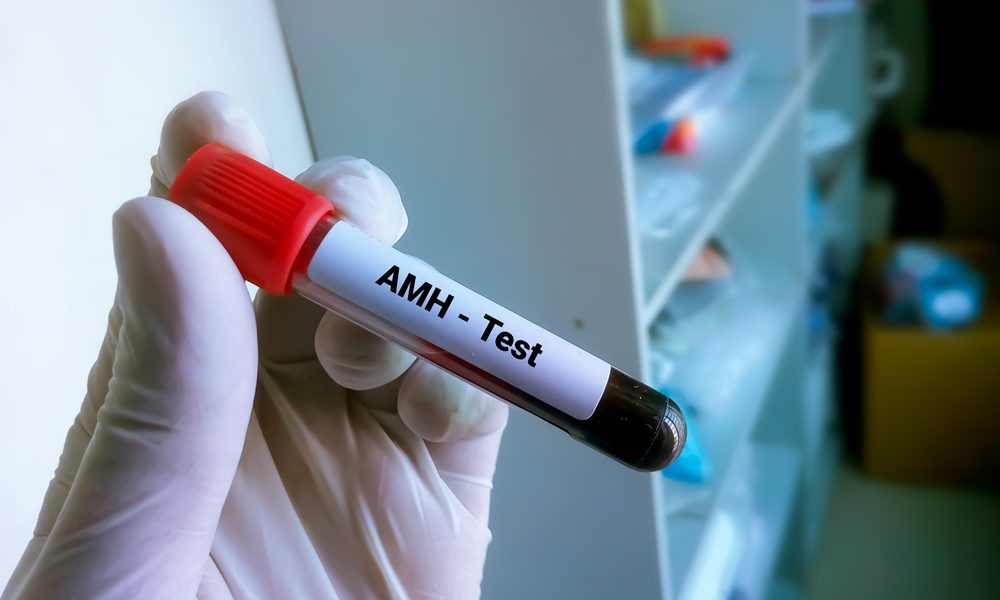
Article produced in association with Spital Clinic AMH has become one of the most-requested blood tests in private women’s health. The number it gives back is useful, but only when it is read in context. AMH testing in the UK has gone mainstream over the past few years. Home-testing kits sell it as a snapshot [...]

Female sex may not raise stroke risk across all atrial fibrillation (AF) patients, with higher risk mainly seen in women aged 75 and older, a study suggests. Researchers said stroke prevention for women with the condition should be more personalised, especially for patients under 75. Dr Amitabh C Pandey, director of cardiovascular translational [...]

AI may help speed breast cancer diagnosis for high-risk women after abnormal mammograms, a study suggests. Women with abnormal mammograms often wait weeks to learn whether they have breast cancer. Researchers at UC San Francisco and UC Berkeley said an AI-guided workflow could help reduce that wait by quickly identifying those most likely to have [...]

Type 2 diabetes diagnoses are rising twice as fast in women under 40 as in women over 40, new data shows. Type 2 diabetes is a serious condition and can lead to complications such as heart attacks and strokes. When it develops in younger people, it can be more aggressive and have more severe and [...]

A genomic test may help some women with breast cancer avoid chemotherapy, with near-identical outcomes in an international trial. The findings suggest patients with a low test score could be treated with hormone therapy alone without increasing the risk of their cancer returning. Researchers said the results could support more personalised treatment decisions and spare [...]

The FDA has delayed approval of camizestrant while it reviews new analyses submitted by AstraZeneca after advisers voted against the breast cancer drug. The US regulator had been considering whether to approve the oral treatment after a phase 3 switching study in a specific group of breast cancer patients. Camizestrant is an oral SERD, or [...]

The NHS has been urged to update its website after PCOS was renamed PMOS, or polyendocrine metabolic ovarian syndrome. Last week, the condition, thought to affect about one in eight women, was given a new name after a 14-year effort involving medical experts, charities and women with lived experience of the disorder. However, the NHS [...]

Only one per cent of women can name all five gynaecological cancers, new research suggests, as 21 women in the UK die every day of the diseases. The report also found that 31 per cent of women have put off or avoided seeking medical advice for gynaecological symptoms. It also found that 43 per cent [...]
Newsletter
Sign up for free weekly updates
The latest femtech news, research and investment, straight to your inbox.




