




Tech & devices

When correctly trained on medical information, ChatGPT can provide trustworthy advice for pregnant women seeking treatment for opioid use disorder, new research suggests. The findings could inform the development of digital tools such as apps and websites for people looking for medical guidance on sensitive issues they may not wish to discuss face to face [...]

London-based women’s health platform SheMed has raised €43m to expand its UK operations and further develop its personalised healthcare platform. The company, founded by sisters Olivia and Chloe Ferro in April 2024, will use the investment to scale its medical and technology teams, strengthen clinical infrastructure and enhance its data-driven systems. SheMed offers weight management [...]

By Xisca Borrás, Partner – Life sciences regulatory and Ellie Handy, Senior Associate – Life sciences regulatory, Bristows As femtech is intrinsically linked to health needs, a key question for femtech products is whether they are regulated as medical devices or merely consumer products. Additionally, many femtech products are embracing the use of artificial intelligence [...]

By Xisca Borrás and Ellie Handy of the life sciences regulatory department at Bristows law firm Femtech, short for female technology, is an important and fast growing sector. The EU is a key market for femtech, with five of the top 10 countries for femtech investment located in the EU. Femtech products are developed for [...]

TIME Magazine has published its Best Inventions of 2025, spotlighting 300 innovations making the world a better place. Femtech World spoke to some of those addressing unmet needs in women’s health. For 25 years, TIME’s Best Inventions issue has been highlighting the most impactful new products and ideas. This year, several femtech innovations made the [...]
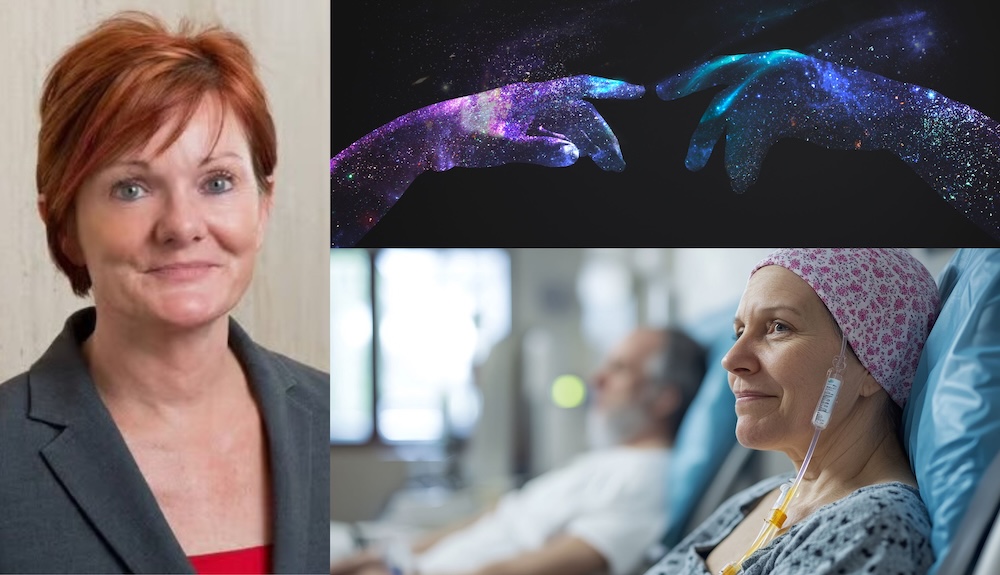
For decades, women have been excluded from clinical research, but AI-powered digital twinning is helping make trials safer, more inclusive, and more representative of real patients. For Karen Yeo, innovation is not just about technology, but how it is used to change things for the better. Yeo (pictured top left) is senior vice president of client [...]

North London NHS Foundation Trust has signed a new partnership with leading digital health company Psyomics to revolutionise how people across Barnet, Camden, Enfield, Haringey, Islington access mental health care. The collaboration will see Psyomics’ digital technology rolled out across community services, enabling access to the right support more easily for over 1.6 million residents. [...]

The first AI-powered health companion designed exclusively for women is launching in the UK today. Nexus provides a unified fitness, nutrition, medication and cycle tracking solution alongside a personal digital health coach. Unlike other health apps built for isolated concerns, Nexus recognises that women’s health is interconnected. Powered by a proprietary AI model and guided [...]

A cooling wristband device was found to reduce severe hot flash episodes by 46 per cent in breast cancer patients, prostate cancer patients and postmenopausal women, new research has shown. The device reduced severe episodes by 41 per cent in breast cancer patients and 50 per cent in prostate cancer patients and postmenopausal women. It [...]
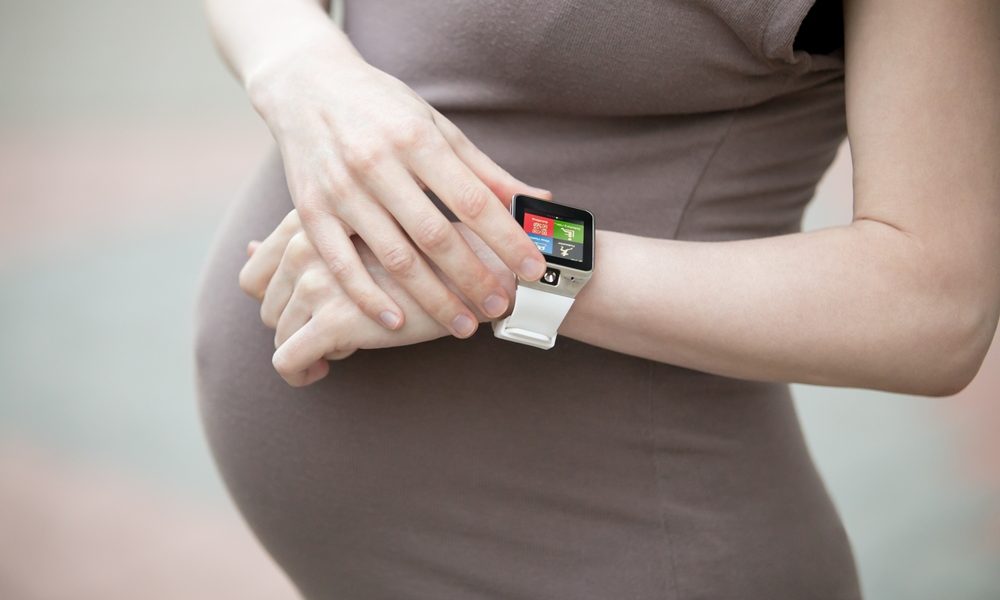
Common fitness trackers may help track pregnancy complications by detecting heart rate changes that mirror hormonal shifts, new research suggests. The study found devices such as Apple Watch, Garmin and Fitbit recorded heart rate patterns that aligned with key pregnancy hormones including oestrogen, progesterone and human chorionic gonadotropin (hCG). These hormones play vital roles in [...]
Newsletter
Sign up for free weekly updates
The latest femtech news, research and investment, straight to your inbox.




