




Research

Women who regularly take fish oil supplements could reduce their risk of early menopause by up to 95 per cent, new research suggests. The study, which looked at data from more than 3,500 British women, found that those who took fish oil supplements were far less likely to experience early menopause than those who did [...]
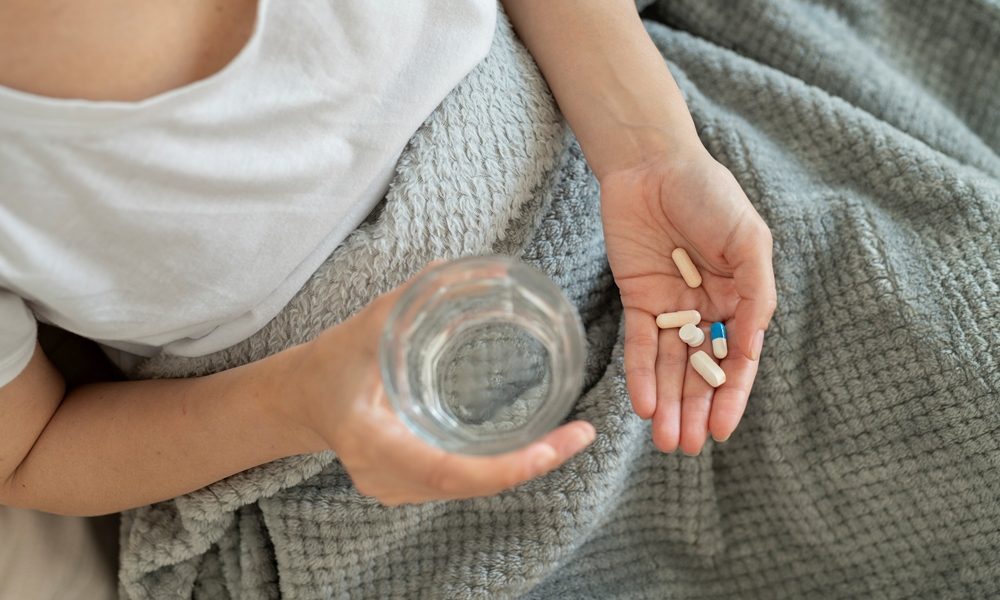
At-home abortions should be permitted for up to 12 weeks across the UK, researchers say, after finding they are as safe as procedures carried out in hospital. The study reviewed outcomes of abortions between 10 and 12 weeks of pregnancy in NHS Lothian, Scotland, from 2020 to 2025. Medical abortion involves taking two drugs – [...]
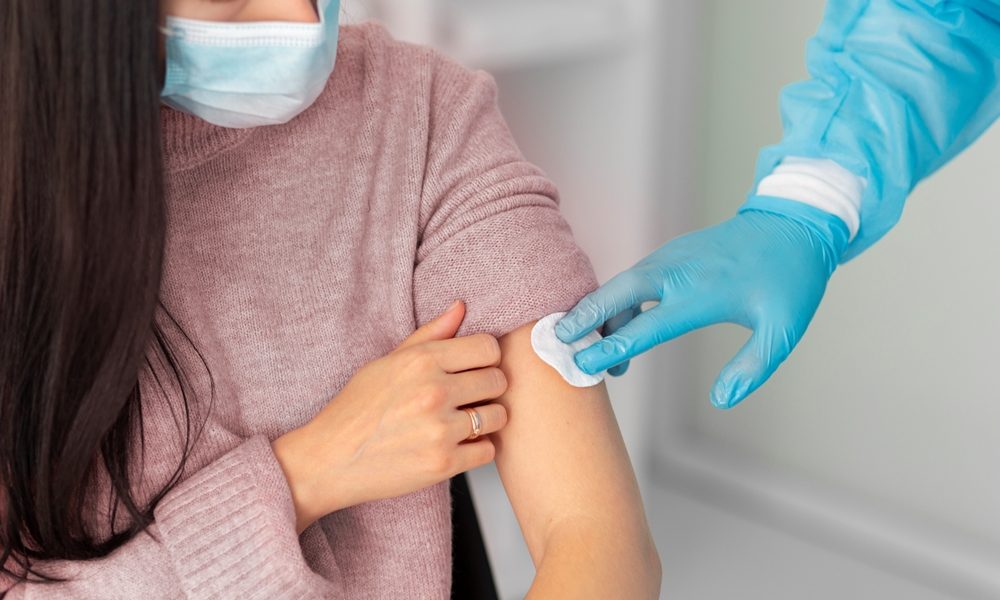
A large, long-term study has found that the introduction of the human papillomavirus (HPV) vaccine in community settings is highly effective in protecting young women from infections caused by the cervical-cancer-causing virus—including women who didn’t even receive the vaccine. HPV is the most common sexually transmitted infection worldwide and is the primary cause of cervical [...]

Menopause is not linked to increased disability accumulation in women with multiple sclerosis, according to the largest study to date. The study followed 987 Australian women with MS over 14 years, of whom 404 (40 per cent) had gone through menopause, and found no link between hormonal changes and disease progression. Led by Monash University [...]
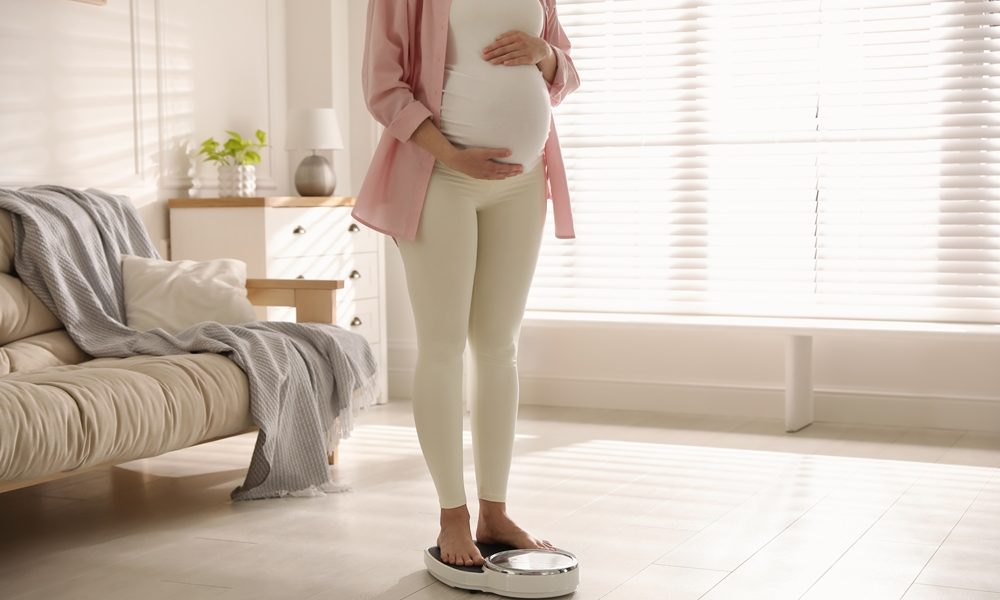
Preconception BMI outside the healthy range is linked to longer time to pregnancy and higher miscarriage risk, new research has revealed. The study followed 3,033 pregnancy or preconception episodes among couples in Rotterdam between August 2017 and July 2021, examining how body mass index (BMI) – weight relative to height – affects fertility. Women had [...]

Twenty-one per cent of Gen X women meet criteria for addiction to ultra-processed foods, compared with 10 per cent of men in the same generation, new research has revealed. The rate is much higher than among adults who grew up earlier and first encountered ultra-processed foods – products high in fat, salt, sugar and flavourings [...]
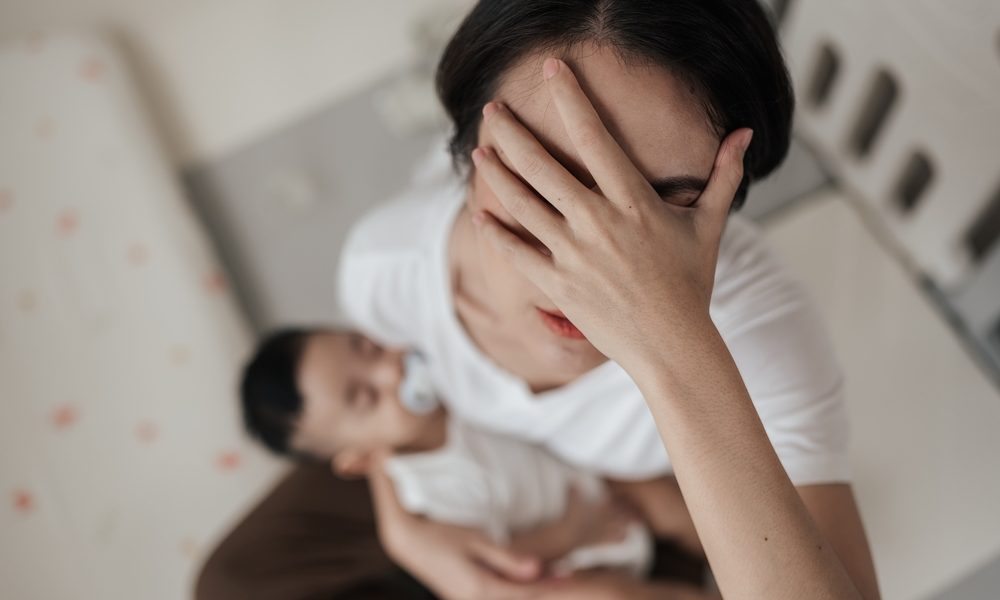
Depression and psychosis are more common in women after childbirth than before, while suicide attempts fall, according to two major studies in Sweden. Researchers analysed nearly 1.8m pregnancies between 2003 and 2019 and found that mental ill health has risen over time, especially before pregnancy. During pregnancy, new diagnoses decline, but after childbirth, risks increase [...]
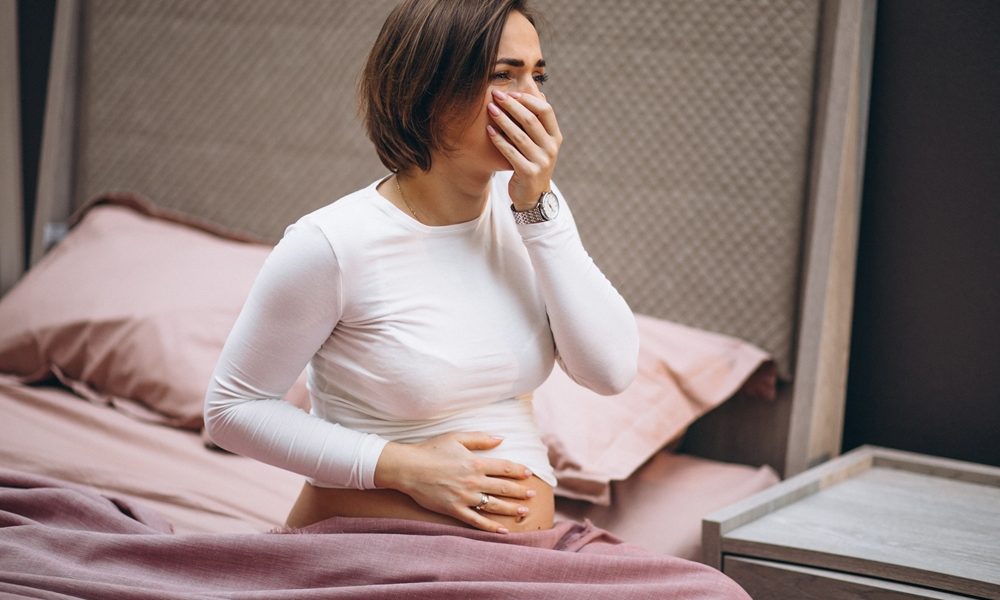
Morning sickness symptoms such as nausea and food aversions are linked to healthy inflammatory responses that help protect both mother and fetus during pregnancy, new research shows. Up to 80 per cent of early-stage pregnant women experience nausea, vomiting and aversions to certain foods or smells. Researchers say these symptoms point to a delicate immune [...]

Mothers who experienced childhood trauma face nearly double the risk of preterm birth, with 12.6 per cent delivering early compared with 6.7 per cent of those without trauma, new research has found. The study reviewed 823 mothers who gave birth to 1,285 children between 2011 and 2021, finding that 38 per cent had lived through [...]
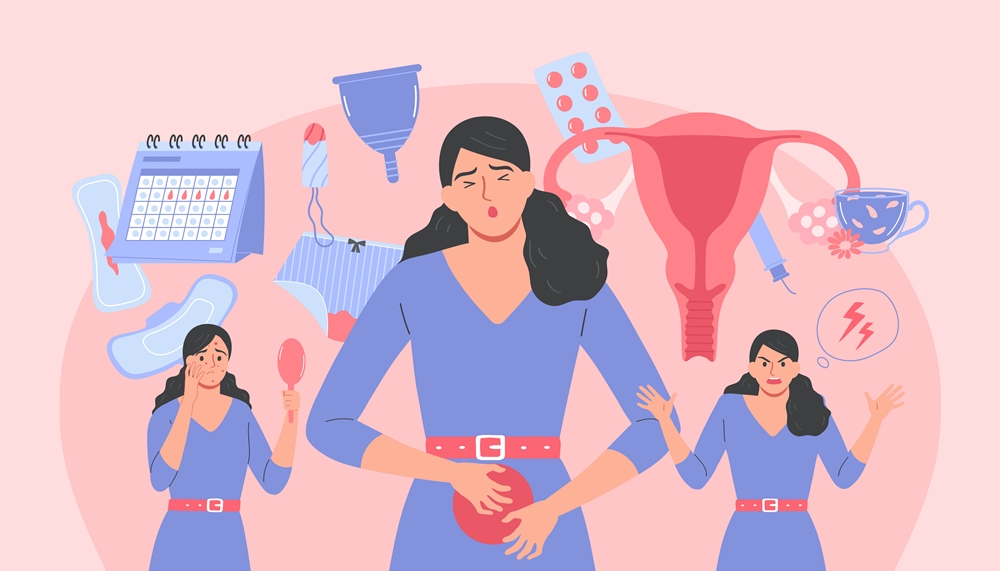
Misinformation about reproductive health is a major concern for almost three quarters of British women, yet 44 per cent admit they do not fact-check medical information they see online, new data has revealed. The findings in a survey, conducted by women-led period and cycle tracker Clue, paint a clear picture of the impact medical misinformation [...]
Newsletter
Sign up for free weekly updates
The latest femtech news, research and investment, straight to your inbox.




