




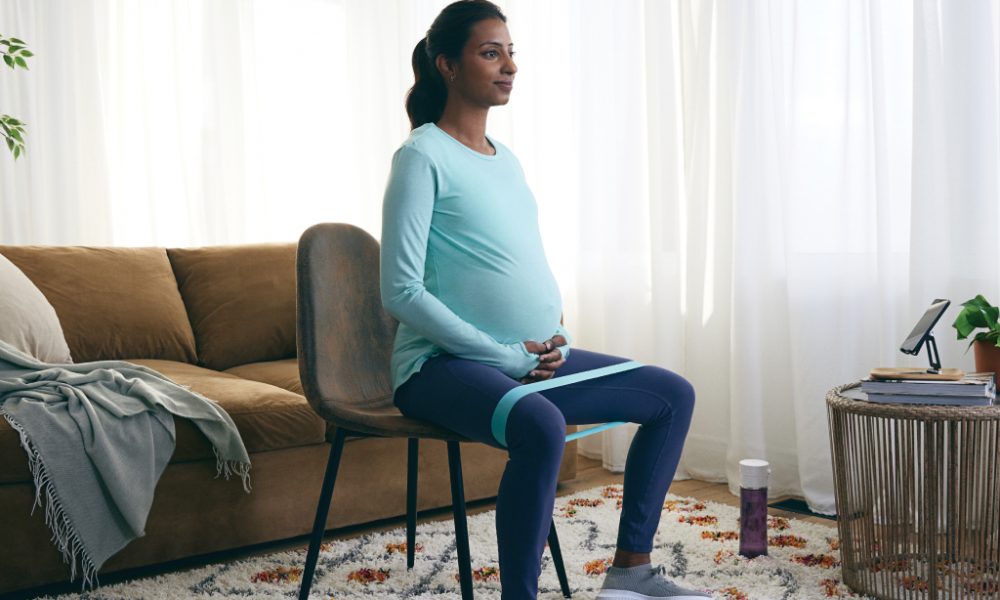
The US digital clinic for joint and muscle pain Hinge Health has announced four new clinical “experiences” to address the needs of women suffering with pelvic floor conditions.
The new additions to the clinic’s women’s pelvic health programme are hoped to enable targeted clinical care by providing tailored exercise therapy, educational content, varied clinical approaches and a care team composed of pelvic health physical therapists, women’s health coaches, and urogynaecologists.
The four clinical experiences would address common musculoskeletal (MSK) symptoms associated with prenatal and postpartum life stages as well as support for bladder control, pelvic pain and conditions such as prolapse and urinary incontinence.
Women make up almost half of the workforce in the US, and 85 per cent of them will become mothers during their careers, according to data from the Department of Labour.

Of these, it is estimated that 75 per cent will experience MSK disorders such as pelvic floor dysfunction.
“One in four women has a pelvic floor disorder at some given point of time, and that increases as women age, during pregnancy, and postpartum,” said Inessa Lurye, senior director of product and head of women’s health programme at Hinge Health.
“Because pelvic floor disorders vary greatly and are experienced differently based on a number of factors having a completely tailored programme impacts results.
“After facing extreme stigma and limited access to care, our hope is that women experiencing pelvic floor disorders see their unique care needs represented in our women’s pelvic health programme.”
Hinge Health first launched the women’s pelvic health programme in April 2022 with a focus on pelvic care delivered through a single platform for MSK care.
Data has shown strong programme engagement with an average pain reduction of 66 per cent and an average symptom reduction of 55 per cent after 12 weeks.
Members also reported experiencing an average 29 per cent reduction in pain and symptoms in the first three weeks of care.


Newsletter
Sign up for free weekly updates
The latest femtech news, research and investment, straight to your inbox.




