



UK trial aims to identify thousands of women at inherited cancer risk
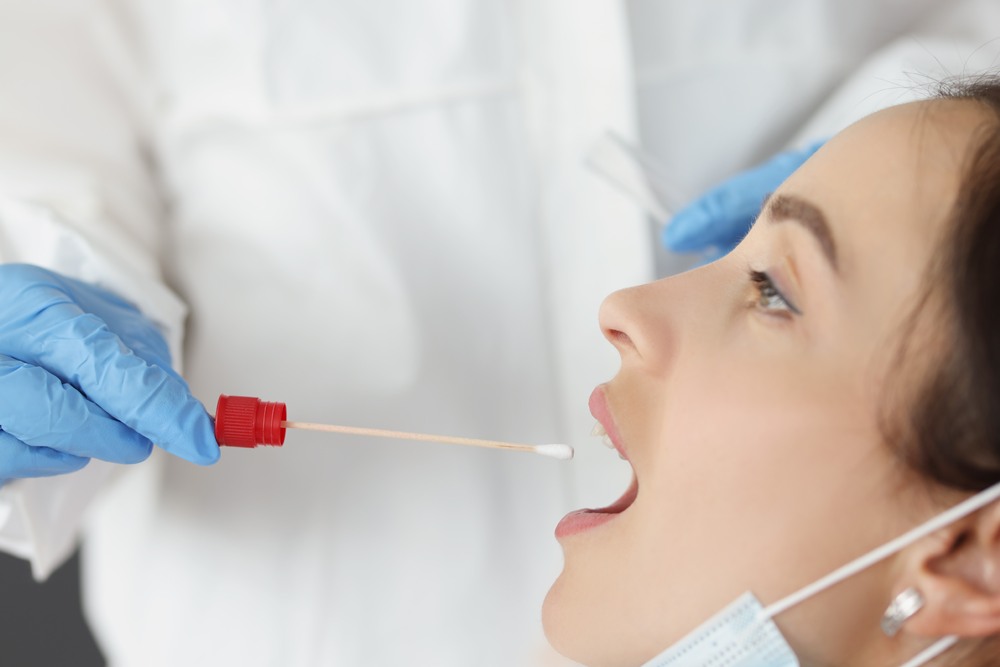
A UK trial is recruiting 5,000 women in England to test whether genetic screening for inherited cancer risk could be offered regardless of family history.
The PROTECT-C trial aims to establish whether wider access to genetic testing could identify women at increased risk, giving them the opportunity to take steps to prevent cancer or detect it earlier.
Funded by Yorkshire Cancer Research and led by Professor Ranjit Manchanda at Queen Mary University of London, the trial is now open to eligible participants across England.
Dr Kathryn Scott, chief executive of Yorkshire Cancer Research, said: “This critically important study could transform how we use genetic testing in healthcare. Too many women have an increased cancer risk without knowing it.”

An estimated 451,000 women in the UK carry inherited genetic variants linked to breast, ovarian, womb and bowel cancer, yet around 97 per cent remain unidentified.
According to Yorkshire Cancer Research, this is the first time this type of screening has been offered to the wider public rather than being restricted to people with a family history of cancer.
Around one in 20 cancers in women are caused by inherited genetic variants, changes in genes passed down through families that increase the risk of developing certain cancers.
These variants can be detected using an at-home saliva test.
NHS genetic testing for cancer is currently restricted to people who meet specific eligibility criteria, including those who have had certain cancers or have a strong family history of the disease.
Many people carrying inherited genetic variants do not meet these criteria, meaning opportunities to prevent or detect cancer early are being missed.
The trial was designed by the Centre for Cancer Screening, Prevention and Early Diagnosis at Queen Mary University of London with a potential nationwide rollout in mind.
A digital platform helps participants decide whether genetic testing is right for them, while home sample collection kits remove the need for GP or hospital resources to collect samples.
Participants found to be at increased risk will be offered personalised NHS care, including regular screening and, where appropriate, preventative medication or surgery.
Researchers will assess whether population-wide genetic screening is affordable and beneficial for the NHS, as well as its psychological impact on participants.
They will also examine the proportion of women who choose to undergo testing after receiving information and support.
Researchers believe the approach could also inform future genetic cancer screening programmes for men or help identify genes responsible for other chronic diseases.
Scott said population-wide genetic screening would require changes to how the NHS operates. If the evidence supports its effectiveness, the charity will call on decision-makers to prioritise cancer prevention.
Manchanda, a clinical researcher and surgeon specialising in gynaecological cancer, has spent 20 years researching cancer screening and prevention, helping to shape NHS policy.
He said: “Throughout my career, I’ve operated on women with gynaecological cancers who only discovered they carried an inherited genetic variant when life-changing surgery and highly intensive treatment was the only option. For many, the cancer was found too late to be cured.”
Manchanda said genetic testing could help people manage their cancer risk, prevent cancers and detect them earlier.
He added: “This study could help fundamentally change how we deliver cancer genetic testing in healthcare. This could prevent thousands more cancers than any current strategy, saving many lives.”
The long-term aim is to gather evidence to inform a wider rollout of genetic cancer testing for the general population.
A large proportion of the trial’s 5,000 participants will be recruited from Yorkshire because of funding from Yorkshire Cancer Research, England’s largest regional cancer charity.
The team is working with NHS DigiTrials, an initiative that uses NHS health records to identify potentially eligible participants, to reach people from different communities and backgrounds.
Invitations will be sent from January, giving recipients the opportunity to learn more about the trial before deciding whether to take part.
People in Yorkshire are more likely to die prematurely from cancer than in most other regions of England.
Researchers want to establish whether wider genetic screening could reduce these health inequalities by reaching people who might otherwise be unaware of genetic testing or unable to access it.
 Nearly a third of postpartum women report needing mental health care
Newsletter
Sign up for free weekly updates
The latest femtech news, research and investment, straight to your inbox.