



Nearly a third of postpartum women report needing mental health care
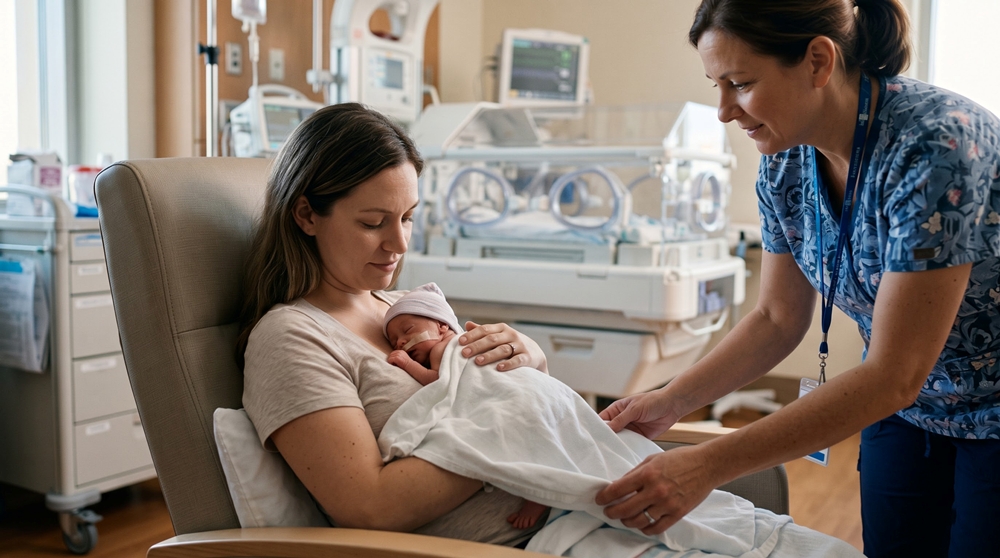
Nearly a third of women surveyed reported postpartum mental health needs, with practical barriers preventing some from accessing care.
The study found that 28.8 per cent of women reported needing mental health care after giving birth, a higher proportion than most estimates based on clinical screening or diagnoses.
Three-quarters of women unable to access the care they needed reported logistical barriers. These included difficulties taking time off work, finding affordable childcare or accessing information about available services.
Rebecca Gourevitch, lead author and assistant professor in the university’s Department of Health Policy and Management, said: “We found that the percentage of women who say they need mental health care is higher than most estimates of mood and anxiety disorders in women after giving birth, which are typically based on screening results or diagnoses.”
The research, led by the University of Maryland School of Public Health, analysed survey responses from more than 13,000 women, with data representative of postpartum women across 16 US states.
Researchers used data from the 2022 Pregnancy Risk Assessment and Monitoring System to examine women’s self-reported mental health needs, whether they received care and what prevented them from accessing it.
The findings suggest that asking women directly about their mental health needs could identify more people requiring support than relying solely on screening or formal diagnoses.
Previous studies using clinical screening and diagnoses have estimated that between 10 and 20 per cent of women experience postpartum mood and anxiety disorders, although rates vary depending on the population and data source.
Women covered by Medicaid, those without health insurance and Hispanic or Asian/Pacific Islander women were among those less likely to receive the mental health care they needed.
Gourevitch said: “Accessing mental health care after giving birth shouldn’t be a life-and-death issue.
“This study shows that in addition to current screening tools, it is also essential that women get the chance to report their own mental health needs.”
Mental health conditions were the leading cause of pregnancy-related deaths in the US, according to Centers for Disease Control and Prevention (CDC) data from 2017 to 2019.
Almost all these deaths are considered preventable through effective screening during and after childbirth and access to appropriate care.
Current federal and state policy efforts focus on improving access to insurance, reducing the cost of services and increasing screening.
However, Gourevitch argued that policies should also address the practical difficulties women face when seeking care.
“Three-quarters of women who couldn’t access the mental health care they needed said they faced logistical barriers.
“This suggests that we should invest more in the policies that remove those barriers, such as paid family leave, paid sick leave, affordable child care and telemedicine,” said Gourevitch.
“Focusing on women’s experience of their own mental health meant this survey identified women who may not meet clinical criteria of mental health disorders, or who may not have access to services to get diagnosed, but are still in need of care.”
Gourevitch warned that the proportion of women needing support could be higher than reported, as some may not recognise their symptoms.
Mental health stigma and negative experiences such as discrimination within healthcare services may also discourage women from reporting their needs.
Senior author Marie E. Thoma, associate professor in the School of Public Health’s Department of Family Science, said: “The biggest logistical barrier was not having time to get care, something every new mom can relate to.
“When you’re recovering from birth and caring for a newborn, your own care can be the first thing to go. This study helps pinpoint the barriers we can address to make mental health support fit into new moms’ lives.”
 Genetic study reveals clues to endometriosis biology
Newsletter
Sign up for free weekly updates
The latest femtech news, research and investment, straight to your inbox.