




Caregiving gap grows as women devote more years to ageing adults
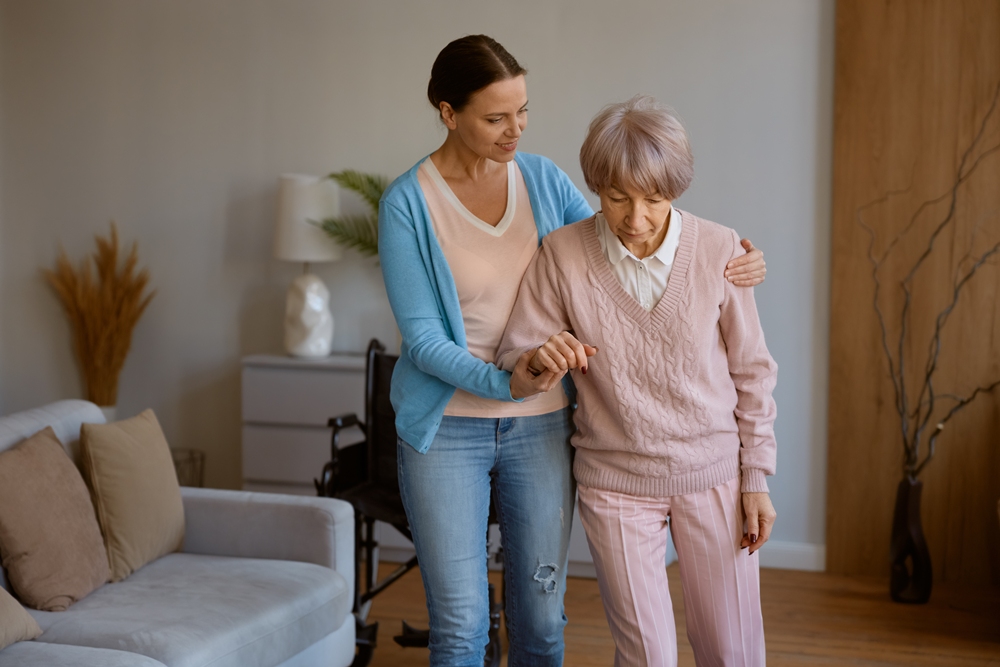
Women in the United States can expect to provide seven years of care over their lifetimes to ageing family members or friends—up from six in 2011, new research has revealed.
Men’s expected lifetime caregiving remained unchanged at four years between 2011 and 2023, widening the gender gap from two to three years, the University of Michigan study found.
The difference extends across several types of care and family relationships, although men and women spend a similar amount of time caring for a spouse or partner.
Vicki Freedman, research professor at the university’s Survey Research Center, said: “Given growing numbers of older adults without close kin and increasing care needs among those reaching later life, we may see these gaps between men and women continue to grow in the future.

“But future caregiving patterns will depend on many factors, including changes to families, the availability and affordability of paid care, and social norms that may influence who provides support.”
Researchers analysed nearly 8,500 responses to the National Study of Caregiving alongside federal population data.
They used the information to estimate how many years US adults aged 20 and older could expect to spend caring for older people over their lifetimes.
Rather than tracking individuals throughout their lives, the study combined data from different age groups to estimate lifetime caregiving based on current rates.
Caregiving included helping older adults with personal care, household chores, transport and medical tasks.
Freedman said: “This study uses a demographic technique to calculate how many years of caregiving to an older adult a man or woman can expect to provide over their lifetimes if current rates hold into the future.”
The analysis found that both men and women could expect to spend around 1.5 years caring for a husband, wife or partner.
The gap was greater for other family relationships. Women could expect to provide more than one additional year of care for a parent and several more months for a grandparent compared with men.
They could also expect to spend more than an extra year caring for extended family members and friends.
Women were expected to provide more years of each type of assistance examined, including bathing, dressing and transport.
Freedman and fellow researcher Crystal Yee To Ng found that the gap remained despite growing numbers of men taking on caregiving responsibilities.
The findings come as the number of Americans providing family care to older adults continues to rise.
The number of family caregivers supporting adults aged 65 and older increased from 18m in 2011 to more than 24m in recent years.
Researchers also pointed to the growing number of older Americans without close family members, which could increase demand for support beyond immediate family networks.
The estimates reflect the years of care adults could expect to provide if current rates continue, rather than the observed experiences of individuals over their entire lifetimes.
 Ethnic minorities less likely to have breast cancer diagnoses from routine screening - study
Newsletter
Sign up for free weekly updates
The latest femtech news, research and investment, straight to your inbox.




