




AI and VR could improve access to menopause therapy, researchers say
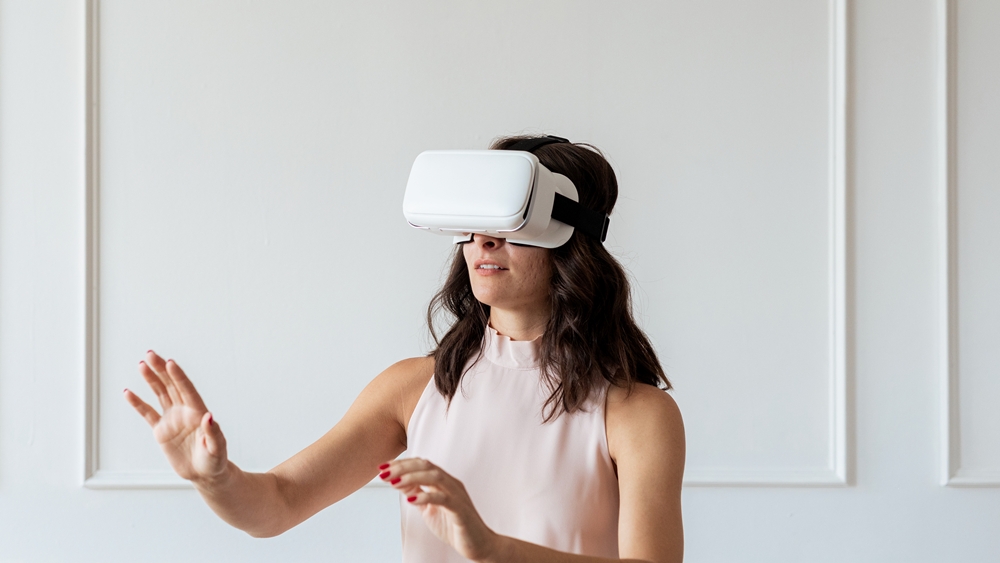
A new study suggests AI and VR could improve access to menopause therapy, although it has not shown whether the technology reduces symptoms.
The multicentre study explored using artificial intelligence (AI) and virtual reality (VR) to deliver cognitive behavioural therapy (CBT) and other non-drug treatments for menopause symptoms.
Researchers recruited women aged 45 to 60 who experienced more than 28 hot flushes a week and were not using hormone therapy.
Participants used MenoZen VR through a Meta Quest 3S headset, interacting with an AI-powered virtual avatar called Maia.

The avatar guided them through CBT, talk therapy, mindfulness and paced breathing exercises intended to help manage symptoms and their impact on daily life.
The qualitative findings, based on participants’ experiences and views, suggested strong interest in a personalised, menopause-specific programme.
Lead author Dr Karisma Suchak, from the Cedars-Sinai Center for Virtual Medicine and Health System Transformation, said the study demonstrated early feasibility and acceptability.
However, the findings do not establish whether MenoZen VR reduces hot flushes or other symptoms.
The small study focused on participants’ experiences rather than demonstrating clinical benefits. Larger studies are needed to determine whether the approach improves symptoms or quality of life.
CBT is a psychological therapy that helps people change patterns of thinking and behaviour. It has been shown to help manage menopause symptoms including hot flushes, insomnia, depression and sexual dysfunction.
Access to CBT remains limited, partly because women may struggle to find conveniently located providers.
Approximately 80 per cent of midlife women experience hot flushes and night sweats, collectively known as vasomotor symptoms. Other symptoms, including sleep disturbances, mood changes and cognitive difficulties, can also affect quality of life.
Hormone therapy remains an established treatment, although uptake is low. Data cited in the study showed that only 1.7 per cent of US women used it in 2023.
Researchers believe AI-enhanced virtual reality could help overcome barriers to non-drug treatments, including availability, cost and convenience.
Dr Stephanie Faubion, medical director of The Menopause Society and a study author, said: “Although larger studies are needed to determine clinical effectiveness, these findings suggest that innovative technologies, such as AI-enhanced virtual reality, may offer a promising way to expand access to cognitive behavioural therapy and other evidence-based interventions for women during the menopause transition.”
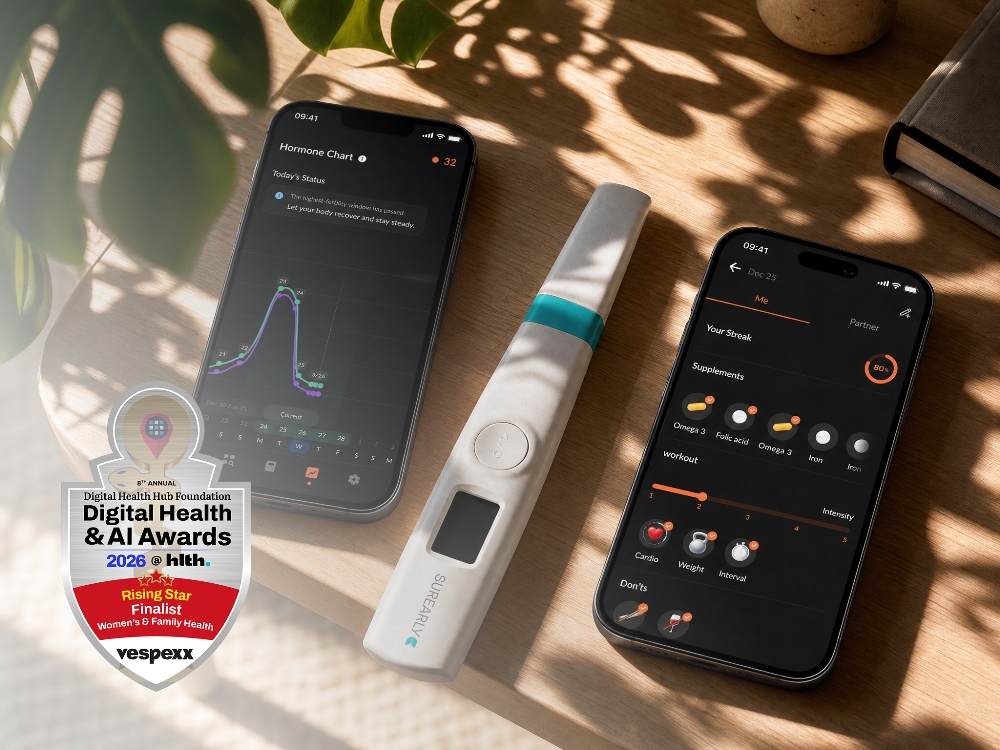 AI-powered preconception platform Soonr named finalist in digital health awards
Newsletter
Sign up for free weekly updates
The latest femtech news, research and investment, straight to your inbox.




