




GLP-1 prescriptions on rise among new mothers
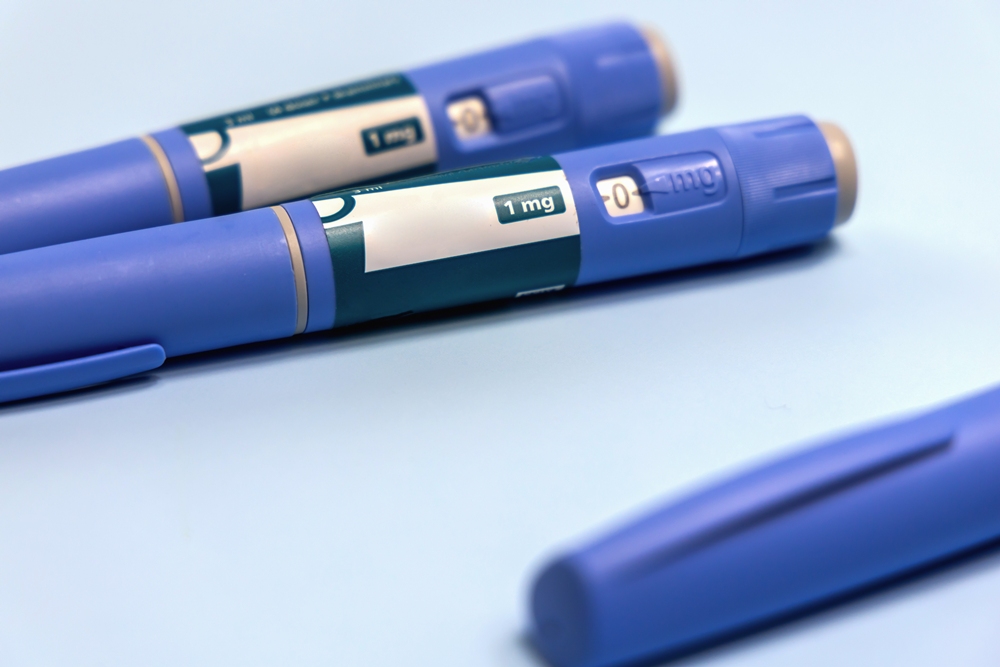
GLP-1 prescriptions among new mothers in the US rose sharply between 2018 and 2025, particularly among women with type 2 diabetes, new research has revealed.
Researchers analysed private insurance claims covering just over one million births and tracked new prescriptions started within six months of giving birth.
The proportion of postpartum women starting a GLP-1 medication rose from 0.08 per cent in the first half of 2018 to 1.9 per cent in the first quarter of 2025, a 24-fold increase.
The research was conducted by the USC Schaeffer Center for Health Policy & Economics and examined prescribing among women with type 2 diabetes, gestational diabetes, obesity or overweight, and those without a documented diagnosis.

Women with type 2 diabetes had the highest prescription rate. The proportion starting a GLP-1 after giving birth rose from 2.3 per cent to 16.9 per cent over the study period, equivalent to about one in six women in this group.
Among women with gestational diabetes, the proportion starting treatment increased from 0.4 per cent in mid-2021 to 2.7 per cent in the first quarter of 2025.
Gestational diabetes develops during pregnancy in women who did not previously have diabetes and affects about 5 to 9 per cent of pregnancies. It greatly increases the risk of developing type 2 diabetes.
Prescribing rose fastest in relative terms among women diagnosed as obese or overweight before pregnancy, from 0.4 per cent in the second half of 2021 to 3.9 per cent in the first quarter of 2025.
Since the second half of 2024, women with diagnosed obesity or overweight accounted for 40 per cent of new postpartum GLP-1 prescriptions.
A further 21 per cent of prescriptions were among women without a documented qualifying diagnosis before giving birth. Most received a diagnosis, usually obesity or overweight, before starting treatment.
Patients are advised to stop using GLP-1 medications during pregnancy. Most postpartum women who began treatment started at least three months after giving birth.
Lead author and Schaeffer scholar Sih-Ting Cai said: “Postpartum is a critical window for addressing metabolic risk after pregnancy, and we’re seeing GLP-1 use explode in this population.
“Because evidence on GLP-1 exposure during breastfeeding remains limited, rising postpartum initiation warrants further study.”
The overall rate at which new mothers started GLP-1 treatment in the US was similar to that reported among postpartum women in Denmark.
The analysis was limited to privately insured births and did not include mothers enrolled in Medicaid, which covers about 40 per cent of US births.

Newsletter
Sign up for free weekly updates
The latest femtech news, research and investment, straight to your inbox.




