News
New study accuses women’s health apps of sharing users’ data

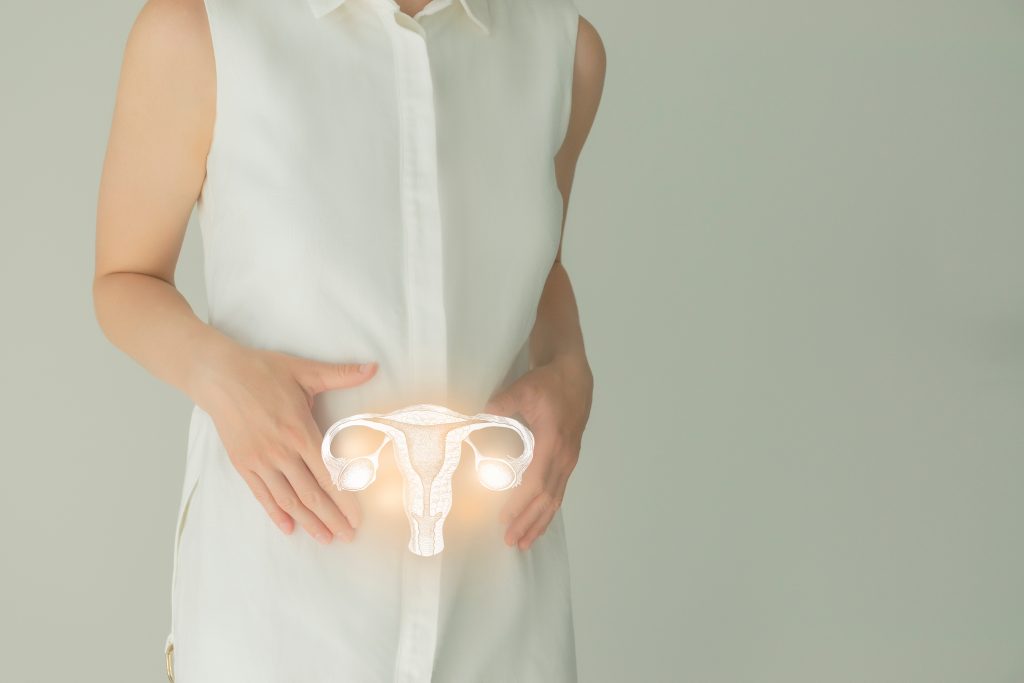
Researchers found that eight out of 10 of the most popular period tracking apps share personal data with third parties.
A report, conducted by the Organisation for the Review of Health and Care Apps (ORCHA), has analysed the privacy policies of 25 period tracker apps finding that 84 per cent of the apps allowed the sharing of personal and sensitive health data to third parties.
Of these, 68 per cent shared data for marketing purposes, 40 per cent for research and 40 per cent for improving developer services of the app itself.
Amongst these 25 apps only one of them explicitly asked users for permission to share their data while the other apps hid this in the terms and conditions, that nearly no one reads carefully.
Tim Andrews, COO of ORCHA, said: “it would be best practice for an app to have a ‘consent’ page that’s easily accessed from the main menu.
“Each individual permission could then be ticked or unticked at any time. So, a user wanting to guarantee privacy, could easily change their mind and untick the permission to share with third parties.”
The shared data could include details of sexual activity, contraception and when a user’s period started and stopped. Contact detail of users were also sold for marketing purposes.
This comes at an already difficult time after the Roe outcome, when women are already worried about their data being shared to law enforcements and government institutions.
Fatima Ahmed, ORCHA’s clinical lead for maternity and women’s health, said: “Period tracker apps have come into sharp focus for alarming reasons – but they are probably the tip of the iceberg when it comes to data security.
“And even app developers who promise to stop sharing names and addresses, for example, should be aware that people can be identified by and IP address.”

Insight
Early PET scan could chemo response in aggressive breast cancer – study
News
Femtech World reveals startup of the year shortlist

We are excited unveil the three finalists competing for one of the Femtech World Awards’ most coveted honours: the Startup of the Year Award, sponsored by Future Fertility.
This award celebrates an early-stage company making a bold impact in women’s health through innovation, vision and execution.
The winner will be announced at our virtual ceremony on 19 June, with the decision made by a representative from category sponsor Future Fertility.
Congratulations to the shortlist and thank you to everyone who entered or nominated.
Startup of the Year Shortlist

Hello Inside is the first women’s health AI company to turn daily metabolic signals into outcomes women feel and healthcare systems reimburse.
Women’s health has long been under-researched, and current AI benchmarks fail on women’s health questions roughly sixty percent of the time.
Hello Inside built the architecture to close that gap.
Across four years and 12,000+ validated metabolic profiles, three in four women improve at least one symptom within ninety days.
They lose four kilograms in three months, moving from overweight into the healthy range. In a clinical study with Alisa Vitti’s Flo Living, 91.9 per cent reduced PMS burden within sixty days.


U-Ploid is an early-stage biotechnology company tackling one of the most fundamental challenges in fertility care: the sharp, age-related decline in egg quality that limits outcomes across IVF and egg freezing.
While much of the field focuses on improving assessment and selection, U-Ploid is developing a first-in-class therapeutic approach designed to improve egg quality itself by addressing the biological causes of age-related chromosomal errors.
Supported by strong preclinical evidence and now advancing into human studies, U-Ploid combines scientific rigour, regulatory discipline and long-term vision to help redefine what is possible in fertility care.
News
Gestational diabetes increases risk of type 2 diabetes – even at normal weight, study finds

Gestational diabetes is a strong risk factor for future type 2 diabetes, even in women with normal pre-pregnancy weight, according to a study at the University of Gothenburg.
The researchers call for earlier testing and better follow-up.
“Our results show that gestational diabetes functions as a kind of stress test for the body’s ability to manage blood sugar, and identifies women with a greatly increased risk of future type 2 diabetes”, said Jon Edqvist, PhD and affiliated to research at the University of Gothenburg, and operating room nurse at Sahlgrenska University Hospital.
Gestational diabetes is a special type of diabetes that can affect pregnant women.
The condition is defined as elevated blood sugar levels, without previously known diabetes. Treatment involves self-monitoring of blood sugar, advice on lifestyle habits and, if necessary, medication.
Identifying gestational diabetes is important because the disease increases the risk of complications such as preeclampsia, the need for a cesarean section and high birth weight for the baby.
Those who have had gestational diabetes are also at higher risk of later developing type 2 diabetes.
In the current study, published in eClinicalMedicine, researchers now show that gestational diabetes is a strong indicator of future risk of developing type 2 diabetes, even in women with normal weight before pregnancy.
Elevated risk even with normal weight
The study is based on data from the Medical Birth Registry on just over 1.15 million first-time mothers in Sweden, who gave birth between 1987 and 2019. 16,870 women with confirmed gestational diabetes were compared with age-matched women without the diagnosis. The median follow-up period was nine years.
The results show that women with a BMI of 35 and above, i.e. severe obesity, had an almost tenfold increased risk of developing gestational diabetes compared to women with normal weight.
The risk of subsequent type 2 diabetes also increased with higher BMI, but it was significantly increased even with normal weight, which the researchers describe as particularly worrying.
More follow-up and more studies
The researchers behind the study welcome the recently updated recommendations on gestational diabetes in Sweden, where a higher proportion of pregnant women at increased risk are expected to be offered testing earlier in pregnancy, and if necessary, interventions.
“Diagnostics and care of gestational diabetes have looked very different in different parts of the country,” said Annika Rosengren, professor at the University of Gothenburg.
“There is a need for both improved follow-up after gestational diabetes, and more studies that investigate how such follow-up affects future health and prognosis”
News4 weeks agoWomen’s digital health market set to reach US$5.28 billion in 2026 – report
Insight4 weeks agoWhy the UK’s fertility rate keeps falling – and what it means if you’re trying now
Wellness4 weeks agoWomen’s HealthX unveils Northwell Health, Corewell Health, Biogen & more to headline Chronic Disease stage
Opinion3 weeks agoWhat Maternal Mental Health Month reveals about where postpartum support actually breaks down
Fertility4 weeks agoToxins and climate harms having ‘alarming’ effect on fertility, research warns
News3 weeks agoNIH Grant terminations disproportionately impact minority scientists, research finds
Adolescent health2 weeks agoWUKA brings Period-Positive Pool Party to London Aquatics Centre to keep girls swimming through puberty
Fertility4 weeks agoResearcher explores weight loss jab impact on PCOS


2 Comments