




pain conditions
Blood test shows promise in endometriosis

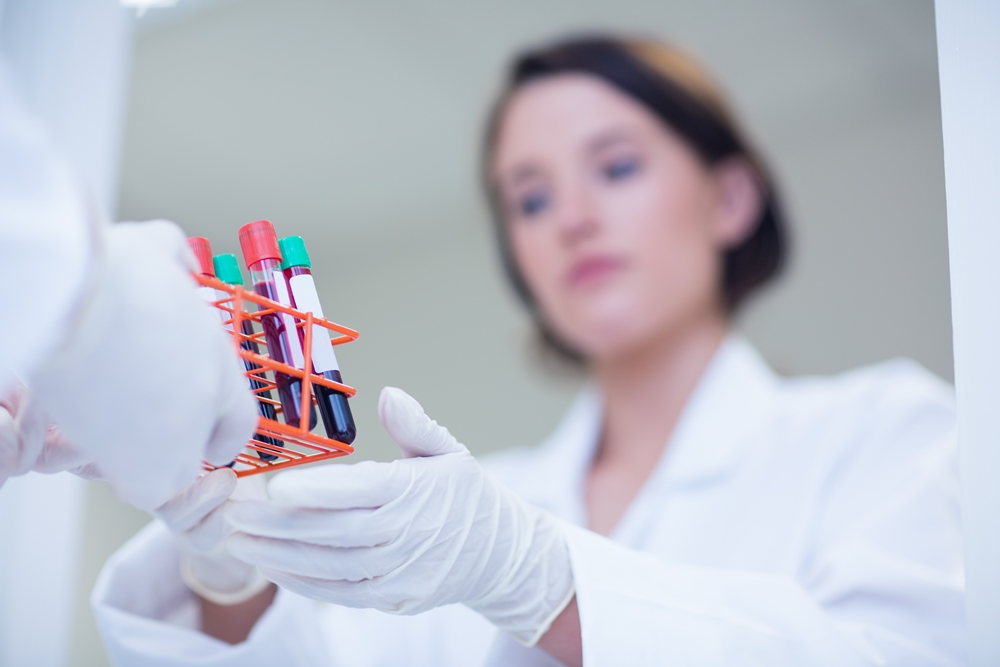
A blood test for endometriosis showed clinical promise after detecting cases missed by standard imaging, according to a clinical validation study.
HerAnova Lifesciences has published a peer-reviewed clinical validation study of its HerResolve blood test for endometriosis in the Journal of Minimally Invasive Gynecology, the official journal of the AAGL.
The multi-centre study enrolled 298 women of reproductive age across 11 clinical sites in the US, Europe and Hong Kong.

The study population was 75.8 per cent white, 9.7 per cent Black, 9.1 per cent Asian and 5 per cent non-white Hispanic participants.
It found the test identified 61.5 per cent of histologically confirmed endometriosis cases that were missed by transvaginal ultrasound and or MRI scans.
All results were validated against the gold standard of laparoscopic findings with histopathological tissue confirmation.
The headline numbers were an AUC of 0.944, specificity of 97.5 per cent and sensitivity of 80 per cent. The high specificity was a deliberate design choice, with the model optimised to minimise false positives and reduce unnecessary invasive procedures. Performance was also consistent across menstrual phases.
The blood test, called HerResolve, is a multi-omic blood-based assay that combines three serum microRNA biomarkers, three protein biomarkers, one steroid hormone, patient age and BMI into a machine learning algorithm to detect endometriosis.
Farideh Bischoff, chief medical officer at HerAnova and corresponding author of the study, said: “Endometriosis has long been one of the most underdiagnosed and undertreated conditions in women’s health.
“HerResolve was designed to work alongside existing imaging and clinical evaluation, filling a critical gap in non-invasive disease detection.”
The test is currently available at select IVF and reproductive medicine centres across the US and is positioned as a triage tool, helping identify patients who may benefit from further evaluation or empirical treatment rather than replacing surgery entirely, but potentially reserving it for treatment rather than diagnosis.
A prospective validation study is underway in geographically and ethnically diverse populations, and HerAnova is also pursuing longitudinal analyses to evaluate whether the assay can monitor treatment response over time.
Endometriosis affects approximately one in 10 women of reproductive age, yet the average diagnostic delay remains six to 11 years.
The current gold standard, laparoscopic surgery, is invasive, dependent on surgeon skill and not without risk, making a reliable non-invasive alternative one of the most sought-after tools in women’s health diagnostics.













Two endometriosis tests could cut years from diagnosis after NICE backed their temporary NHS use in England and Wales.
EndoSure and Endotest have been recommended in draft guidance, with one able to provide results in 45 minutes.
Endometriosis affects around one in 10 women of reproductive age. It occurs when tissue similar to the womb lining grows elsewhere, including around the ovaries and fallopian tubes.

Symptoms can include painful periods, painful bowel movements, pain when urinating and pain during or after sex.
Diagnosis can involve ultrasound scans, magnetic resonance imaging (MRI) or laparoscopy. A laparoscopy is keyhole surgery in which a camera is inserted through a small cut in the abdomen.
Despite the effect the condition can have on physical and mental health, women can wait years for a diagnosis.
The average wait in the UK is nine years and four months, rising to 11 years for women from ethnically diverse communities, according to the National Institute for Health and Care Excellence (NICE).
Long waits can increase suffering, prolong poor health and allow the condition to progress, making it more difficult to treat.
Dr Anastasia Chalkidou, NICE’s healthtech programme director, said: “A diagnosis of endometriosis can for some women take the best part of a decade, with the UK average standing at nine years and four months, and rising to 11 years for those from ethnically diverse communities.”
She said delays could lead to chronic pain affecting daily life, relationships and work.
She added: “These technologies have the potential to change that by giving primary care professionals better non-invasive tools to identify endometriosis earlier, allowing earlier and better treatment.
“Our draft guidance reflects our commitment to getting promising innovations to patients quickly, while making sure the evidence to support their wider use is built in a rigorous way.”
Endotest examines a saliva sample for microRNAs, tiny biological markers that can indicate the presence of endometriosis.
The sample is sent to a laboratory and the result returned to a GP or another healthcare professional to inform the next steps in diagnosis and care.
EndoSure uses sensor pads placed on the abdomen to measure electrical signals in the gut.
Women must fast for between six and eight hours before the 45-minute test. During the procedure, they drink water until they feel full, helping the device record gut activity accurately.
Results are available as soon as the test is complete.
The draft recommendation, published on Tuesday, approves both technologies for three years while further evidence is collected on how well they work.
NICE will then decide whether to approve them permanently for NHS use.
NICE said a third test, DotEndo, needs more research before it can be recommended.
EndoSure and Endotest are not designed to diagnose the condition on their own.
They are intended for women whose symptoms still suggest endometriosis after a normal clinical examination and negative or inconclusive imaging results, or when imaging has not been carried out.
Dr Gail Busby, a consultant gynaecologist at Manchester University NHS Foundation Trust, said: “These tests are a gamechanger because they give us answers much earlier, without the need for invasive surgery, and that means we can start the right treatment sooner.
“An earlier diagnosis doesn’t just change one person’s life, it frees up appointments and surgical slots for everyone waiting for care.”
Emma Cox, of Endometriosis UK, welcomed the tests.
She said their introduction should be supported by education for GPs and nurses to ensure prompt access and prevent symptoms from going unrecognised.

Vipoglanstat has reached the halfway point for patient recruitment in a phase 2 endometriosis trial.
Gesynta Pharma said 50 per cent of the target of 190 patients have been randomised in the NOVA trial.
The study is evaluating vipoglanstat, described by the company as a novel, non-hormonal, non-opioid drug candidate for the treatment of endometriosis.

Endometriosis is a chronic inflammatory condition where tissue similar to the lining of the womb grows outside the uterus, often causing severe pain and, in some cases, infertility.
The condition affects more than 10 per cent of women of reproductive age.
Top-line results from the study are expected in 2027.
The NOVA trial is a randomised, double-blind, placebo-controlled phase 2 proof-of-concept study evaluating vipoglanstat in women with endometriosis across Europe.
This means patients are assigned to treatment groups by chance, neither participants nor researchers know who receives the drug or placebo during the study, and the results are intended to show whether the treatment has enough evidence to move into later testing.
The trial is assessing the efficacy and safety of two dose levels of vipoglanstat and will provide information for the design of a subsequent phase 3 programme.
Eva Johnsson, chief medical officer and vice president of clinical development at Gesynta Pharma, said:
“Reaching the halfway point in patient recruitment marks a major milestone for our Phase 2 clinical trial in endometriosis. Achieved well ahead of schedule, the rapid progress reflects strong participation from clinical sites and great interest among eligible participants. This momentum highlights the urgent need for better treatments.
“We are now eager to complete enrolment and proceed to the next phase of evaluation.”
Patric Stenberg, chief executive of Gesynta Pharma, said:
“The NOVA trial is a significant advancement in a field with few ongoing clinical trials, and a key step toward establishing a strong foundation for a future Phase 3 programme for vipoglanstat.
“Given the immense medical need, our focus remains on delivering a treatment that is highly effective, safe, and well-tolerated.”
Vipoglanstat is an orally active drug candidate designed to reduce pain and inflammation by targeting mPGES-1, an enzyme that produces prostaglandin E2, a substance linked to inflammation in endometriotic lesions.
A preclinical proof-of-concept study in an advanced endometriosis model found that vipoglanstat significantly reduced pain-related behaviours and endometriotic lesion burden.
Gesynta said previous clinical studies have supported the drug candidate’s safety, tolerability and pharmacodynamic effects in humans. Pharmacodynamic effects refer to how a drug acts in the body.
NOVA stands for the Non-hormonal Option, a Vipoglanstat Assessment trial.
Endometriosis commonly presents with severe period pain, known as dysmenorrhoea, pain between periods, pain during sexual intercourse, gastrointestinal symptoms and infertility.
Current management is typically limited to painkillers, hormonal therapies and surgery.
Despite its prevalence, Gesynta said endometriosis remains a critically underserved area of women’s health.
The company said the disease is significantly underdiagnosed and undertreated, with few new treatment options available to patients.
Approximately 190 patients aged 18 to 45 will receive vipoglanstat or placebo over four menstrual cycles.
The primary objective is to evaluate the effect of vipoglanstat on endometriosis-related pain during non-menstrual days.
Secondary objectives include assessing the effect on menstrual pain, known as dysmenorrhoea, pain during sexual intercourse, known as dyspareunia, use of opioid rescue medication and quality-of-life measures.
Changes in endometriotic lesions, areas of tissue linked to the condition, will also be explored using MRI scans.
Gesynta Pharma said its research on targeting mPGES-1 began at Karolinska Institutet in Sweden.
The company said a second drug candidate, GS-073, is ready to enter clinical phase 1 for the treatment of chronic inflammatory pain.
Gesynta Pharma’s shareholders include Hadean Ventures, Industrifonden, Innovestor Life Science, Linc, HealthCap, XGen Venture and other specialist investors.
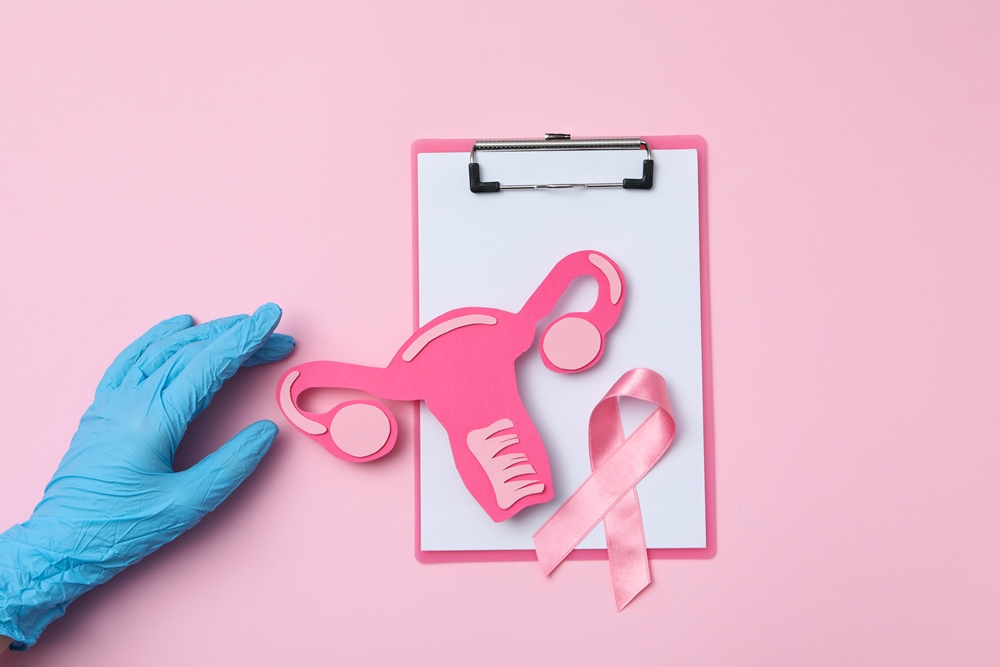
A non-profit has launched an endometriosis documentary featuring Amy Schumer and Marilyn Monroe as it pushes for changes in how the condition is treated and understood.
The Endometriosis Collective has launched to change how endometriosis is researched, treated and understood, starting with a documentary featuring stories from people including Amy Schumer and Marilyn Monroe.
The feature-length documentary, “End of the Cycle”, will premiere in New York on Tuesday, and The Endometriosis Collective is making the film free to stream online.
Schumer, a comedian, writer and actor, has previously spoken of how endometriosis left her “on the floor in pain, vomiting from the pain, the pain that nobody can see.”
Schumer is one of several celebrities featured in the documentary. Other contributors include dancer Julianne Hough, Olympic medallist Brittany Brown and actors Janel Parrish and Folake Olowofoyeku.
The Endometriosis Collective timed the documentary premiere to coincide with the 100th anniversary of Marilyn Monroe’s birth.
Monroe, who died in 1962, starred in films such as “Some Like It Hot” and “Gentlemen Prefer Blondes.”
According to a biography published in 1985, Monroe’s endometriosis was so severe that it destroyed her marriages, her wish for children, her career and ultimately her life.
The Endometriosis Collective said the documentary shares newly uncovered information about Monroe’s experience with endometriosis.
The non-profit said the information connects Monroe’s story to the experiences of women across generations, highlighting how far awareness, research and care still have to go.
A representative of the Marilyn Monroe Estate said: “By sharing this part of her story through ‘End of the Cycle,’ we hope to honour her legacy in a way that brings visibility to endometriosis, encourages more open dialogue and helps inspire the research needed to create change.”
As part of the premiere, The Endometriosis Collective is holding a panel discussion.
Schumer, Brown and Olowofoyeku, the documentary’s co-directors Sammy Jaye and Soraya Simi, and medical experts are due to be part of the premiere.
AbbVie’s Orilissa and Sumitomo Pharma’s Myfembree are among the approved drugs for endometriosis pain.
Hough, one of the participants in the documentary, starred in an Orilissa campaign in 2017.











 Entrepreneur2 weeks ago
Fertility startup American Baby Company secures US$4m

 Cancer2 weeks ago
AstraZeneca drug approved for breast cancer in EU

 Insight2 weeks ago
Natural Cycles receives sixth FDA clearance for fertility algorithm

 Wellness5 days ago
Cancer patient receives ‘landmark’ treatment in world-first

 Hormonal health2 weeks ago
Type 2 diabetes rising among young women, experts warn

 Insight2 weeks ago
Experimental treatment significantly slows progression of fatal brain disease in women, study finds

 Sponsored Content1 week ago
The room is filling up at WHW Europe 2026 with super early bird pricing ending this Friday

 Insight1 week ago
Johnson & Johnson offers to pay US$5.5bn to settle talc cancer lawsuits