




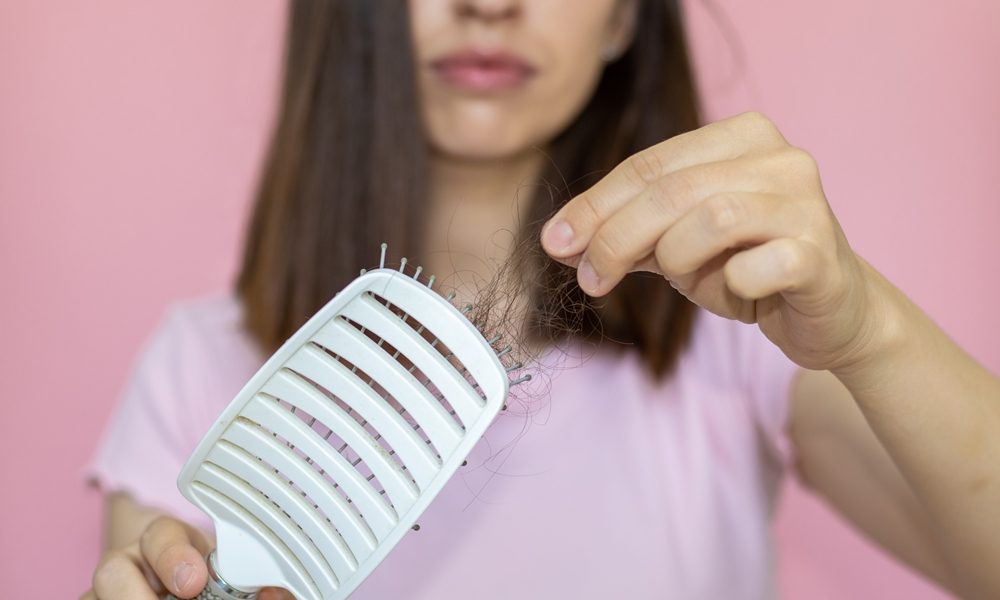
For many women, hair is often tied to identity and confidence. When more and more strands start to appear on a hairbrush or in the shower drain, it can feel unsettling. While genetics and hormones are frequent culprits, the role of emotional and physical pressure is a significant factor that often goes overlooked.
Understanding the connection between your mental well-being and your scalp health is a vital step toward finding a solution. This article will explore how modern life affects hair density and the medical options available to support regrowth for women all around the UK.
The Link Between Stress and Thinning
Scientific research suggests that high levels of cortisol, the body’s primary stress hormone, might disrupt the natural function of hair follicles. When you experience a period of intense pressure, your body may shift its focus away from non-essential functions like hair production to prioritise vital organs. This can lead to various types of shedding that affect women of all ages.

The most common condition associated with this shift is telogen effluvium. In this state, a large number of hairs are pushed prematurely into a resting phase. After a few months, these hairs fall out simultaneously, leading to noticeable thinning across the entire scalp. While this is often temporary, it requires a calm and patient approach to management.
Types of Hair Loss Triggered by Pressure
Not all hair loss looks the same. Aside from general thinning, some women might experience alopecia areata. This is an autoimmune response where the body’s immune system attacks the hair follicles, often triggered by periods of extreme emotional or physical fatigue. It typically results in patchy loss rather than a general reduction in volume.
Another condition is trichotillomania, which involves an irresistible urge to pull out hair from the scalp or eyebrows as a way of coping with negative feelings. Recognising these patterns early is essential for seeking the correct medical or psychological support. Knowing the specific cause helps in choosing a path that addresses both the symptoms and the underlying triggers.
Professional Support and Treatment Options
If you notice persistent changes in your hair density, seeking expert advice is the best course of action. Clinical settings like those at Treatment Rooms London provide medically-led environments where professionals can assess the scalp and determine if the loss is temporary or requires intervention. Always consult with a doctor or healthcare professional before starting any new medical treatments.
Options for recovery vary based on the severity of the condition. For those with significant or permanent thinning, surgeons might suggest a hair transplant. These specialists can create personalised hair transplant plans to restore volume in specific areas. While surgery is a major step, many women find that it offers a long-term solution to restored confidence.
Non-Surgical Paths to Recovery
Surgery isn’t the only route for those experiencing stress-related thinning. Many clinics offer non-surgical hair loss treatments that aim to stimulate the follicles and improve scalp health. These may include topical applications or light-based therapies designed to encourage the hair to return to its growing phase. Low-level laser therapy might be used to stimulate cellular activity while prescription medications might help stabilise shedding.
Additionally, nutritional supplements can support the body during recovery and specific scalp treatments may ensure an optimal environment for new growth. Improving your lifestyle also plays a part in the healing process. Incorporating regular exercise, better sleep, and mindfulness can help lower cortisol levels. By addressing the root cause of the pressure, you give your body the best chance to resume its normal hair growth cycle naturally.
The Timeline for New Growth
Patience is a requirement when dealing with hair recovery. The hair growth cycle is slow, and it often takes three to four months before any new sprouts become visible. It’s important to stay consistent with any chosen treatment and avoid checking the mirror for daily changes, as this can increase anxiety.
Final results from clinical interventions or lifestyle changes often take between 12 and 18 months to fully manifest. During this time, the hair will gradually thicken and gain strength. Maintaining a supportive routine and keeping in touch with medical experts ensures that you stay on the right track toward your goals.
Closing Thoughts
Dealing with hair loss is a journey that involves both physical care and emotional resilience. By identifying the triggers and exploring professional medical options, women can take control of their hair health. Remember that most stress-induced thinning is manageable with the right expertise and a bit of time.


Newsletter
Sign up for free weekly updates
The latest femtech news, research and investment, straight to your inbox.




