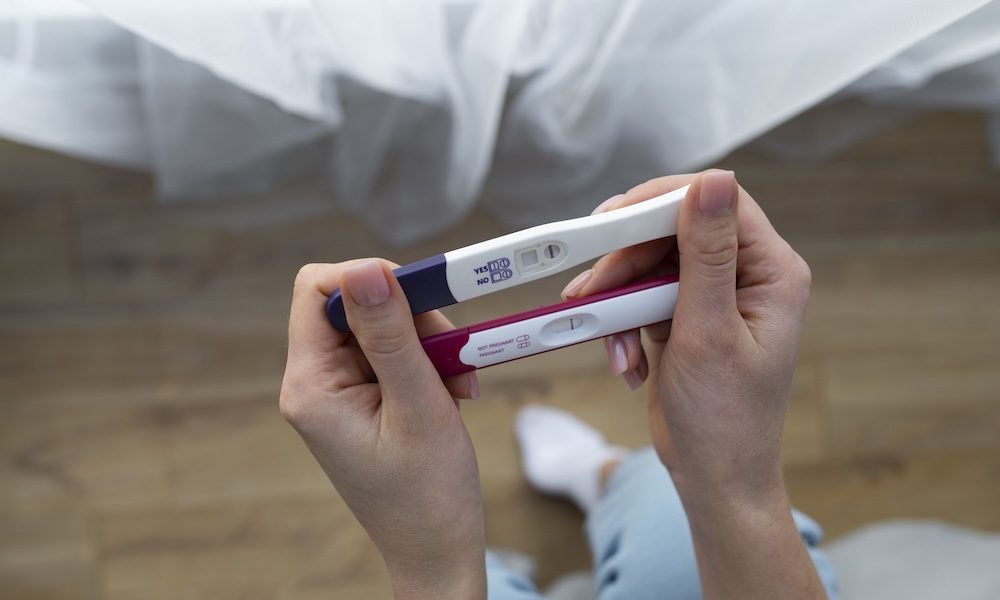
China’s birth rate has hit a record low in 2025, deepening a demographic crisis.
Births dropped to 5.6 per 1,000 people in 2025, down from 6.4 in 2023, the lowest on record, according to Wind Information data dating to the 1950s.
About 7.9 million babies were born last year, sharply fewer than 9.5 million a year before, statistics bureau data showed on Monday, despite subsidies and longer parental leave.
Even after easing the one-child policy nearly a decade ago, the birth rate kept falling, except for a brief spike in 2024, when it climbed to 6.77 per 1,000 people.
Yue Su, principal economist at Economist Intelligence Unit, said: “The pace of the decline is striking, particularly in the absence of major shocks.
She added that any boost from fertility support has faded, while many young people are delaying marriage and childbearing due to economic pressures and tougher workplace competition.
Policymakers have offered cash rewards and tax breaks for households with children under age three.
Beijing also extended maternity leave to 158 days, from 98 days in 2024.
China faces a looming population crunch as its elderly cohort grows.
The share of people aged 60 and above rose to 23 per cent in 2025, up from 22 per cent in 2024.
The population fell for a fourth year, down 3.4 million to 1.405 billion last year, the statistics bureau said.
Economists warn that a shrinking workforce and an ageing population pose major risks, including pressure on pensions and the prospect of higher social security contributions that could squeeze incomes.
Ms Su said: “A shrinking population implies a smaller consumer base in the future, increasing the risk of wider supply-demand imbalances.”
She called for a more forceful policy response on fertility.
World Bank data showed the fertility rate, defined as births per woman, fell to 1 in 2023, the latest year available, below the global average of 2.2.