




US incineration of contraceptives denies 1.4m African women and girls lifesaving care, NGO says
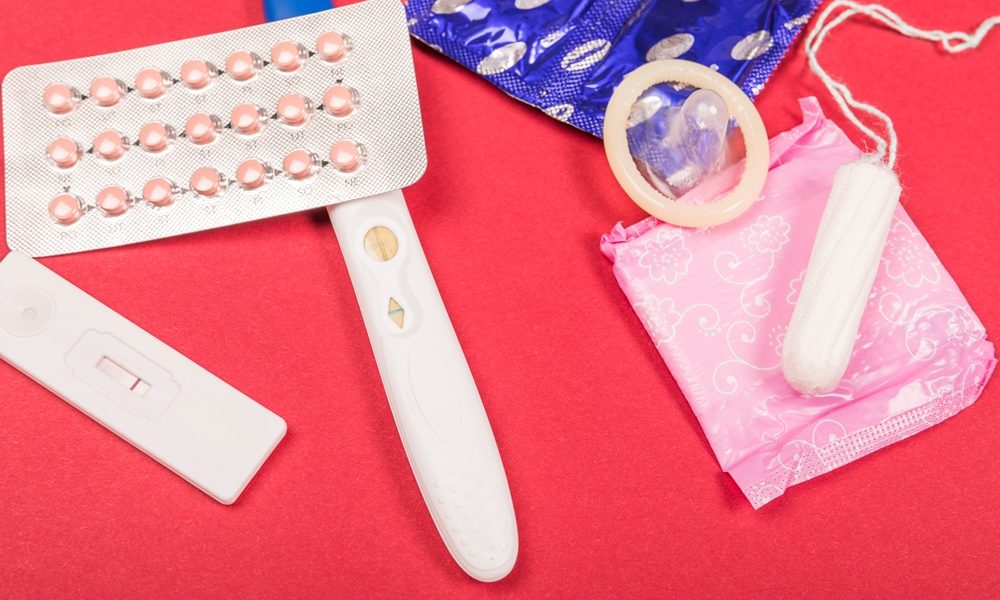
The US decision to incinerate US$9.7m worth of contraceptives is expected to result in 174,000 unintended pregnancies and 56,000 unsafe abortions across five African countries.
The medical supplies, many of which were not due to expire until between 2027 and 2029, would have supported more than 1.4 million women and girls in the Democratic Republic of Congo, Kenya, Tanzania, Zambia and Mali.
The products had already been manufactured, packaged and prepared for delivery. Around 77 per cent were earmarked for distribution in the five African nations.

The International Planned Parenthood Federation (IPPF), a global healthcare provider and advocate for sexual and reproductive rights, offered to take the contraceptives for redistribution at no cost to US taxpayers. The offer was declined.

IPPF said the decision would deny women and girls in the affected countries access to lifesaving care.
Tanzania will be hardest hit, losing more than 1 million injectable doses and 365,100 implants – small devices inserted under the skin that release hormones to prevent pregnancy.
This amounts to 28 per cent of the country’s total annual contraceptive need.
Dr Bakari, project coordinator at Umati, IPPF’s member association in Tanzania, said: “We are facing a major challenge.
“The impact of the USAID funding cuts has already significantly affected the provision of sexual and reproductive health services in Tanzania, leading to a shortage of contraceptive commodities, especially implants.
“This shortage has directly impacted clients’ choices regarding family planning uptake.”
In Mali, women will lose access to 1.2 million oral contraceptive pills and 95,800 implants, nearly one-quarter of the country’s annual requirement.
In Zambia, 48,400 implants and 295,000 injectable doses will no longer be available. In Kenya, 108,000 women will go without contraceptive implants.
Marie Evelyne Petrus-Barry, IPPF’s Africa regional director, called the move “appalling and extremely wasteful”.
She said: “These lifesaving medical supplies were destined to countries where access to reproductive care is already limited, and in some cases, part of a broader humanitarian response, such as in the DRC.
“The choice to incinerate them is unjustifiable.”
In Kenya, the cuts compound an already strained system.
Nelly Munyasia, executive director of the Reproductive Health Network in Kenya, said stocks of long-term contraceptives had already run out, and warned of further consequences.
She said: “There is a 46 per cent funding gap in Kenya’s national family planning programme,.
“These systemic setbacks come at a time when unmet need for contraception remains high. Nearly one in five girls aged 15 to 19 are already pregnant or has given birth.
“Unsafe abortions remain among the five leading causes of maternal deaths in Kenya.”
Munyasia also warned that health workers’ skills are being eroded and said a lack of contraceptive access would increase maternal deaths as more women seek unsafe abortions.
While Kenya’s 2010 constitution allows abortion when a pregnant person’s life or health is at risk, the 1963 penal code still criminalises the procedure.
As a result, healthcare providers often avoid offering abortion care, even in emergencies.
A US state department spokesperson confirmed last month that the decision to destroy the supplies had been authorised.
Reports indicated the products were to be incinerated in France, prompting the French government to say it was “following the situation closely” following objections from rights and family planning groups.
The state department said the contraceptives could not be sold or donated to “eligible buyers” due to US legal restrictions, which prohibit foreign aid to organisations that provide abortion services, counsel on abortion, or advocate for abortion rights overseas.


Newsletter
Sign up for free weekly updates
The latest femtech news, research and investment, straight to your inbox.




