



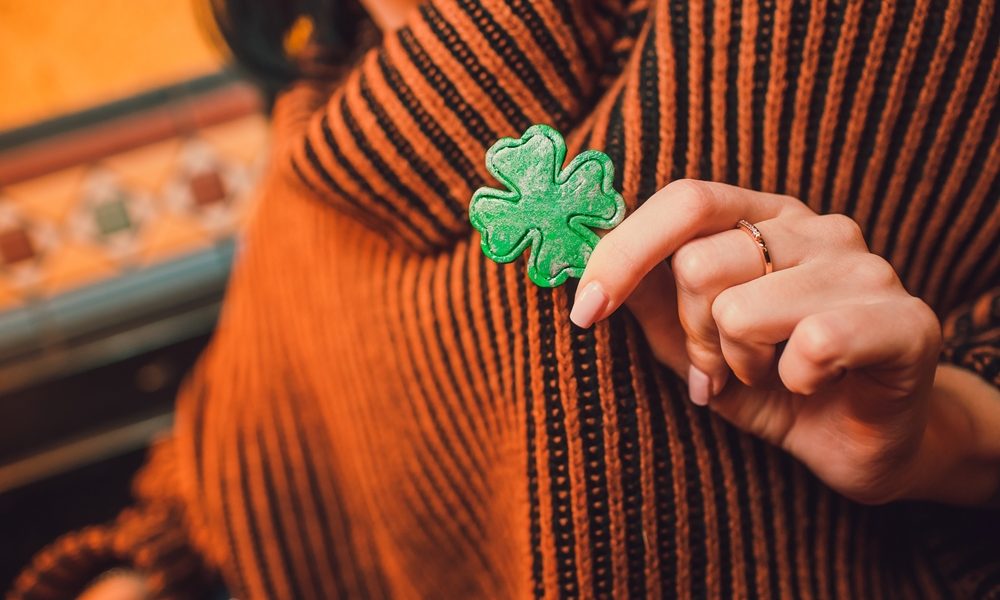
Good fortune and superstitions have both intrigued mankind for thousands of years and changed how we think and live on a daily basis. These superstitions influence our behaviour even though there may not necessarily be any scientific evidence backing them up. Learning about the science and psychology of luck helps explain why superstitions continue to hold sway around the world.
Why Do We Believe in Luck?
It is human nature to look for signs and patterns in random events. This predisposition, called agency detection, developed as a way to help our ancestors survive by spotting threats or opportunities in their environment. But it can also make us perceive connections where none exist, giving way to beliefs in luck and superstitions.
While these beliefs offer comfort and a sense of control in an uncertain world, the underlying mechanics of true randomness, particularly in games of chance, are often overlooked. For instance, understanding the probability models used in online lotteries reveals that outcomes are governed by strict mathematical principles, entirely independent of human wishes or rituals.

By believing that things happen for a reason, we feel more control in an uncertain world, and we may cope better with doubts, fears, and anxieties; these beliefs provide us with more confidence in the face of the unknown.
The Importance of Culture and Tradition
Superstition runs deep in cultures and is handed down from generation to generation. Every culture has its lucky symbols and its own good luck charms. In Serbia, people believe that spilling water behind someone can bring good luck, even before an exam or interview. People in Ireland visit the Blarney Stone to get eloquence and good luck. These traditions demonstrate how cultural values and social norms significantly contribute to the ongoing popularity of lottery games and other games of chance, where people believe that luck plays a crucial role.
Strange Good Luck Rituals from Around the World
Around the world, people practice some strange rituals. People throw broken dishes at friends’ houses in Denmark on New Year’s Eve for good luck. In Spain, people eat 12 grapes at the stroke of midnight, one for each month, to have good luck in the year ahead. In casinos, people blow on dice or wear red clothing to bring good luck, as cultural superstitions merge with gambling rituals. You’ve heard of these strange good luck rituals that people do to influence an outcome that they cannot control—they’re actually all about the symbolic power of action.
How Superstitions Can Affect Decision Making
Believing in luck and superstitions can influence behaviour and performance. Superstitions work like psychological placebos, enhancing confidence and focus that can lead to better results in certain instances. So, superstitions are of no relevance to results; for the vast majority of events, chance plays the major role in determining what happens. But the emotional certainty of superstitions, the comfort and hope they give, continues to fuel them in our everyday life.
The popularity of the lottery persists
So, the science of luck and superstitions is ultimately a tangled-up combination of psychology, culture, and human nature. Superstitions do not have a scientific basis, but they serve crucial emotional and social purposes. From strange good luck rituals to cultural traditions—such practices continue to influence our everyday lives as they mix tradition with a human desire to influence our unpredictable world.


Newsletter
Sign up for free weekly updates
The latest femtech news, research and investment, straight to your inbox.